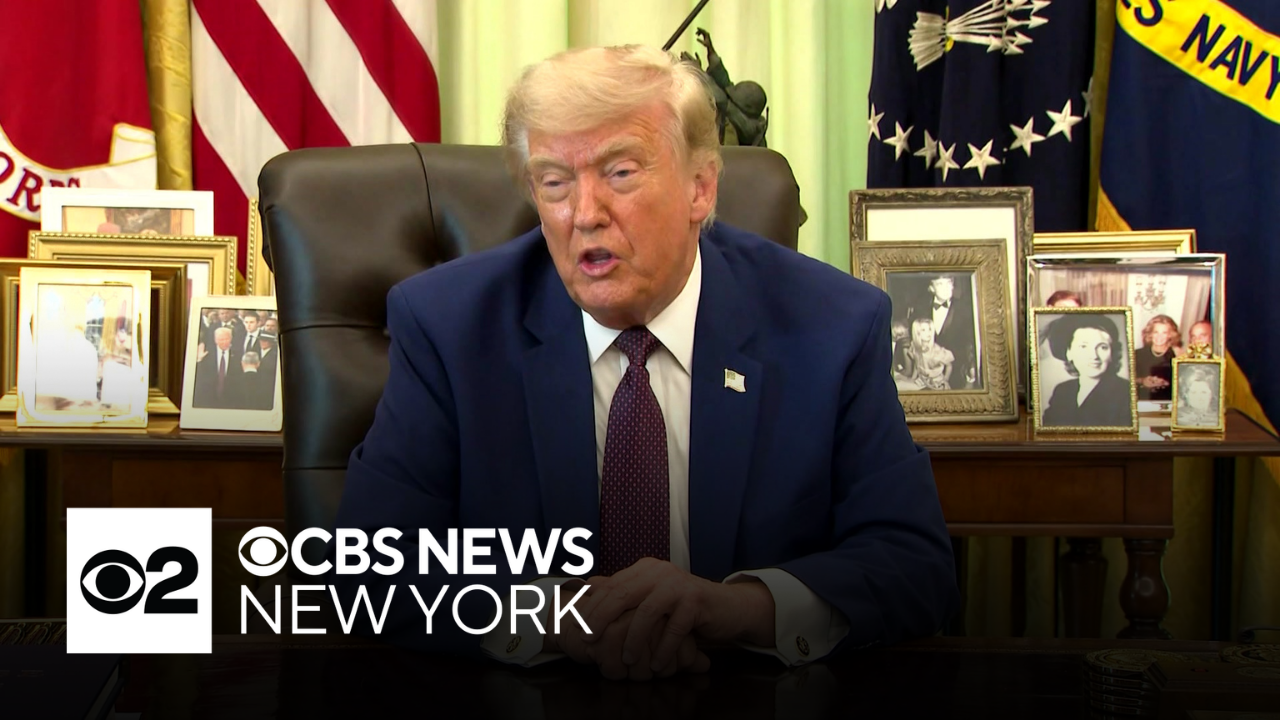
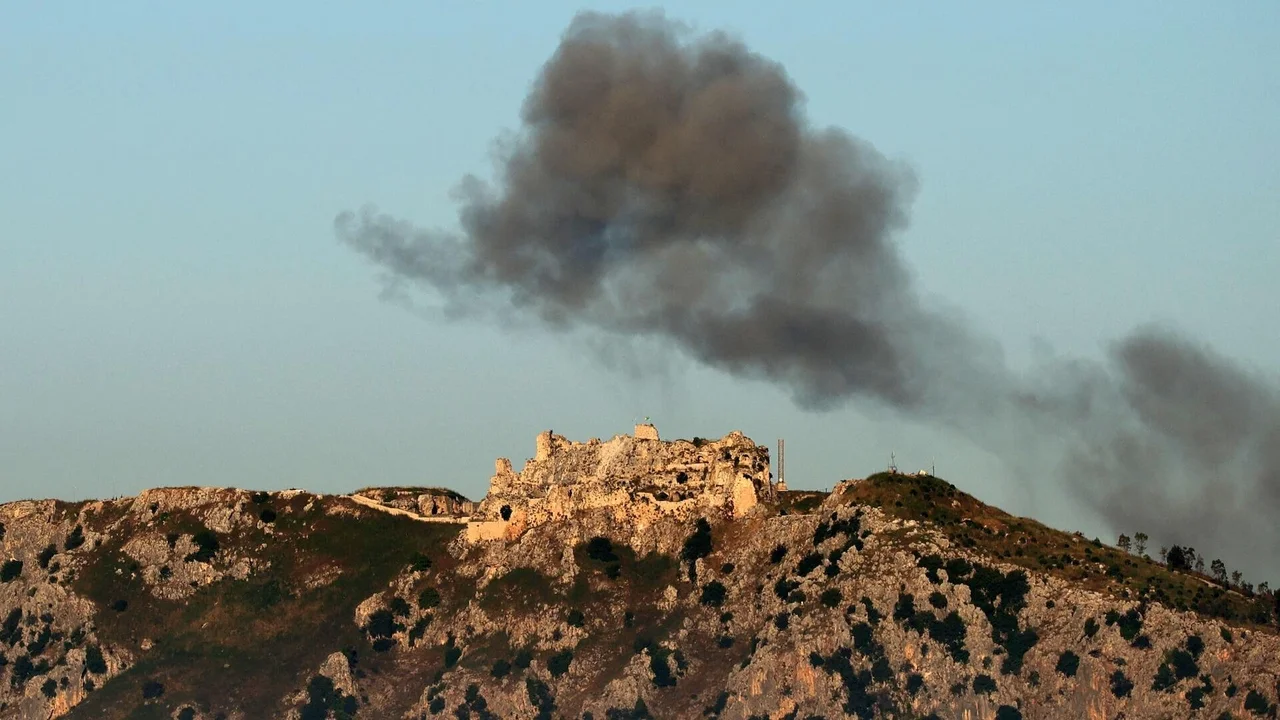
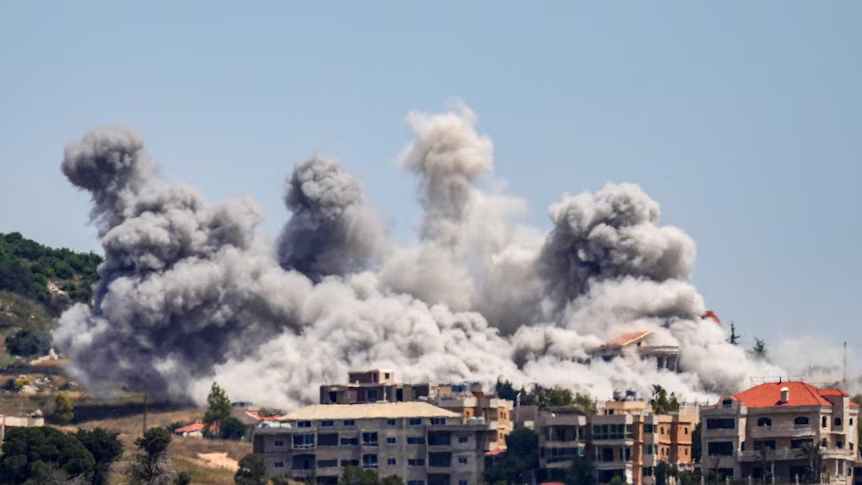
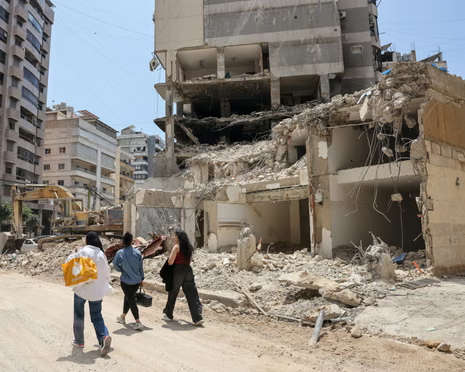
The U.S. House of Representatives rejected a Democrat-led resolution on Thursday, June 4, 2026, that aimed to invoke war powers concerning Lebanon. The vote followed the announcement of a U.S.-brokered ceasefire between Israel and Lebanon on Wednesday. The resolution, which sought to assert congressional authority over potential military actions, failed decisively with a vote of 92 to 324. Two members voted present, indicating a broad opposition to the measure within the House. The legislative action came as regional dynamics continue to evolve, with the ceasefire agreement marking a new development in the conflict between Israel and Lebanon. The rejection of the Democrat-led Lebanon war powers vote resolution by the U.S. House of Representatives on Thursday, June 4, 2026, showed the complex political landscape surrounding U.S. Engagement in the Middle East.
Resolution's Aims and Content
The resolution, introduced by Democratic Representative Rashida Tlaib of Michigan, aimed to direct the president to remove U.S. Armed forces "from Lebanon" within seven days of its adoption. Democratic leaders stated that an updated war powers resolution by Tlaib with revised language, introduced on Wednesday, was "the best legislative vehicle to keep U.S. Troops out of Lebanon." This new version specifically added, "Nothing in this concurrent resolution may be construed to prevent or limit security cooperation with the Lebanese Armed Forces or the protection of diplomatic facilities." This particular clause aimed to address concerns about maintaining essential diplomatic and security ties while limiting direct military involvement.
Rep. Tlaib asserted that the United States had become an "active participant" in what she described as an "ethnic cleansing campaign" and "war crimes" perpetrated by the Israeli government, stating, "We must end the participation in the Israeli government's violent assault on Lebanon." She also claimed, "The Trump administration is providing intelligence, coordinating strikes and demonstrating overt command over Israeli decisions." Democratic leaders affirmed their support, stating they "stand with the Lebanese people, the government of Lebanon and the Lebanese Armed Forces in their efforts to live peacefully and defeat Hezbollah." They also emphasized, "We also do not support any effort by the Trump administration to entangle the United States in a war in Lebanon or other parts of the Middle East." This position noted a broader concern among Democrats regarding potential U.S. Military escalation in the region.
Debate and Political Divisions
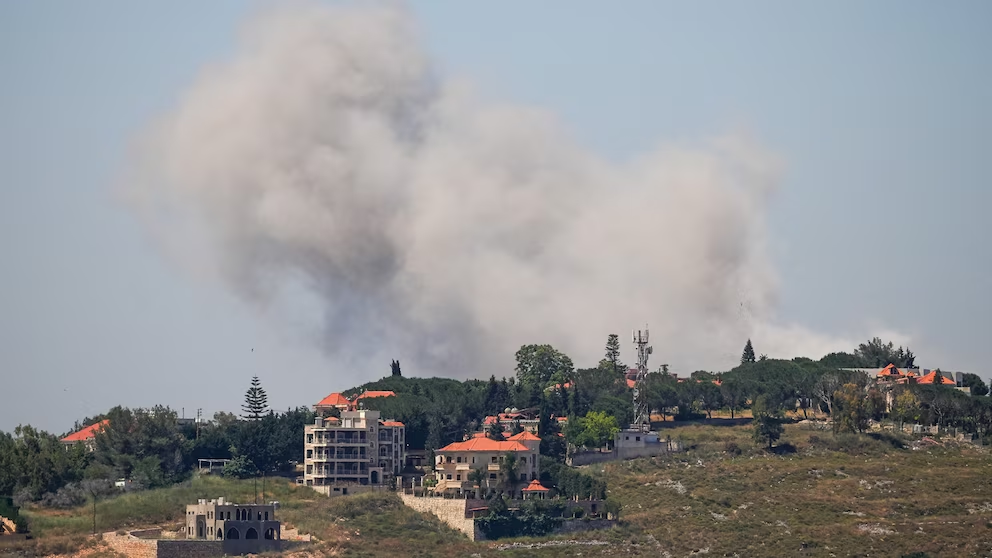
The vote on the resolution was forced by Representative Tlaib following weeks of deadly fighting between Israel and the Iranian-backed militant group Hezbollah in southern Lebanon. During the debate, Republican Representative Brian Mast argued that Tlaib's resolution sought to remove U.S. Forces "from a country where we are not in conflict." This argument was based on the premise that no U.S. Servicemembers are currently involved in combat operations or hostilities in Lebanon, a point also reiterated by Democratic leaders. Floor debate on the resolution came to a standstill when Republican Representative Max Miller of Ohio accused Tlaib of supporting terrorists. Miller claimed, "Hezbollah is a terrorist organization ... And its members are butchers that you like to hang out with to a certain extent," adding, "You advocate for terrorists on a daily basis." Miller's accusation that Tlaib advocates for terrorists was subsequently stricken from the Congressional Record. Democratic leaders stated that they "do not support any effort by the Trump administration to entangle the United States in a war in Lebanon or other parts of the Middle East." They also affirmed their commitment to peace, stating, "House Democrats are committed to ending Donald Trump's reckless and costly war of choice in Iran." The heated exchange showed the deep partisan divisions surrounding U.S. Foreign policy in the Middle East and the role of Congress in overseeing military actions.
Broader Context and Precedent
Democratic leaders stated that no U.S. Servicemembers are currently involved in combat operations or hostilities within Lebanon. They previously described an updated war powers resolution by Representative Rashida Tlaib as "the best legislative vehicle to keep U.S. Troops out of Lebanon." The ceasefire deal between Israel and Lebanon, brokered by the U.S. Stipulates that Hezbollah must cease its attacks and withdraw from parts of southern Lebanon. This condition is key for the stability of the region and for ensuring the effectiveness of the ceasefire. Democratic leaders affirmed their support, stating they "stand with the Lebanese people, the government of Lebanon and the Lebanese Armed Forces in their efforts to live peacefully and defeat Hezbollah, a violent terrorist organization that is a sworn enemy of the United States." This statement reinforced the U.S. Stance against Hezbollah, even while seeking to avoid direct military entanglement.
The failed vote on the Lebanon war powers resolution occurred shortly after the House passed a separate war powers resolution on Wednesday. That measure aimed to restrict President Trump from undertaking further military action against Iran without explicit congressional approval. Democratic leaders emphasized their stance, stating, "We also do not support any effort by the Trump administration to entangle the United States in a war in Lebanon or other parts of the Middle East." The passage of the Iran war powers resolution marked the first instance of the House approving such a measure, with Democratic leaders noting, "As demonstrated yesterday, House Democrats are committed to ending Donald Trump's reckless and costly war of choice in Iran." They also stressed the need to "build consensus" on these critical issues, reflecting a desire for greater congressional oversight on military actions. The contrasting outcomes of the two war powers resolutions — one passed, one rejected — highlight the specific concerns and political dynamics at play regarding different conflicts in the Middle East.