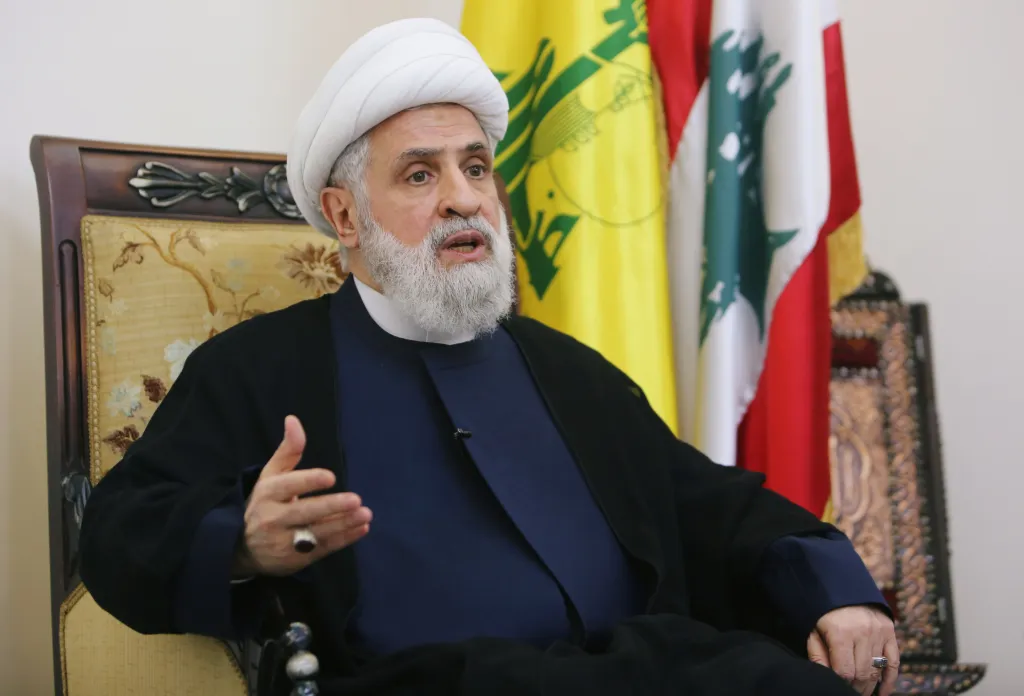
Hezbollah has rejected a recent ceasefire agreement between Israel and the Lebanese government, demanding a complete withdrawal of Israeli forces from Lebanon. This rejection, which ultimately sinks any hope of peace in southern Lebanon, came despite the efforts to secure a resolution. Hezbollah chief Naim Qassem, in a TV statement released Thursday, condemned the agreement as “absurd, humiliating and insulting.” This stance complicates efforts to de-escalate tensions along the border and casts a long shadow over regional stability. Hezbollah's rejection of the latest cease-fire agreement between Israel and the Lebanese government shows the persistent challenges in achieving lasting peace in the volatile region.
Lebanese President Joseph Aoun had described the new agreement with Israel as “the last chance to enter a final and full ceasefire,” stressing the urgency of the deal. However, Hezbollah has signaled its refusal to accept terms that do not meet its core demands, specifically the Jewish state’s full withdrawal from Lebanon. Reports indicate the proposed deal labels Hezbollah an “enemy” of the United States, Israel, and Lebanon, a classification the group has openly contested and found unacceptable. This designation was a significant point of contention for Hezbollah, which views itself as a legitimate resistance movement rather than an enemy of Lebanon.
Kassem reiterated the group's primary concerns, stating, “What we are concerned about is an end to the aggression, ceasefire and Israel’s withdrawal.” Hezbollah's insistence on a full Israeli pullout from Lebanese territory remains a key condition for any lasting cessation of hostilities. The group's rejection undermines the brokered agreement and leaves the path to a full ceasefire uncertain, prolonging a conflict that has already claimed many lives and displaced a significant population. This refusal to compromise on the core demand for Israeli withdrawal notes the deep-seated ideological and territorial disputes that fuel the ongoing conflict.
Deal's Terms and Rejection
The ceasefire deal itself was secured with assistance from the US State Department and emerged from the fourth round of negotiations held in Washington. The agreement reportedly called for Hezbollah to retreat north, past the Litani river. It also stipulated that the US would help establish "pilot zones in which the Lebanese Armed Forces will take exclusive control of the territory to the exclusion of all non-state actors," according to reports. This U.S.-brokered agreement between Israel and Lebanon's government also called for Lebanon’s armed forces to assume control of security zones, from which militants would be banned. This provision was a key component aimed at restoring governmental authority in the volatile border region, effectively seeking to disarm and displace non-state actors like Hezbollah from the southern border areas.
However, the proposed deal did not specify a timeline for Israel's withdrawal from southern Lebanon. This omission was a critical point of contention for Hezbollah, which views any continued Israeli presence as an occupation. Historically, Israel had seized approximately 20% of Lebanese territory, a significant portion that includes areas long disputed. Despite these terms, Israeli Lt. Gen. Eyal Zamir, the military's chief of staff, stated that Israel's operations in Iran and Lebanon had "created a new security reality" by weakening Iran and Hezbollah "to an unprecedented degree." These developments occurred amid ongoing hostilities that have resulted in the deaths of at least 28 Israeli soldiers and three civilians, showing the high human cost of the conflict. The lack of a clear withdrawal timeline for Israeli forces, coupled with the designation of Hezbollah as an enemy, proved to be insurmountable obstacles for the group, making the proposed terms unacceptable from their perspective.
Hezbollah's Stance and Demands
Hezbollah chief Naim Qassem has articulated the group's core objections, stating that Israel's demand for his fighters to permanently leave southern Lebanon amounts to "surrender, defeat and achieving the enemy’s goals." Qassem further warned that as long as Israel continues its assaults in southern Lebanon, northern Israel "will not be safe." This statement notes the group's retaliatory posture and its determination to maintain its presence in the region. Reports indicate that Tehran is insistent that any peace deal must involve Hezbollah, reflecting the strong strategic alliance between the two. The Islamic Republic had previously signaled it would withdraw from negotiations with the United States if the conflict in Lebanon continued, showing the interconnectedness of regional conflicts. Iran has demanded that any lasting truce extend to Lebanon, according to reports, indicating its broader regional interests are at play and its commitment to its Lebanese ally.
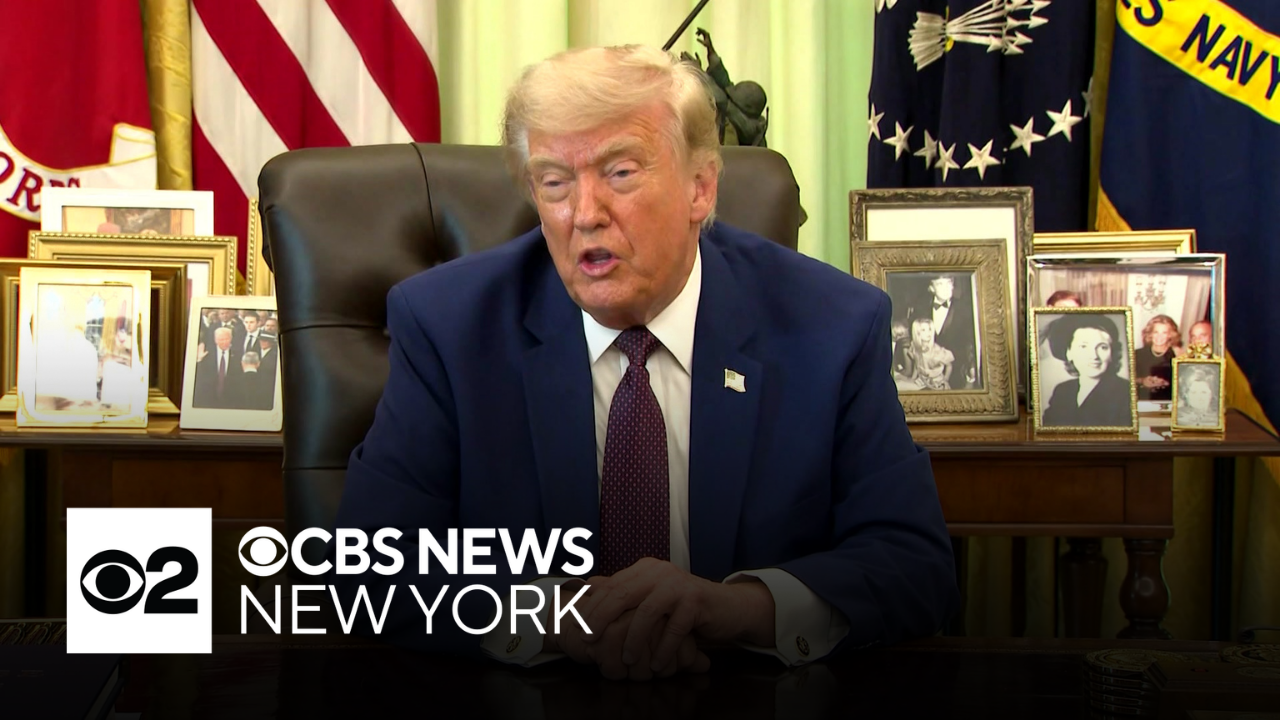
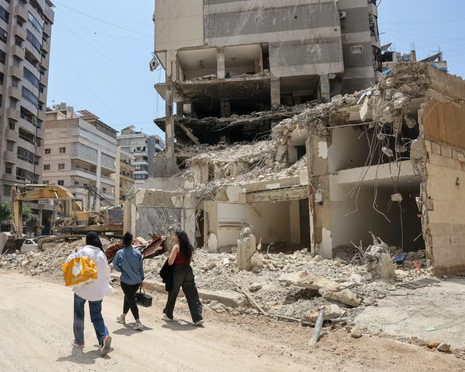
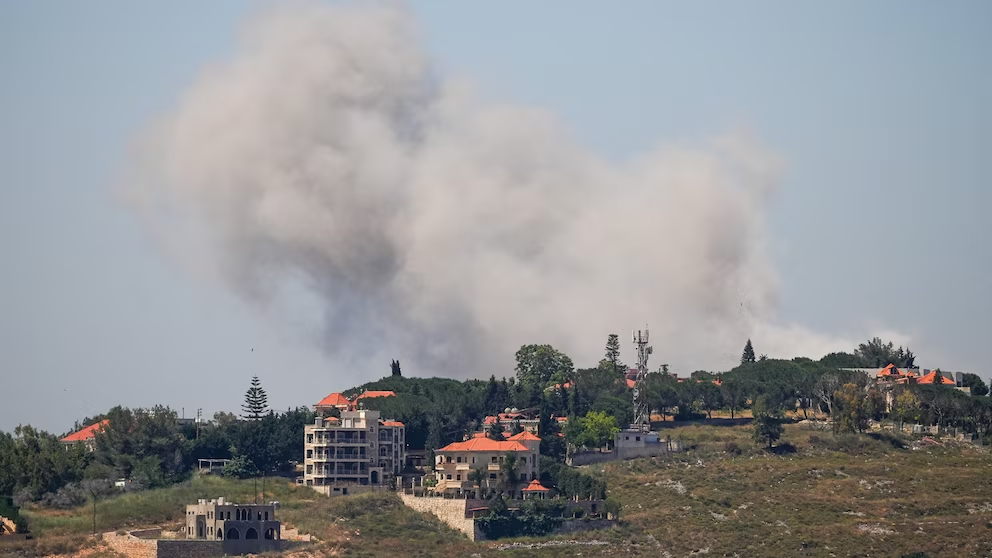
Israeli Prime Minister Benjamin Netanyahu, however, reportedly intends to proceed with Israel’s offensive until Hezbollah no longer poses a threat. This firm stance from Jerusalem directly clashes with Hezbollah’s demands and Iran’s regional objectives. Amid these tensions, U.S. President Donald Trump told reporters that in the Middle East, "a ceasefire is when you’re shooting in a more moderate manner," a remark that showed the complex and often ambiguous nature of de-escalation efforts in the region. The ongoing conflict has resulted in more than 3,500 deaths in Lebanon, and over 1.2 million people have been displaced in Lebanon, illustrating the severe humanitarian crisis unfolding. In one recent incident, Lebanon’s state-run National News Agency reported that a drone strike killed a motorcyclist and wounded four people in the village of Maaroub, a stark reminder of the daily dangers faced by civilians.
Escalating Conflict and Impact
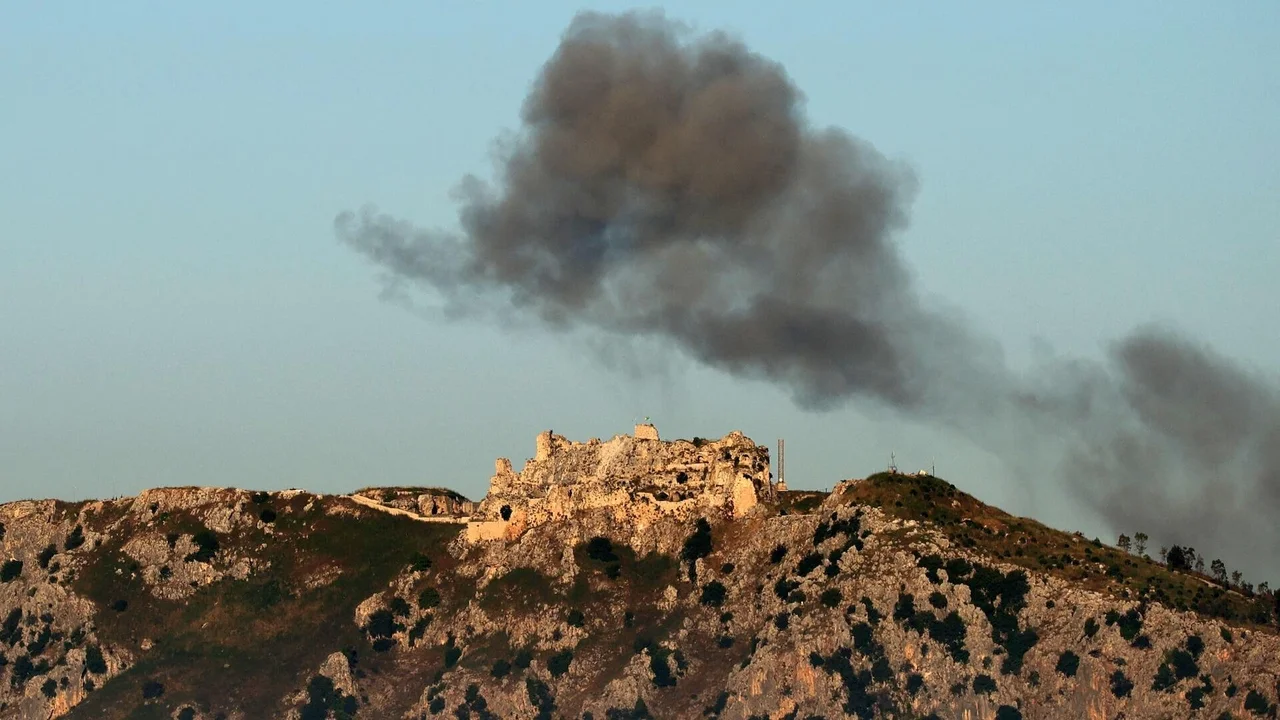
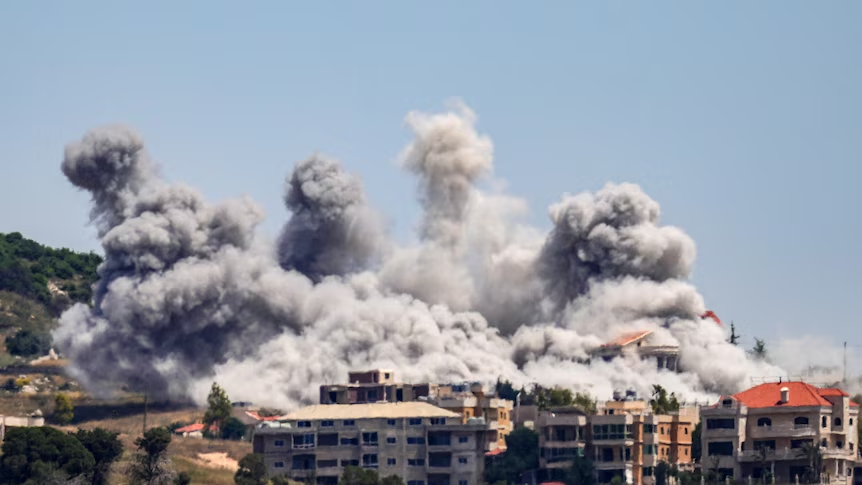
The terror group fired several drones at Israeli soldiers stationed in the area, according to reports. Large portions of northern Israel remain evacuated under the threat of Hezbollah attacks since the start of the war in Gaza in 2023. The group has launched near daily attacks in solidarity with Hamas, reports indicated, demonstrating its commitment to its allies in the broader regional conflict. Attacks resumed on February 28 following joint US-Israeli airstrikes on Iran, with Hezbollah resuming rocket fire days after the surprise Feb. 28 attack. Israeli airstrikes killed at least four people in Lebanon, including three in the village of Sohmor in the Bekaa Valley, according to local authorities and Lebanese news. A U.N. Peacekeeper was killed and two others were wounded when a mortar struck their location near Marjayoun, reports stated, noting the risks even to international observers. An Israeli soldier was killed in combat in southern Lebanon, according to reports, adding to the growing casualty count on both sides.
Drone alert sirens sounded in several border communities in northern Israel, including Shlomi, after Naim Kassem’s statement, reports indicated, signaling immediate responses to the Hezbollah chief's declarations. The Israeli military said sirens were triggered by attempts to intercept drones that hit near soldiers in southern Lebanon, indicating active engagement along the border. Lebanese troops began moving into the southern village of Dibbine on Thursday afternoon after Israeli forces left, reports indicated. This marked the first time Israeli troops withdrew from an area in southern Lebanon since the latest Israel-Hezbollah conflict began about three months ago, according to reports, offering a brief, localized de-escalation in one specific area. The Israeli military announced that a 21-year-old captain in the armored corps was killed in southern Lebanon, showing the continued intensity and lethality of the clashes.
Broader Regional Implications
Hezbollah's rejection of the ceasefire deal is seen as ultimately sinking any hope of peace in southern Lebanon, prolonging instability in a strategically vital area. The continued fighting in Lebanon further threatens broader efforts to end the Iran war and reopen the Strait of Hormuz, according to reports. The Strait of Hormuz is a critical global shipping lane, and its disruption could have broad economic consequences. Amid these regional tensions, President Trump reportedly spoke with Israeli Prime Minister Benjamin Netanyahu to hold off planned strikes in Beirut, indicating high-level diplomatic interventions aimed at preventing wider escalation. Historically, Israeli troops had seized around a fifth of Lebanon, a factor that continues to influence regional dynamics and fuels long-standing grievances. The current impasse, driven by Hezbollah's unwavering demands for full Israeli withdrawal and its rejection of terms it deems humiliating, shows the deep-seated complexities of the conflict and the challenges in achieving a lasting peace in the Middle East. The broader implications of Hezbollah's stance extend beyond the immediate border conflict, potentially impacting regional stability and global energy markets.