Hezbollah has reportedly reinforced its positions and weapons in southern Lebanon since the conflict with Israel began on March 2, despite an earlier claim by the Lebanese army in January that it had disarmed the group near the Israeli border. This strategic move by Hezbollah has introduced new dynamics into the ongoing hostilities, challenging earlier assessments of the group's capabilities in the immediate border region. The Lebanese army had previously announced in January that it had completed the disarmament of the group near the Israeli border in southern Lebanon, a claim that now appears to be contradicted by recent developments and Hezbollah's own statements.
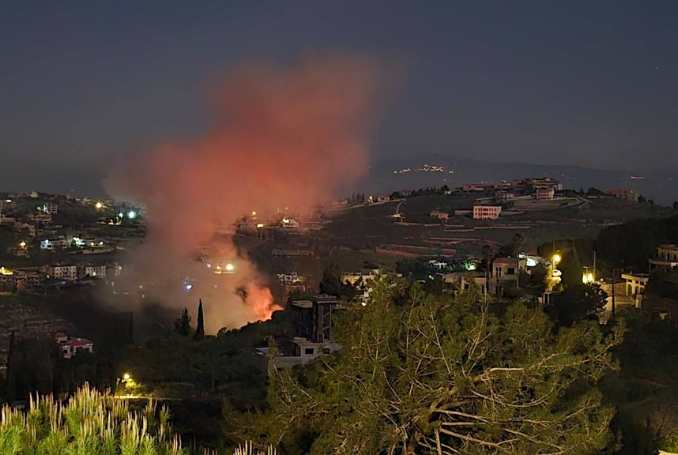
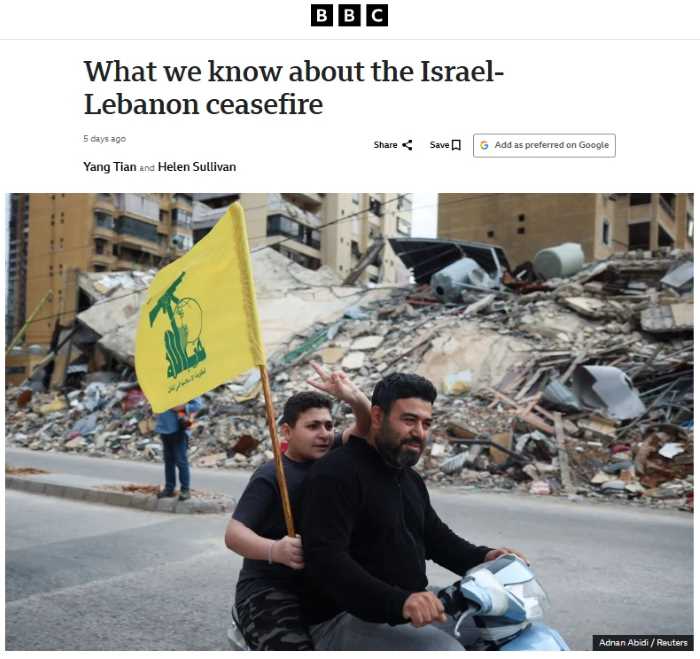
The most recent hostilities between Israel and Hezbollah were brought to a halt on April 17 by a ceasefire, an agreement that aimed to de-escalate the volatile situation. However, the fragile nature of this truce was quickly showed by subsequent events. On Saturday, at least six individuals were killed in Israeli strikes on southern Lebanon, with four fatalities reported in Yohmor al-Shaqeef from an attack targeting a truck and a motorbike, and two more in Safad al-Battikh. These strikes highlight the continued intensity of the conflict despite the declared ceasefire. The Israel Defense Forces (IDF) stated they "eliminated" three Hezbollah members driving "a vehicle loaded with weapons" and another on a motorcycle on Saturday. Additionally, the IDF confirmed two more armed Hezbollah members were killed in the Litani area. Further complicating the situation, the IDF also reported that a "suspicious aerial target was identified" in the area of Malkia, referring to it as an "additional violation of the ceasefire," indicating persistent breaches of the agreed-upon cessation of hostilities.
Hezbollah's Resurgence and Tactics
Hezbollah was able to "introduce forces and arms in the course of the battle" with Israel, according to Youssef Al Zein, the group's director of media relations. This assertion directly challenges the effectiveness of previous disarmament efforts. Zein stated that these reinforcements did not use roads controlled by the Lebanese army, suggesting a sophisticated and covert logistical network designed to circumvent official oversight. He explained that Israel's increased ability to penetrate deeper into Lebanese territory stemmed from Hezbollah's prior disarmament south of the Litani river, approximately 30 kilometers (20 miles) from the border, and the destruction of its infrastructure, including tunnels, in that area. This earlier disarmament, according to Zein, created a vacuum that Hezbollah has since moved to fill.
According to Zein, Hezbollah was able to "reconstitute its forces" after the last conflict with Israel and is "prepared for a long battle." This statement signals the group's determination and readiness for sustained engagement. He added, "We are aware of the enemy’s superiority, but at the same time we are exploiting its weak points." This strategic approach involves leveraging asymmetric advantages against a technologically superior adversary. The group has been utilizing inexpensive one-way attack drones, controlled via fiber-optic cable, against Israeli forces. The use of such drones gained prominence during the Ukraine conflict, demonstrating their effectiveness in modern warfare. Zein noted that these drones, which have become a significant component of Hezbollah's offensive capabilities, were "manufactured in Lebanon," indicating a degree of indigenous military production. Attacks using these drones have proven to be lethal, with the Israeli military reporting that they have killed two Israeli soldiers and a civilian contractor in under a week, showing the immediate threat posed by these unmanned aerial vehicles.
Hezbollah launched rockets at Israel, drawing Lebanon into the broader regional conflict following US-Israeli attacks on Iran. This action shows the interconnectedness of regional conflicts and the role of proxy forces. Hezbollah is widely regarded as the most capable member of Iran’s network of proxy forces, possessing a substantial arsenal of rockets and missiles and a well-established presence in southern Lebanon. Its strategic importance to Iran's regional influence is undeniable, making its actions closely watched by all parties.
The Lebanese army had been implementing a plan drafted after a 2024 ceasefire agreement that concluded the previous conflict between the two sides. This plan aimed to stabilize the border region and prevent further escalation. However, the recent re-escalation indicates the challenges in maintaining such agreements. The ceasefire agreement was extended on Thursday after discussions between envoys in Washington, signaling international efforts to contain the conflict. Zein also commented on the Lebanese army's role, stating, "We are convinced that the army is a national army that will not enter into a confrontation with Hezbollah." This statement suggests a complex relationship between Hezbollah and the official Lebanese military, where direct confrontation is seen as unlikely by the militant group.
Israeli Military Operations and Escalation
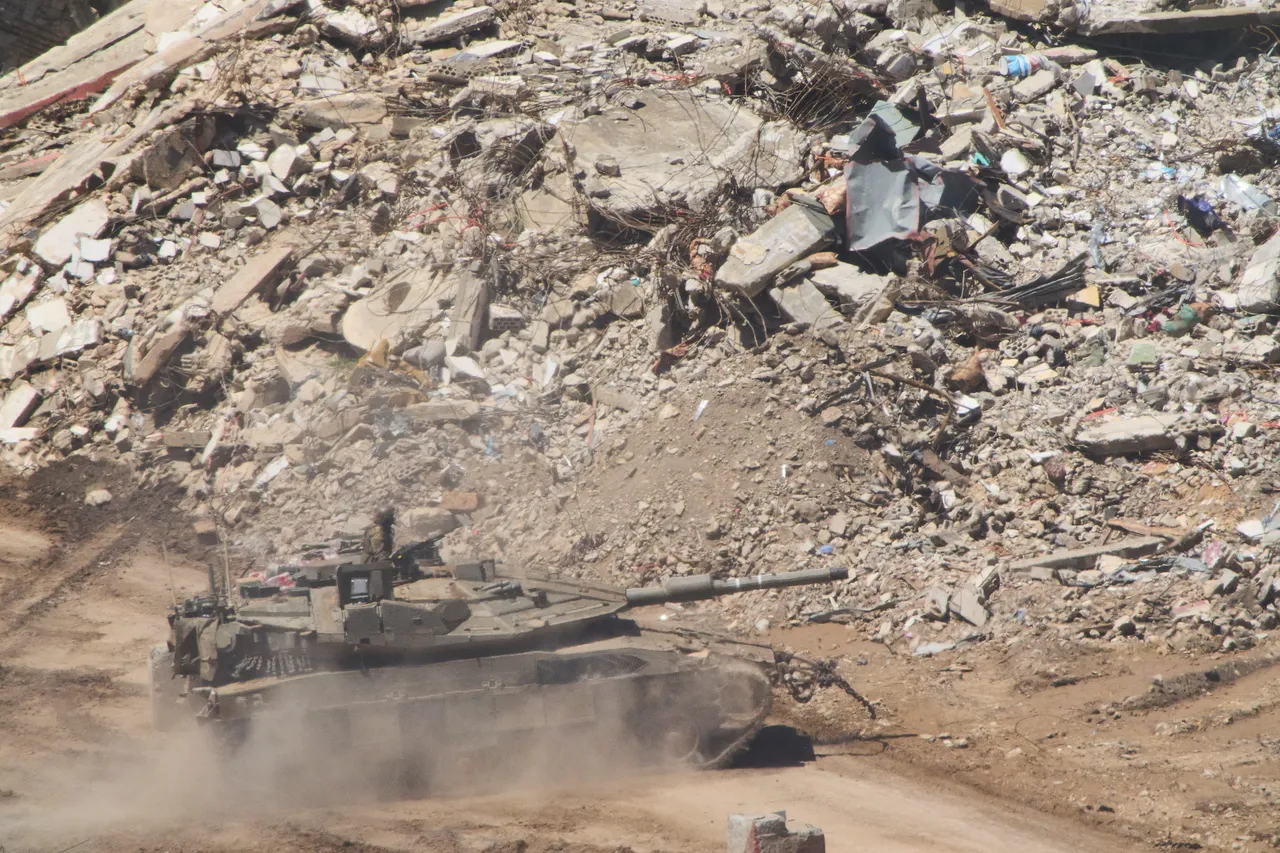
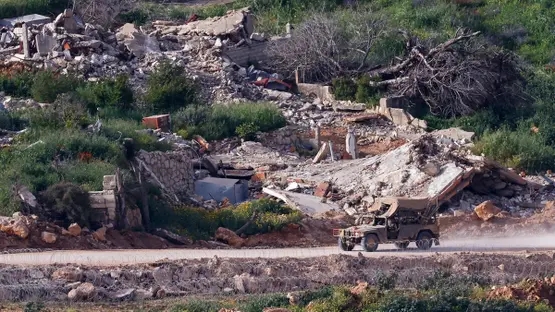
Israel announced on April 7 that it had completed the deployment of its ground forces in southern Lebanon, stating it would maintain a 10-kilometer-deep 'security zone' within Lebanese territory. This deployment involves five Israeli brigades now operating inside southern Lebanon alongside naval forces, marking a significant military presence. According to Israeli claims, the military is pushing deeper into Lebanon to target Hezbollah positions located near its northern border, signaling a sharp escalation within southern Lebanon. This aggressive posture indicates Israel's determination to neutralize perceived threats originating from Lebanese territory.
Avichay Adraee, a spokesperson for the Israeli Defense Forces, stated that "multiple brigades are operating south of a “forward defense line,” working with naval forces to destroy infrastructure linked to Hezbollah and block what he described as a direct threat to northern Israeli towns." These forces are specifically working to destroy infrastructure linked to Hezbollah and to block a direct threat to northern Israeli towns, according to Adraee. The Israeli military further published a map on Sunday, detailing the area where its forces are operating south of this forward defense line, providing visual evidence of its territorial claims and operational scope. The establishment of this forward defense line and the extensive military operations within it show Israel's commitment to creating a buffer zone against Hezbollah's activities.
The escalation followed a directive from Israeli Prime Minister Benjamin Netanyahu, who ordered the military to "vigorously attack Hezbollah targets" in Lebanon. This directive was issued two days after a ceasefire, which had been extended by three weeks, was in effect. The timing of Netanyahu's order, shortly after a diplomatic extension of the ceasefire, notes the precarious nature of peace efforts in the region. Fresh Israeli attacks commenced following Netanyahu's order, demonstrating an immediate response to the political directive. The Israeli military later stated that it "struck Hezbollah terrorist infrastructure used for military purposes across southern Lebanon." This broad statement indicates a full targeting strategy aimed at degrading Hezbollah's operational capabilities. The Israel Defense Forces (IDF) also affirmed that it would "continue to operate decisively against threats directed at Israeli civilians and IDF soldiers, in accordance with directives from the political echelon." The ongoing operations show Israel's stated intention to neutralize threats originating from southern Lebanon. The deployment and subsequent actions represent a significant expansion of Israeli military activity in the region following the recent ceasefire extension. The IDF's public statements emphasize a sustained operational posture against perceived threats, signaling a long-term commitment to its security objectives in the area.
Broader Regional Implications
The escalation in southern Lebanon increases the risk of a broader conflict involving Hezbollah and could exert pressure on United States and allied interests throughout the region. The potential for a wider conflagration remains a significant concern for international observers and policymakers. Any further escalation in southern Lebanon also risks drawing in other Iran-backed groups operating across the region, including in Syria and Iraq, thereby expanding the geographical scope of the conflict. These developments could expand existing tensions into the Eastern Mediterranean, potentially impacting shipping lanes, energy interests, and regional stability beyond the immediate border areas. The intricate network of alliances and proxy forces in the Middle East means that localized conflicts often have broad consequences.
Israel continues to occupy a significant portion of southern Lebanon and has been carrying out large-scale demolitions in the area, actions that further inflame tensions with local populations and Hezbollah. Israel's retaliation has killed more than 2,600 people, with its strikes on Lebanon continuing despite a truce. This high casualty count shows the severity and human cost of the ongoing conflict. Hezbollah stated it targeted an Israeli army vehicle in south Lebanon in retaliation for an attack on Yohmor al-Shaqeef, according to AFP, illustrating the cycle of retaliatory strikes that characterizes the conflict.
Journalists Targeted Amidst Conflict
An international press advocacy group, the Media Freedom Coalition (MFC), described attacks on journalists in Lebanon as "unacceptable." This strong statement followed an Israeli strike on Wednesday that killed Amal Khalil, a journalist for a Lebanese newspaper, and injured freelance photographer Zeinab Faraj. Officials in Lebanon said Ms. Khalil and Ms. Faraj were deliberately targeted as they sought shelter during the incident, raising serious concerns about the safety of media personnel in conflict zones. The Media Freedom Coalition, a partnership that includes the United Kingdom, urged all parties involved to allow media personnel to work freely and safely, emphasizing the critical role of independent reporting. In contrast, the Israel Defense Forces (IDF) stated that it did not target journalists, presenting a conflicting account of the incident.
Cross-border exchanges between Israeli forces and Hezbollah have continued for months, contributing to the volatile situation. These exchanges often involve rocket fire from Hezbollah and airstrikes from Israel, creating a constant state of alert along the border. Following Israeli Prime Minister Benjamin Netanyahu's order to "vigorously attack Hezbollah targets," Lebanon's state-run National News Agency (NNA) reported strikes in the Bint Jbeil district, Tyre district, and Nabatieh district, indicating widespread Israeli military activity across southern Lebanon. The continued targeting of these areas suggests a concerted effort by Israel to degrade Hezbollah's infrastructure and operational capacity across its strongholds.