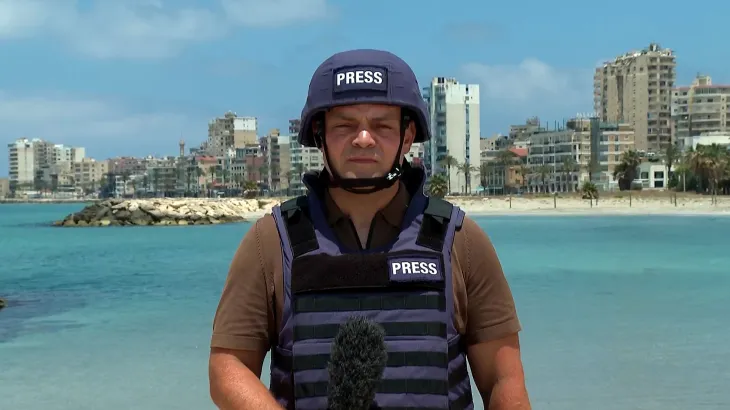
Hezbollah issued a statement on Tuesday, praising Iran's recent missile strikes and criticizing pro-Western Lebanese factions. The powerful Lebanese armed group and political party lauded Iran's actions, which it described as a legitimate response to regional developments. In its statement, Hezbollah also directed criticism towards Lebanese political groups it considers aligned with Western interests, accusing them of undermining national unity. The group's remarks from Beirut show its regional alignment and domestic political stance concerning recent international events.
Iran's Support for Lebanon
Hezbollah described Iran's recent missile strikes as a demonstration of the Islamic Republic’s moral, political, and practical commitment to Lebanon. This assertion notes the deep ideological and strategic ties that bind the two entities. The Lebanese group stated Iran's action was intended to show the importance of preserving regional stability and ensuring that all parties adhere to existing agreements. According to Hezbollah, the missile strikes also carried a clear message to regional and international actors regarding the need to halt Israeli attacks and prevent further escalation. Hezbollah further described Iran’s support for Lebanon as evidence of the historical relationship and shared values between the two nations, emphasizing a bond that transcends mere political alliance. This historical connection, according to the group, is rooted in shared cultural and religious affinities, reinforcing a sense of mutual destiny in the face of regional challenges.
The organization expressed gratitude for Iran’s position on behalf of the families of martyrs, displaced people, and the Lebanese public. This expression of thanks shows the perceived solidarity and support offered by Tehran to the Lebanese populace, particularly those affected by conflict. Hezbollah stated that Iran’s leadership, government, parliament, military, Islamic Revolutionary Guard Corps, and people stand alongside Lebanon. This full enumeration of Iranian institutions and its populace is intended to convey the depth and breadth of Iran's commitment. This perspective emphasizes a long-standing alliance and shared objectives in the region, particularly concerning the conflict with Israel and broader geopolitical dynamics. The statement from Hezbollah aligns with its consistent portrayal of Iran as a key regional ally for Lebanon, one that provides steadfast support in times of crisis.
Criticism of Lebanese Opposition
Hezbollah sharply criticized pro-Western Lebanese politicians and factions for their attacks on Tehran. The powerful Lebanese group launched a strong criticism of certain pro-Western political figures in Lebanon, accusing them of undermining national unity through their alignment with external powers. Hezbollah condemned any cooperation with the United States and Israel against Iran, stating such actions run counter to Lebanese interests and compromise the nation's sovereignty. The group specifically warned against any attempts to isolate or antagonize Iran, arguing that such policies would only serve to destabilize the region further and weaken Lebanon's position. The group's statement called for a unified national stance that reflects Lebanon's sovereignty and independence from external pressures, advocating for a foreign policy rooted in national interest rather than foreign allegiances.
Hezbollah urged the Lebanese government to use the current opportunity to place relations with Iran on a more constructive path. The organization emphasized that enhancing ties with Tehran would benefit Lebanon by strengthening regional alliances and supporting its resistance. This appeal suggests a desire for Lebanon to align its foreign policy more closely with Iran, particularly in light of ongoing regional tensions. The group's criticism notes internal divisions within Lebanon regarding its geopolitical orientation, with some factions favoring closer ties with Western nations while others, like Hezbollah, advocate for a stronger alliance with Iran and its regional partners. Hezbollah argues that a strong alliance with Iran is essential for Lebanon's security and its ability to withstand external pressures, particularly from Israel.
Context of Israeli Actions
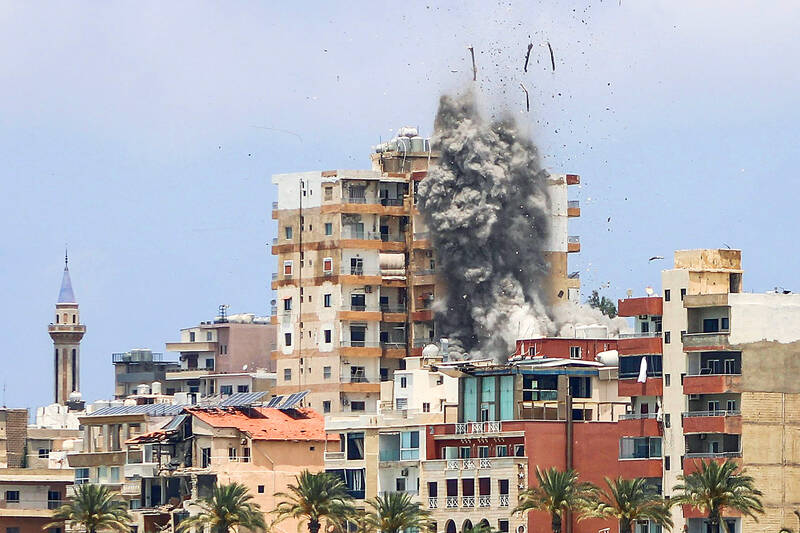
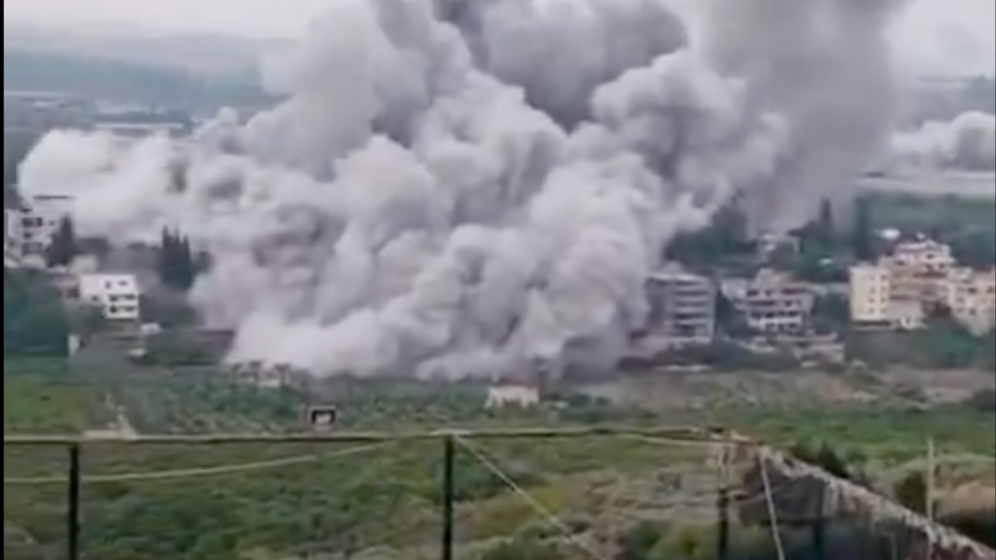
Hezbollah stated Iran's missile response came after Israel continued its military operations against Lebanon, specifically targeting Beirut’s southern suburb of Dahiyeh. The group claimed these attacks were conducted with full U.S. Backing, asserting they represented a violation of the ceasefire agreement and international commitments. Hezbollah argued that Israel must be held accountable for respecting commitments made, emphasizing the importance of adherence to existing agreements and international law. This assertion frames Iran's actions as a justified reaction to continuous Israeli aggression and a demonstration of resolve against perceived violations of international norms.
Hezbollah added that Iran's operation coincided with support from Yemen’s Ansarallah movement, indicating broader regional coordination and a united front against perceived adversaries. This coordination notes the interconnected nature of regional conflicts and the network of alliances that exist. The group warned that continued U.S. Support for Israeli attacks on Lebanon could undermine any prospects for future agreements or understandings, suggesting that American policy directly impacts regional stability and the potential for de-escalation. Hezbollah further stated that Iran continues to insist on the inclusion of a full ceasefire in any potential agreement, noting its focus on de-escalation as a condition for resolution and a prerequisite for any lasting peace. This perspective indicates a link between Israeli actions and Iran's strategic responses, supported by regional allies, and shows the group's view that a durable peace requires a complete cessation of hostilities and a commitment to international agreements.