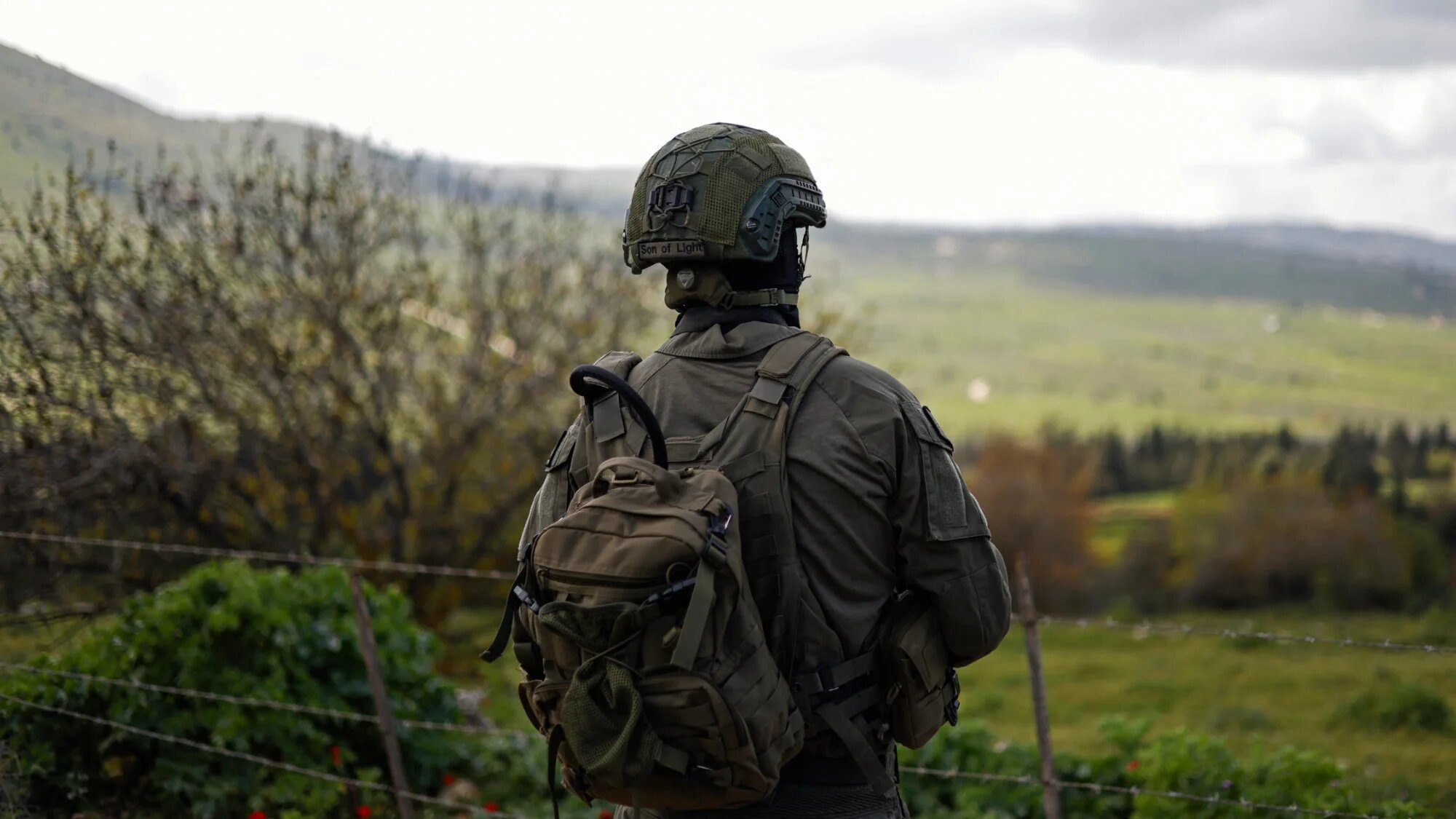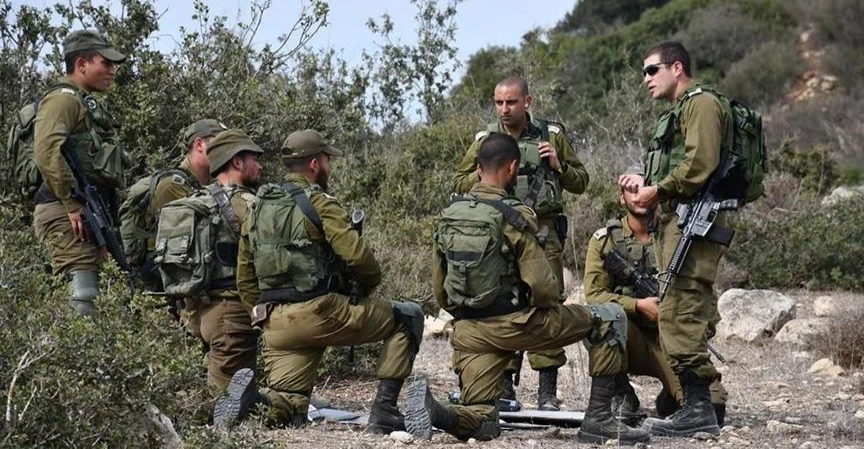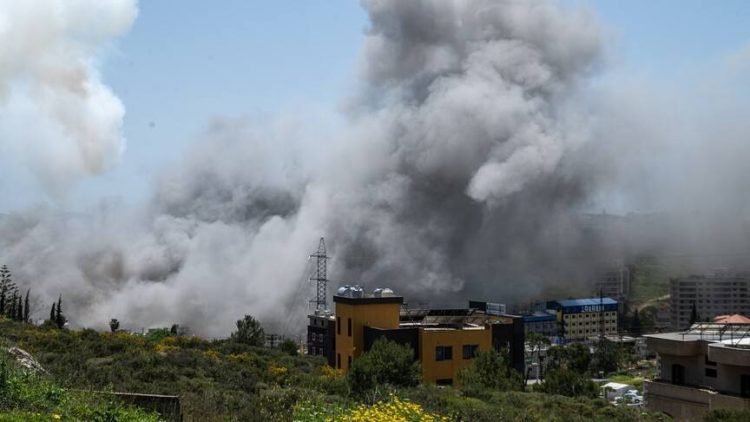
Hezbollah stated its fighters launched rockets and explosive drones at Israeli military positions and troop gatherings in southern Lebanon. The group's claim details attacks targeting multiple locations within the border region. Hezbollah said its fighters targeted Israeli military positions and troop gatherings in southern Lebanon with rockets and explosive drones. Specific areas mentioned in the claim include Dibl, Rashaf, Bayada, and Hadatha, all located in South Lebanon. Hezbollah asserted these operations were conducted in response to recent Israeli actions. The Lebanese group routinely issues statements claiming responsibility for such cross-border operations, often citing retaliatory motives. These actions contribute to the ongoing cycle of violence along the frontier.
Details of Border Strikes
Hezbollah stated its fighters struck Israeli military vehicles and soldiers in the areas of Dibl, Rashaf, and Bayada near the border, according to Al Jazeera. According to Al Jazeera, Hezbollah said the attacks struck Israeli military vehicles and soldiers in the areas of Dibl, Rashaf and Bayada near the border. The Lebanese group claimed responsibility for these attacks, which reportedly targeted positions in southern Lebanon. These ground-level engagements are a frequent feature of the current security landscape in the region.
Hezbollah also asserted it deployed suicide drones to target additional Israeli military gatherings. The group also claimed it used suicide drones to target additional Israeli military gatherings around Dibl and the outskirts of Hadatha in southern Lebanon. These drone operations were directed at locations around Dibl and the outskirts of Hadatha, both situated in southern Lebanon. The use of explosive drones represents a significant element in Hezbollah's tactical approach, allowing for precision strikes against identified targets. The group's statement outlined these actions as responses to recent Israeli activities in the region, including alleged Israeli military operations within Lebanese territory. Such responses are a core component of Hezbollah's declared strategy in the face of perceived Israeli incursions or aggression. The specific targeting of military vehicles and troop gatherings indicates a deliberate effort to impact Israeli operational capabilities.
Ongoing Cross-Border Tensions
Israeli airstrikes and artillery attacks have continued in parts of southern Lebanon in recent months, while Hezbollah has repeatedly launched rocket and drone attacks targeting Israeli military positions near the frontier. Hezbollah's actions have targeted Israeli military positions, contributing to the ongoing exchange of fire across the border. These strikes occur amid continuing cross-border tensions between Hezbollah and Israel. The strikes come amid continuing cross-border tensions between Hezbollah and Israel, despite ongoing diplomatic efforts aimed at preventing a wider regional conflict. This persistent friction persists despite ongoing diplomatic efforts. Diplomatic initiatives aim to prevent a wider regional conflict from escalating further. The continued military exchanges highlight the volatile security situation along the Lebanese-Israeli border, as both sides engage in retaliatory actions. The border region has become a flashpoint, with both sides maintaining a heightened state of alert and readiness for further engagements. This pattern of strikes and counter-strikes shows the fragility of the security environment and the constant risk of broader escalation. The international community remains concerned about the potential for this localized conflict to spread, impacting regional stability.
Diplomatic Efforts Amidst Conflict
No immediate details were released regarding casualties or damage from the reported attacks claimed by Hezbollah. Israel has not yet commented publicly on these claims. The lack of immediate Israeli comment is common in such situations, as assessments of damage and operational impact are often conducted before public statements are made.
The United States and regional mediators have recently pushed for an extension of current ceasefire arrangements. These efforts aim to prolong the ceasefire by an additional 45 days, specifically to reduce fighting along the Israel-Lebanon border. This diplomatic push seeks to de-escalate tensions in the volatile region. International actors are actively engaged in trying to broker agreements that could lead to a more sustained period of calm, recognizing the severe implications of an unchecked escalation. The proposed extension reflects a desire to create a more stable environment for further negotiations and to prevent the current skirmishes from evolving into a full-scale conflict. The success of these diplomatic endeavors remains critical for the security of both Lebanon and Israel.