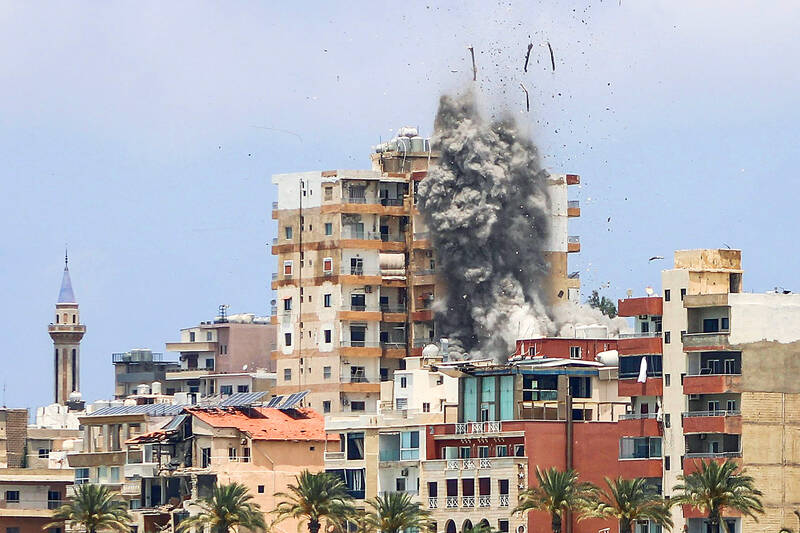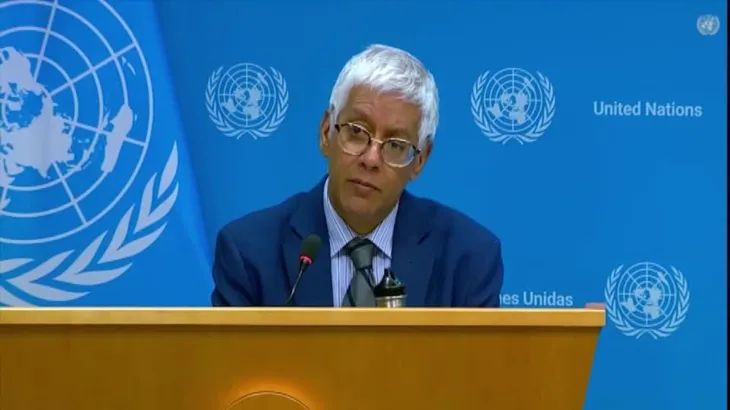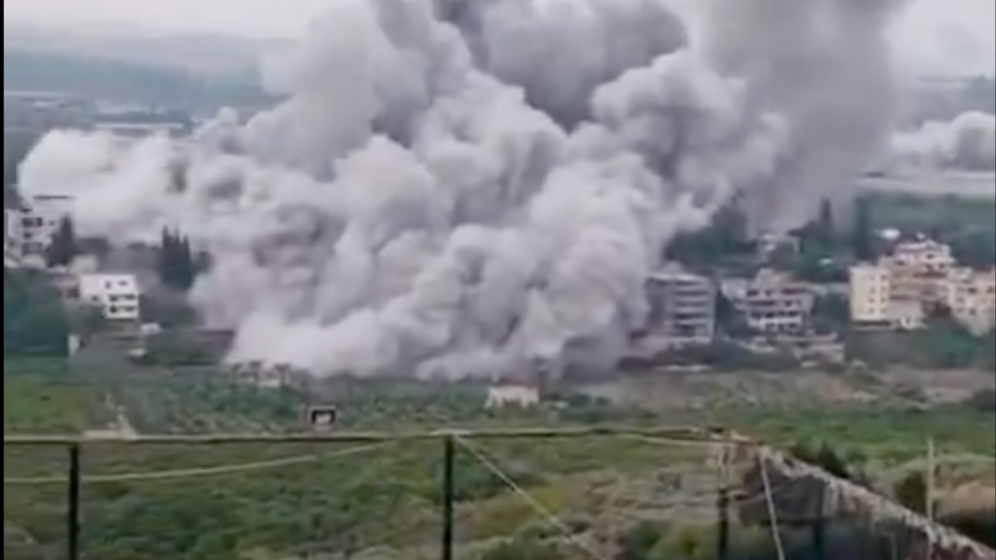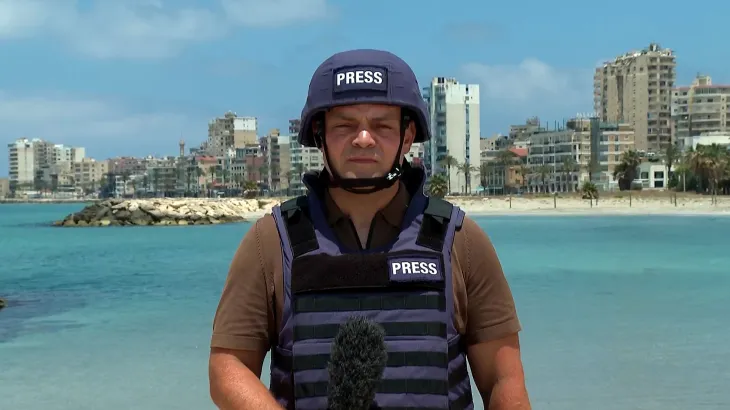
Israel continued its bombing campaign against Hezbollah targets inside Lebanon this week, escalating regional tensions and drawing international concern. The ongoing military actions have heightened concerns about stability in the Middle East, particularly along the volatile Israeli-Lebanese border. The region has a long history of conflict, and the current exchanges threaten to further destabilize an already fragile geopolitical landscape.
Separately, in Kenya, violent protests erupted over a proposed Ebola quarantine center intended for Americans. The demonstrations led to clashes between protesters and authorities, reflecting deep public apprehension regarding the facility and its potential implications for public health and safety. The incident showed the challenges governments face in implementing public health measures, especially when met with strong community resistance.
Escalation in Lebanon
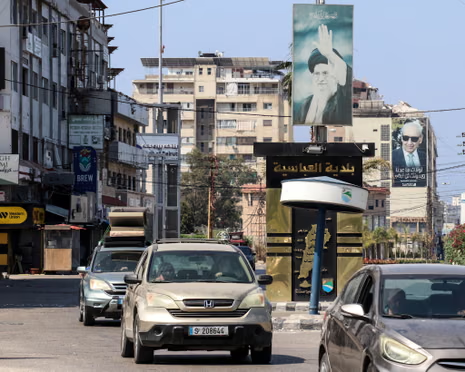
Hezbollah forces fired on Northern Israel over the weekend, prompting a swift and significant response from the Israeli military. In a major development, the Israeli military responded by ordering the entire city of Tyre to evacuate. This directive affects a significant population center in Lebanon, signaling a serious escalation in the ongoing conflict. The city of Tyre, a prominent coastal city in southern Lebanon, is home to a substantial civilian population, and the evacuation order has raised alarms among humanitarian organizations and international observers. Israel's military actions across the border come after an 18-year occupation of Lebanon that began in 1982. The initial occupation involved Israeli forces pushing into Lebanon amid regional instability, a period marked by significant military engagements and political upheaval. Over nearly two decades, Israel maintained a presence in southern Lebanon, citing security concerns along its northern border and aiming to create a buffer zone.
The decision to order the evacuation of Tyre signals a potential broadening of military engagements in the area, moving beyond targeted strikes to impact larger civilian populations. Tyre, historically a significant cultural and economic hub in southern Lebanon, now faces the direct consequences of intensified conflict. The current evacuation order marks a serious escalation, impacting civilians who are now instructed to leave their homes and seek safety elsewhere. The weekend's cross-border fire from Hezbollah and Israel's subsequent response have heightened concerns among international observers about the potential for further destabilization in a region already grappling with numerous challenges. Israeli strikes hit the southern port city of Tyre, a major urban center, causing significant casualties. These strikes killed at least eight people and wounded dozens of others, exacerbating the humanitarian situation and fueling calls for de-escalation from international bodies.
The sustained Israeli military operations inside Lebanon have drawn attention to the long-standing tensions between the two nations. The 18-year occupation that commenced in 1982 profoundly shaped the geopolitical landscape of the region for nearly two decades. That period saw various conflicts and significant political developments within Lebanon, including the rise of various armed groups and shifting political alliances. The current situation, characterized by Hezbollah's recent rocket fire and Israel's evacuation order for Tyre, shows the continued volatility along the border and the deeply entrenched nature of the conflict. Regional stability remains a primary concern as these events unfold, with many fearing a wider regional conflict if tensions are not brought under control. The ongoing military exchanges represent a critical juncture in the complex relationship between Israel and Lebanon, with potential broad consequences for the entire Middle East. Reports indicate that Israeli forces effectively control about a fifth of Lebanon, a significant portion of its territory, further complicating any potential diplomatic solutions.
Global Health and Sports Disputes
Separately from the escalating conflict in the Middle East, global health and sports bodies faced new challenges. Authorities in Kenya reported that police fired warning shots and tear gas to disperse a crowd near a planned Ebola facility, noting the volatile nature of public health interventions when met with community distrust. During the confrontation, one protester was tragically shot and killed, and at least 10 others were detained, showing the severity of the clashes. This incident notes ongoing public resistance to the quarantine center, which local communities fear could bring disease closer to their homes. The proposed facility, intended for Americans, has become a focal point for local grievances and fears, leading to violent confrontations that have drawn international attention to the delicate balance between public health and community concerns.
The global health community continues to grapple with the threat of infectious diseases. In the Democratic Republic of the Congo, at least 115 people are confirmed to have died from Ebola, a stark reminder of the ongoing challenges in containing outbreaks in vulnerable populations. The high death toll in the DRC shows the urgent need for strong public health infrastructure and rapid response mechanisms to prevent further spread and save lives. These outbreaks often occur in areas with limited resources, making containment efforts particularly difficult.
Meanwhile, the world of international sports saw its own disputes and controversies. Iran's Soccer Federation announced that FIFA has revoked its ticket allocation for fans to attend the team's three scheduled matches in the U.S. This decision has sparked outrage among Iranian officials and fans, who view it as a politically motivated move. Several thousand seats are affected by this decision concerning Iran's World Cup matches, impacting a significant number of supporters who had planned to travel to the U.S. To cheer for their national team. The revocation of tickets has led to accusations of discrimination and unfair treatment from Iranian authorities, who claim their fans are being unfairly targeted.
Adding to the controversies, FIFA also removed a Somali referee from the tournament, though reasons for the removal were not immediately specified by the international football governing body. This decision, while not directly linked to the Iranian situation, adds to a narrative of international sporting events being influenced by broader geopolitical currents. The Trump administration imposed new travel restrictions on Somalia last year, adding to the country's international isolation and potentially influencing decisions related to its citizens' participation in global events. Iranian officials, in a separate but related complaint, accused the U.S. Of preventing their supporters from attending World Cup matches. They stated the U.S. Has "taken steps to obstruct the presence of Iranian fans at the stadiums," further escalating the diplomatic tension surrounding the sporting event.
Space Exploration Advances
Amidst these global tensions, advancements in space exploration continue to capture attention. NASA named three U.S. Astronauts and one Italian astronaut for its upcoming space mission, marking a significant step in the agency's human spaceflight program and international collaboration efforts. The announcement notes NASA's commitment to expanding humanity's presence in space through a diverse and highly skilled crew. The selection comes as the space industry faces both advancements and setbacks, showcasing the inherent risks and rewards of venturing beyond Earth. A Blue Origin rocket exploded on a launchpad in Florida less than two weeks ago, noting the inherent risks in space operations and the challenges involved in developing advanced rocket technology. This incident served as a reminder that space exploration, while awe-inspiring, remains a dangerous endeavor.
Despite recent incidents and the inherent dangers, NASA aims to achieve a moon landing as soon as 2028, signaling ambitious long-term goals for lunar exploration and a renewed focus on returning humans to the lunar surface. This ambitious timeline shows the agency's determination to push the boundaries of human achievement in space. The Artemis II mission previously saw astronauts successfully fly around the moon, demonstrating critical capabilities for future deep-space endeavors and proving the reliability of the Orion spacecraft. Building on this progress, the Artemis III crew is scheduled for a two-week mission next year. During this mission, the crew will orbit Earth and practice docking procedures, which are essential preparations for more complex voyages and future missions to the Moon and beyond. These steps show the continued push toward expanding humanity's presence beyond Earth's orbit, with the ultimate goal of establishing a sustainable human presence on the Moon and eventually Mars. NASA aims to ward a moon landing as soon as 2028, showcasing its commitment to lunar exploration and its long-term vision for human spaceflight.
Market Reactions and Broader Context
On Wall Street, stocks ended mixed due to unease over artificial intelligence stocks and the war in Iran. The financial markets reflected the uncertainty generated by both technological shifts and geopolitical conflicts. Investors showed caution regarding the valuation of AI-related companies, leading to fluctuations in the tech sector. The Dow Jones industrial average, a key indicator of the broader market, gained more than 80 points, indicating some resilience in traditional industrial sectors. However, the Nasdaq, heavily weighted with technology stocks, lost ground, falling 250 points, reflecting the specific concerns surrounding artificial intelligence valuations. The S&P 500 also ended the day in negative territory, showing the mixed sentiment across the market and the impact of these various global factors on investor confidence. The war in Iran, a geopolitical event, further contributed to market jitters, as conflicts in oil-producing regions often have ripple effects on global energy prices and supply chains, impacting various sectors of the economy.