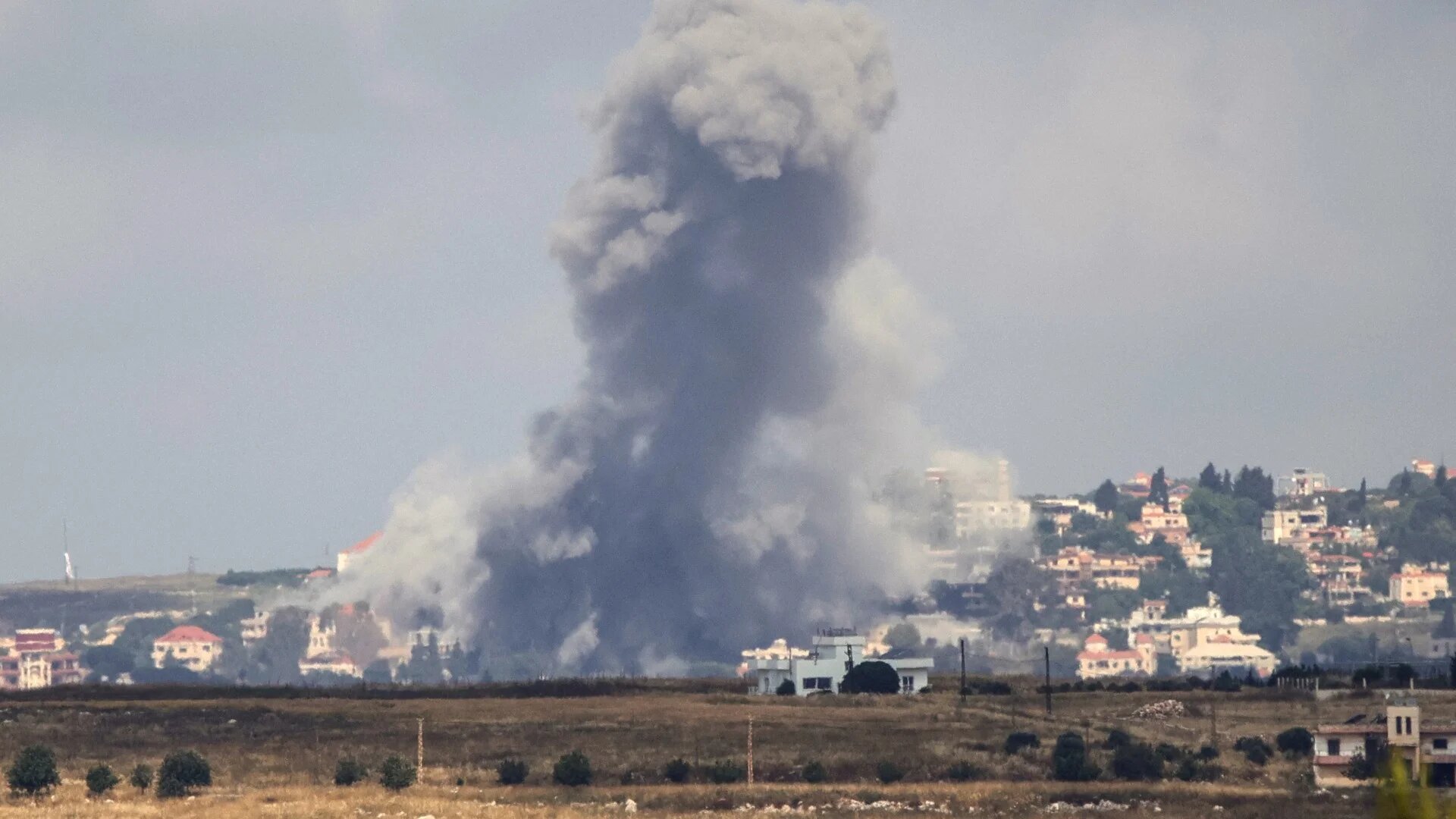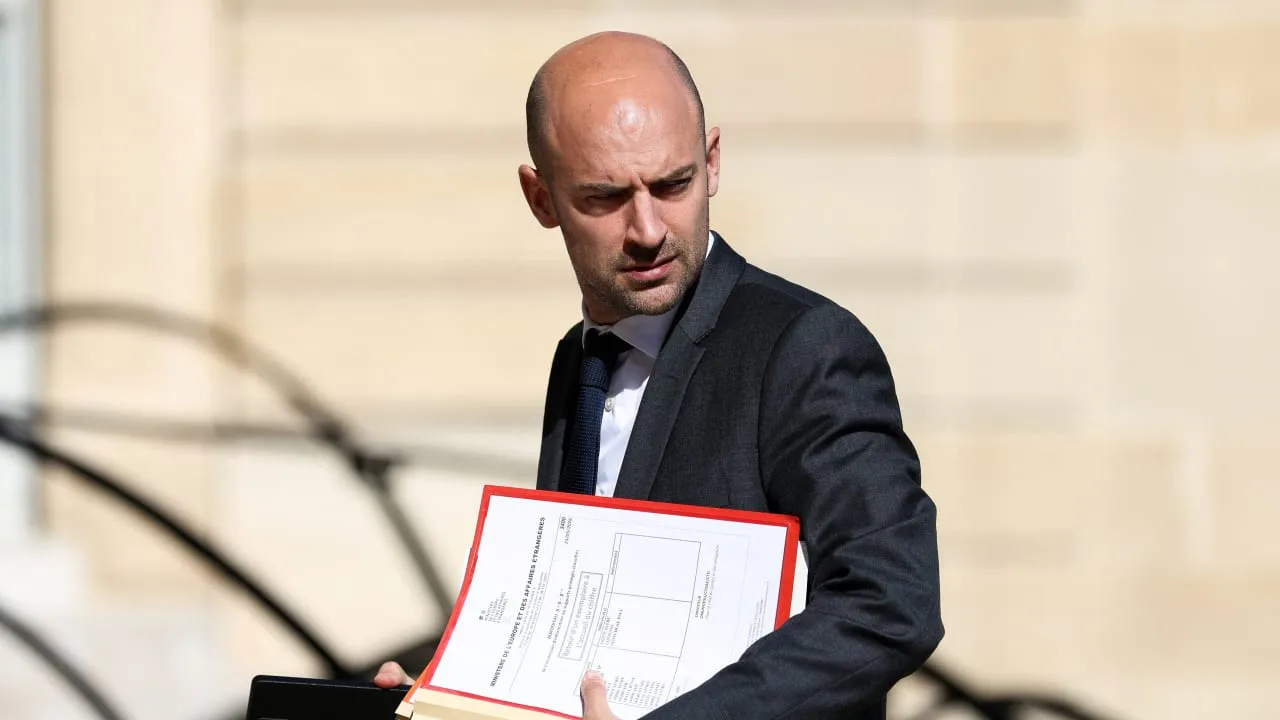
French Foreign Minister Jean-Noel Barrot has called for an emergency meeting of the United Nations Security Council, specifically citing Israel's ongoing military operations in Lebanon. Speaking during an interview with BFMTV, Barrot articulated France's strong disapproval of the current Israeli actions in the region. He stated unequivocally that "nothing can justify the prolongation of (Israel's) military operations in Lebanon and its increasingly deep occupation of Lebanese territory." Barrot further emphasized his concern, adding, "This is a major mistake for Israel." His remarks show France's diplomatic push for de-escalation and a return to stability in the area.
Beyond the immediate conflict, Barrot also noted broader economic impacts stemming from regional instability. He pointed to the daily consequences of the blockade of the Strait of Hormuz, stating, "We feel the consequences of the blockade of the Strait of Hormuz on a daily basis, at the pump, and more generally with its impact on the global economy and on the French economy. So this has to stop." This statement connects the military actions in Lebanon to wider international concerns regarding global commerce and energy markets.
IDF Advances in Southern Lebanon
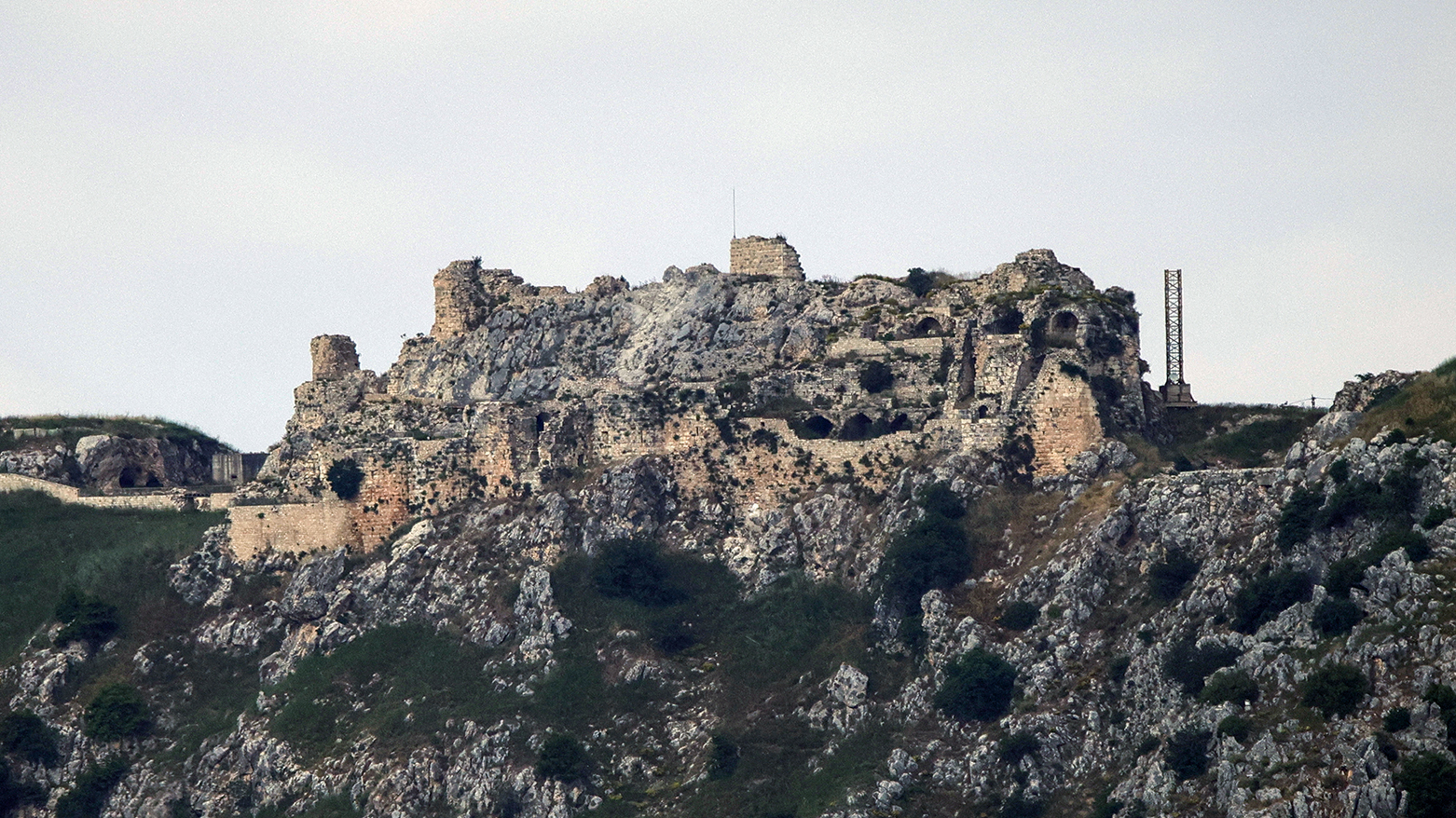
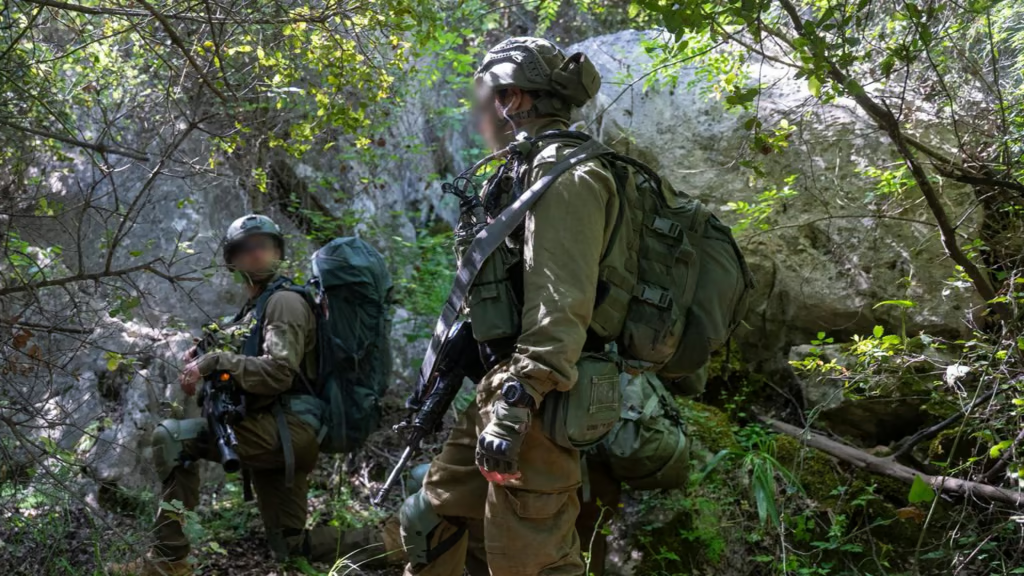
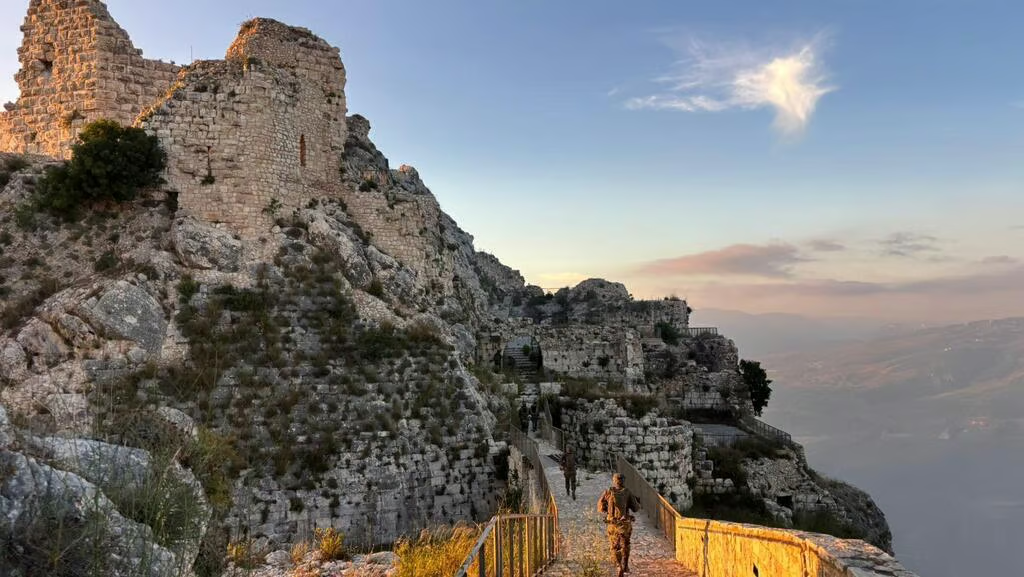
The Israel Defense Forces (IDF) confirmed that its forces had taken control of Beaufort Castle in Lebanon. This strategic development marks the first time Israel has held the historic location since its withdrawal from southern Lebanon in May 2000. Military officials stated the castle is now under IDF operational command, signifying a notable shift in the ongoing military operations within Lebanese territory.
Beaufort Castle, historically recognized as a French Crusader-period fortress in the region, holds significant historical and strategic importance due to its commanding position. The IDF did not specify the intended duration of its presence or fully detail the operational objectives related to the castle's capture. Control of the site represents a tangible expansion of Israeli military presence and a significant development in the current conflict, potentially altering the tactical landscape in southern Lebanon. The re-occupation of such a historically significant site shows the intensity and evolving nature of the military engagement.
Broader Regional Concerns Raised
French Foreign Minister Jean-Noel Barrot also used the opportunity to urge Iran and the United States to reach a peace deal, linking the immediate situation in Lebanon to broader international stability. Barrot cited the daily consequences of the blockade of the Strait of Hormuz, emphasizing its profound impact on global commerce and energy markets. He explicitly stated that "this has to stop," referring to the ongoing disruptions that affect not only regional economies but also global supply chains and consumer prices, including at the fuel pump.
Barrot further indicated that "the planning work is advanced" concerning a mission aimed at guaranteeing freedom of movement through the Strait of Hormuz. This initiative shows France's proactive focus on mitigating the economic fallout from escalating regional tensions. His remarks during the interview with BFMTV noted the intricate interconnectedness of military operations, global economic stability, and international diplomatic efforts. The French official's statements reflect a concerted push for de-escalation and a swift return to open maritime routes in what remains a critical global chokepoint for international trade and energy transport. This diplomatic effort aims to address both the immediate security concerns in Lebanon and the wider economic implications felt across the world.
French Diplomatic Push
France has formally called for a United Nations Security Council meeting specifically regarding Israel's ongoing military operation in Lebanon, demonstrating a heightened level of concern from Paris. French Foreign Minister Jean-Noel Barrot has consistently stated that "nothing can justify the prolongation of (Israel's) military operations in Lebanon and its increasingly deep occupation of Lebanese territory." Barrot, speaking in an interview with BFMTV, explicitly characterized the actions, adding, "This is a major mistake for Israel." His remarks show France's diplomatic push for de-escalation in the region and a return to established international norms.
The French Foreign Minister also connected the Lebanese situation to broader regional concerns, including the significant economic impact of the Strait of Hormuz blockade. France has emphasized the urgent need for a cessation of hostilities and a return to stability in the area, advocating for diplomatic solutions to prevent further escalation and to protect vital international trade routes. The call for a Security Council meeting signals France's intent to bring international pressure to bear on all parties involved, seeking a resolution that ensures regional peace and global economic security.