Former U.S. President Donald Trump has urged Israeli Prime Minister Benjamin Netanyahu to exercise greater responsibility regarding military actions in Lebanon, following a sharp escalation that resulted in the deaths of four Israel Defense Forces (IDF) soldiers. Trump stated that Netanyahu should "be more responsible" in the region. He further remarked, "Without the United States, there would be no Israel," emphasizing the key U.S. Role in Israeli security and regional stability. Trump also criticized Israel's operational tactics, noting, "Too many people have been killed. You don't have to knock down an apartment house every time you're looking for somebody, because there are a lot of people in those apartment houses, and they're not all Hezbollah." This call for caution comes amidst heightened tensions and a series of intense exchanges across the Israel-Lebanon border.
Ministers Demand Lebanon's Destruction
Israel’s far-right ministers have demanded the complete destruction of Lebanon following recent escalations. National security minister Itamar Ben-Gvir stated on Friday that "all of Lebanon must burn." Ben-Gvir further elaborated on social media, "For every tear of an Israeli mother, a thousand Lebanese mothers must weep. All of Lebanon must burn!" He added, "In the Middle East, you don’t win with measured responses and restraint - you need to go beserk. To obliterate." These incendiary remarks show a significant push within certain government circles for a drastic military response to perceived threats from Lebanon.
Finance minister Bezalel Smotrich concurred with this aggressive stance, asserting that it was "time to speak with fire" and "open the gates of hell." Smotrich's statements echoed the sentiment for an overwhelming and decisive military action against Lebanon, indicating a unified hardline front among these influential ministers. These statements come amidst intensified Israeli military operations. At least 18 people were reported to have been killed in Israeli strikes overnight, showing the severe impact of the ongoing conflict. The ministers’ calls reflect a hardline position within the Israeli government regarding the response to regional threats, particularly those emanating from Hezbollah in Lebanon. Their demands for "complete destruction" signal a significant escalation in rhetoric, potentially influencing future military strategies.
Trump Urges Restraint
Former U.S. President Donald Trump has urged Israeli Prime Minister Benjamin Netanyahu to "be more responsible" regarding military actions in Lebanon. Trump stated this to reporters in France during the G7 summit, emphasizing the need for greater caution from the Israeli leader. The former president's remarks came as international concern grows over the potential for a wider regional conflict. Trump also asserted that Israel had been fighting Hezbollah for "too long," indicating a prolonged duration of conflict that requires a different approach. He suggested that the current strategy was not yielding the desired results and was instead contributing to an unsustainable cycle of violence.
Trump further remarked on the critical role of the United States in Israeli security, stating, "Without the United States, there would be no Israel." This statement noted the deep historical and strategic alliance between the two nations, implying that Israel's actions should also consider the broader geopolitical implications and its reliance on U.S. Support. He criticized Israel's operational tactics, noting, "Too many people have been killed. You don't have to knock down an apartment house every time you're looking for somebody, because there are a lot of people in those apartment houses, and they're not all Hezbollah." This criticism specifically targeted methods that result in significant civilian casualties, urging a more precise and restrained approach to military operations in densely populated areas.
This call for restraint from Trump comes as reports indicate that an interim U.S.-Iran deal is designed to halt the wider war in the region. The potential for such a deal suggests a diplomatic pathway to de-escalation, making calls for restraint from international figures like Trump particularly pertinent. However, plans for U.S. And Iranian negotiators to meet in Switzerland on Friday were scrapped, impacting the potential for de-escalation. US Vice President JD Vance confirmed on Thursday that he had dropped plans to attend the talks in Buergenstock, further noting uncertainty surrounding the diplomatic efforts. The cancellation of these high-level talks introduces further instability into the regional dynamics, potentially complicating efforts to contain the conflict between Israel and Hezbollah. The absence of direct engagement between U.S. And Iranian officials at this critical juncture could prolong the current state of heightened tensions.
Hezbollah Retaliation and IDF Strikes
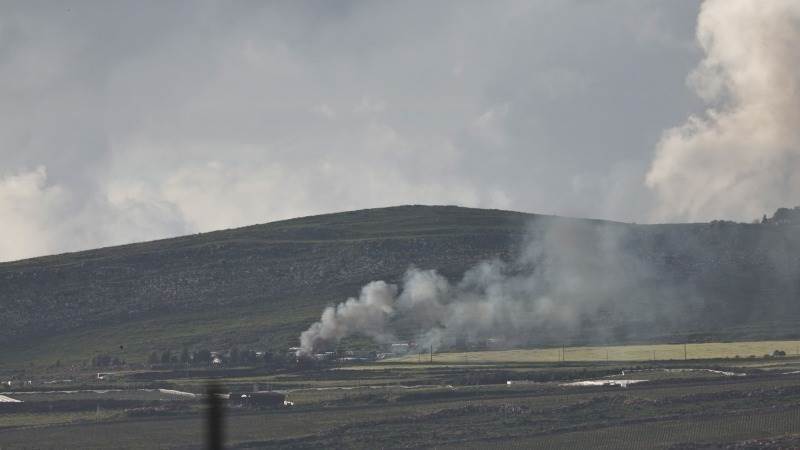
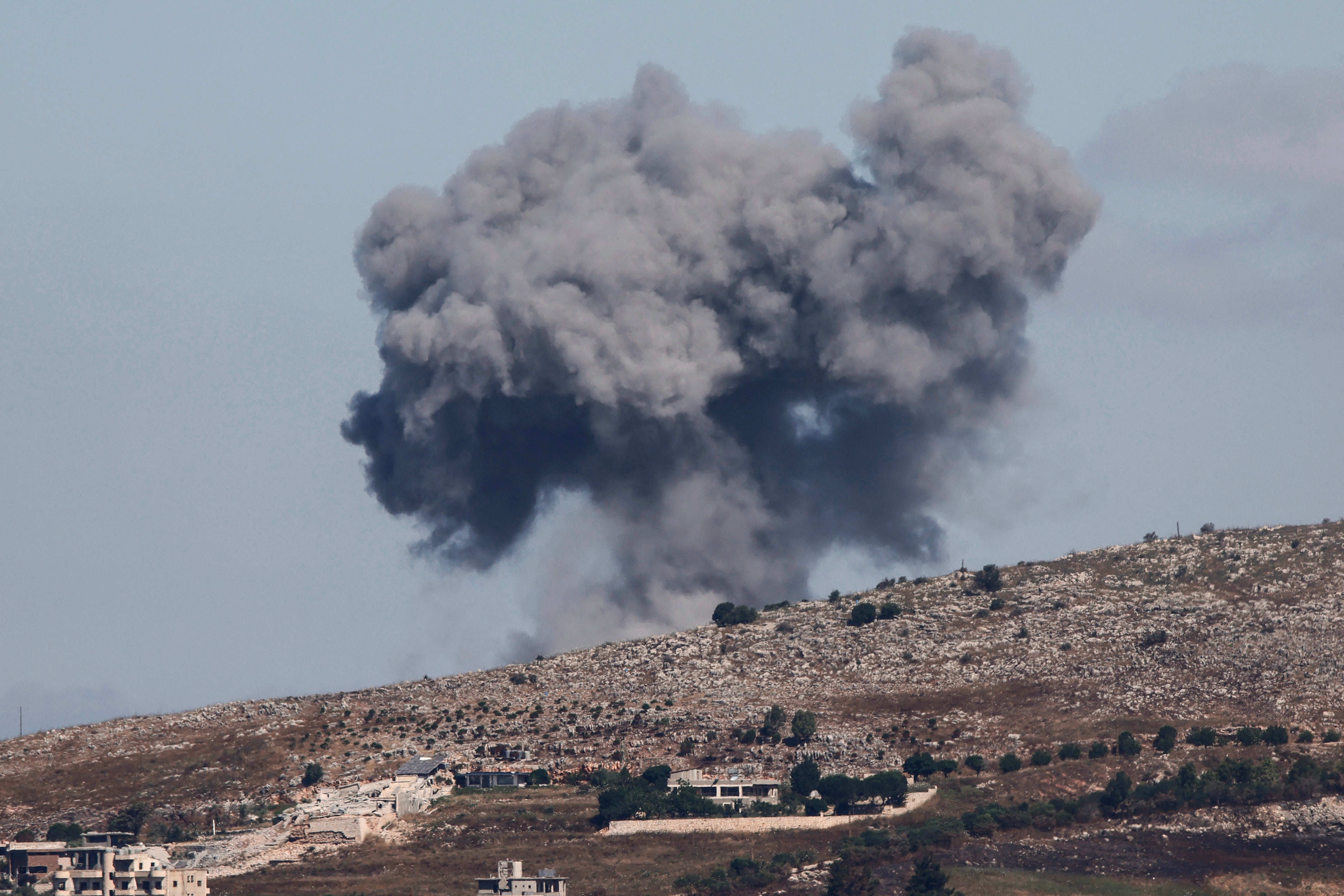
Israeli Prime Minister Benjamin Netanyahu stated he had instructed the Israel Defense Forces (IDF) to strike Hezbollah "with full force" following recent escalations. This directive came in response to the continued rocket and drone attacks from Hezbollah, signaling Israel's determination to respond decisively. The IDF subsequently reported striking more than 80 targets and killing "dozens of terrorists" in its operations. These extensive strikes demonstrate the intensity and breadth of the Israeli military's response, aiming to degrade Hezbollah's capabilities and infrastructure. Among these targets, the IDF confirmed striking Hezbollah headquarters in the Bekaa Valley, located in east Lebanon, earlier this morning. The targeting of such a significant strategic location shows the severity of the Israeli response and its intent to inflict substantial damage on the militant group's command and control centers.
Hezbollah, for its part, claimed to have destroyed three Israeli Merkava main battle tanks. This claim, if verified, would represent a significant operational success for the group and a notable loss for the IDF, noting the sophisticated anti-tank capabilities possessed by Hezbollah. The group also stated that its forces had targeted Israeli troops with both rocket and artillery fire. These actions represent a continuation of the intense exchanges between the two sides, illustrating a persistent and dangerous cycle of attack and retaliation. The ongoing exchange of fire across the border, involving both ground forces and aerial assaults, indicates a rapidly escalating conflict that shows little sign of immediate abatement, further fueling concerns about regional stability. The four IDF soldiers killed amid this sharp escalation with Hezbollah serve as a grim reminder of the human cost of the ongoing hostilities.