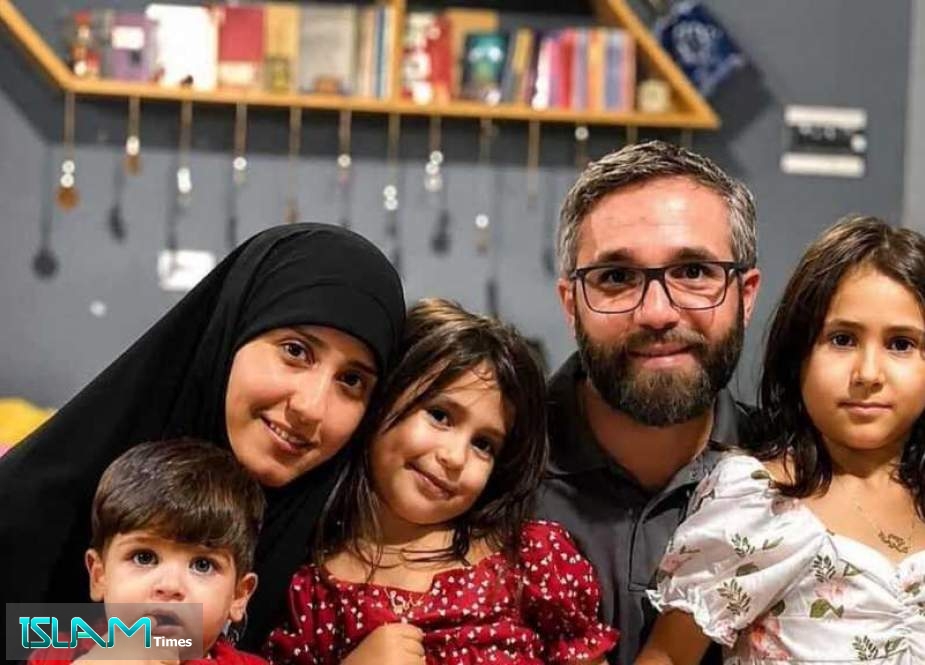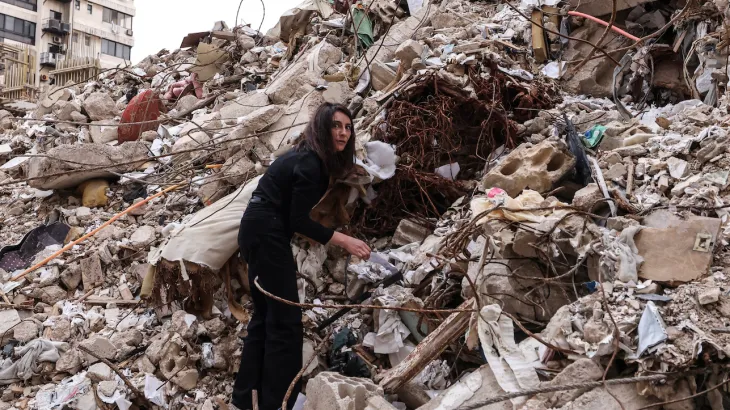
Two childhood neighbours say they are fighting for justice following an Israeli strike on a residential building in Beirut, which resulted in the deaths of five of their relatives. They have initiated efforts to hold those responsible accountable for the fatalities and the destruction caused. The neighbours, who grew up together in the affected area, have expressed their determination to pursue all available legal avenues to ensure that the circumstances of the strike are thoroughly investigated and those deemed culpable face appropriate consequences. Their shared experience of loss and the profound impact on their community have galvanized their resolve to seek redress.
Seeking Accountability
The families of those killed in the Beirut strike are exploring legal avenues to pursue accountability. Their efforts include engaging with international human rights organizations and legal experts to assess potential cases against individuals or entities deemed responsible for the attack. These actions aim to initiate investigations into the circumstances surrounding the strike that killed their relatives. The families' representatives have showed the importance of a careful and impartial investigation to uncover the full truth behind the incident. They believe that such an inquiry is key not only for their own pursuit of justice but also to prevent similar tragedies in the future and uphold the principles of international law.
The families' representatives have indicated their intent to compile full dossiers of evidence, including witness testimonies, forensic reports, and photographic documentation of the aftermath. These dossiers are expected to form the basis of any future legal proceedings. The collection of this evidence is a painstaking process, involving collaboration with local community members and international support networks to ensure accuracy and completeness. While specific legal venues have not been publicly disclosed, discussions are reportedly underway regarding international courts and domestic jurisdictions that might accept such cases. The process is anticipated to be complex, requiring sustained international attention and legal support, given the geopolitical sensitivities surrounding the conflict. The families are committed to a long-term fight, understanding that achieving justice in such circumstances often demands persistent effort and significant resources.
Broader Context of Strikes
The attack in Beirut occurred hours after a US-Iran ceasefire announcement last month. Following this announcement, Israel launched one of its largest waves of strikes across Lebanon. This specific incident in Beirut was part of a broader escalation that saw multiple targets hit across the country. The timing of these strikes, immediately after a significant diplomatic development, has been a point of concern for international observers. The incident is part of a wider series of military actions impacting the region, which have intensified in recent weeks, contributing to an already volatile security situation. The scale and coordination of these strikes suggest a significant military operation, raising questions about the rules of engagement and the protection of civilian infrastructure.
The Human Cost
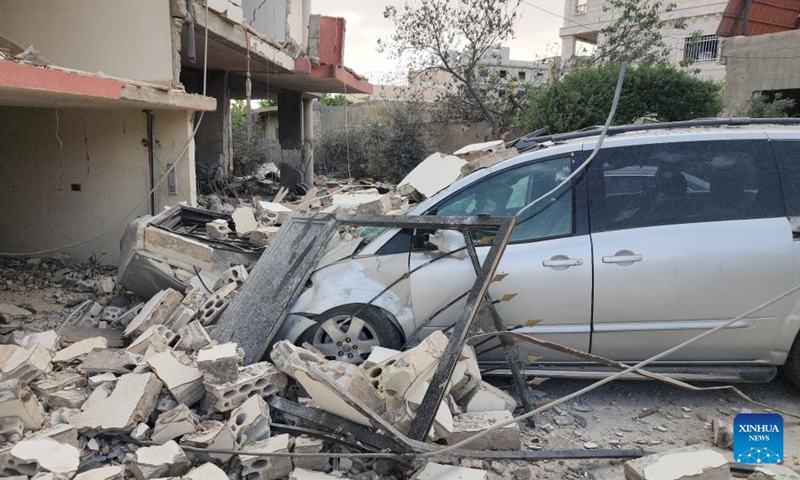
The human toll of the recent Israeli strikes across Lebanon has prompted widespread calls for an end to hostilities and renewed focus on civilian protection. Residents in Beirut reported significant damage to residential areas, with emergency services responding to multiple sites where buildings were destroyed or severely impacted. Many families have been displaced from their homes, losing not only their loved ones but also their livelihoods and sense of security. The United Nations has expressed deep concern over the escalation of violence, reiterating calls for all parties to respect international humanitarian law, which strictly prohibits targeting civilians and civilian infrastructure.
Humanitarian organizations are working tirelessly to assess the full extent of the damage and provide assistance to those displaced or affected by the sustained military actions. This includes providing emergency shelter, food, medical aid, and psychological support to individuals grappling with trauma and loss. Many families are now grappling with the loss of loved ones and the destruction of their homes, facing an uncertain future amidst the ongoing instability. This situation has intensified pleas from international bodies for a de-escalation of conflict to prevent further civilian casualties and humanitarian crises, emphasizing the urgent need for a diplomatic resolution to the escalating violence. The long-term consequences of these strikes on the affected communities are expected to be profound, impacting social cohesion and economic recovery for years to come.