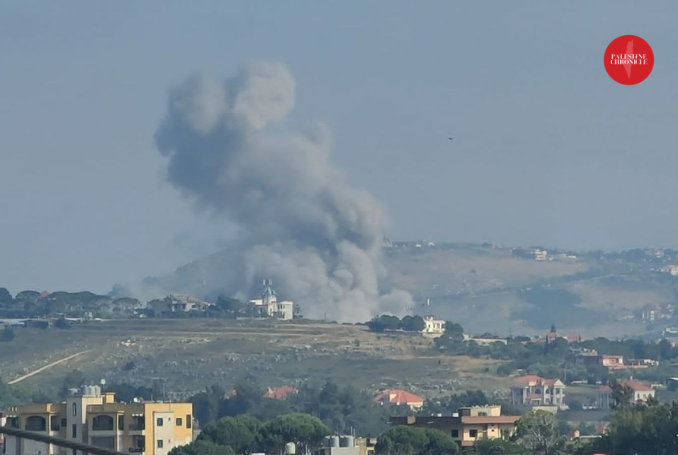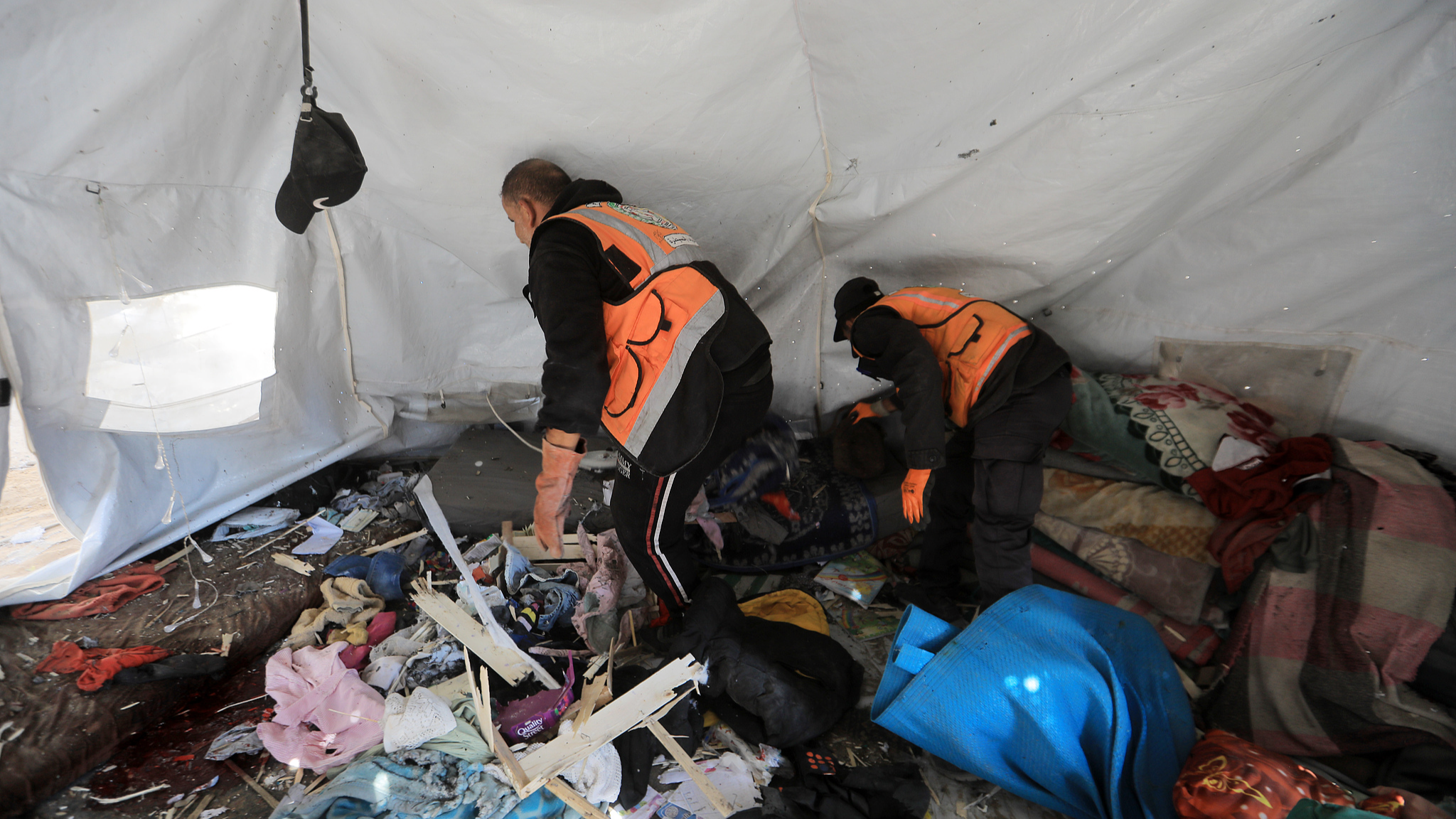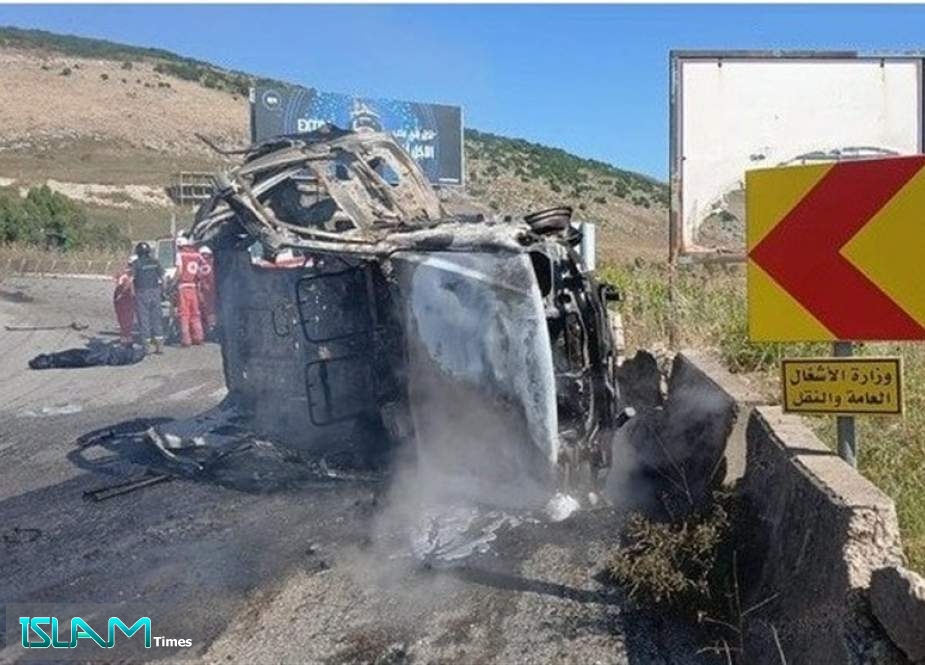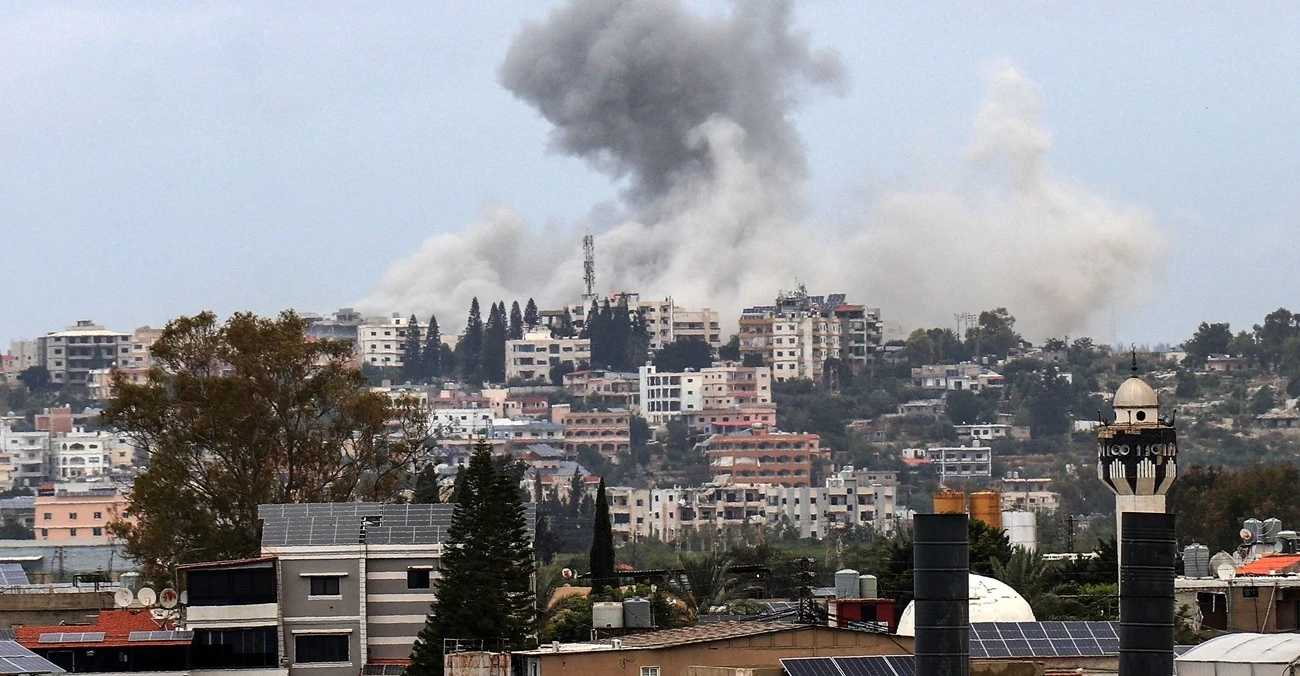
Israeli strikes targeted southern and eastern Lebanon on Sunday, May 24, 2026, reportedly killing at least three individuals and wounding others. According to reports, two Syrians were killed and a third person wounded in an Israeli drone strike that hit a motorcycle on the Wata Abba road, located between Abba and Al-Dweir. Another person was killed in a separate strike on a motorcycle on the Zefta road, while two additional individuals were wounded in an attack in Al-Shahabiyeh. Israel’s military has continued to strike what it says are Hezbollah targets in Lebanon amidst ongoing regional tensions.
Escalation in Southern Lebanon
Lebanese media reported air, drone, and artillery attacks across the districts of Tyre, Bint Jbeil, and Jezzine. Reports also indicated a drone flew at low altitude over Beirut's southern suburb, Dahiyeh, prompting Israeli Finance Minister Bezalel Smotrich to post "Dahiyeh!" on the social media platform X. Israeli officials had previously warned of strikes on Dahiyeh if attacks on northern Israel continued. The day before, an Israeli strike on Al-Saksakiyeh in Saida district killed two women and wounded 22 people, including three children and a woman, according to Lebanon's Health Ministry. Another strike on Jwaya killed three members of one family and wounded another person. On Saturday, May 23, 2026, 11 people were killed and nine wounded, including four children and a woman, in a single raid on Sir al-Gharbiyeh, Lebanon. An overnight Israeli strike also destroyed Lebanon’s civil defence agency’s regional facility in Nabatieh.
Hezbollah's Response and Claims
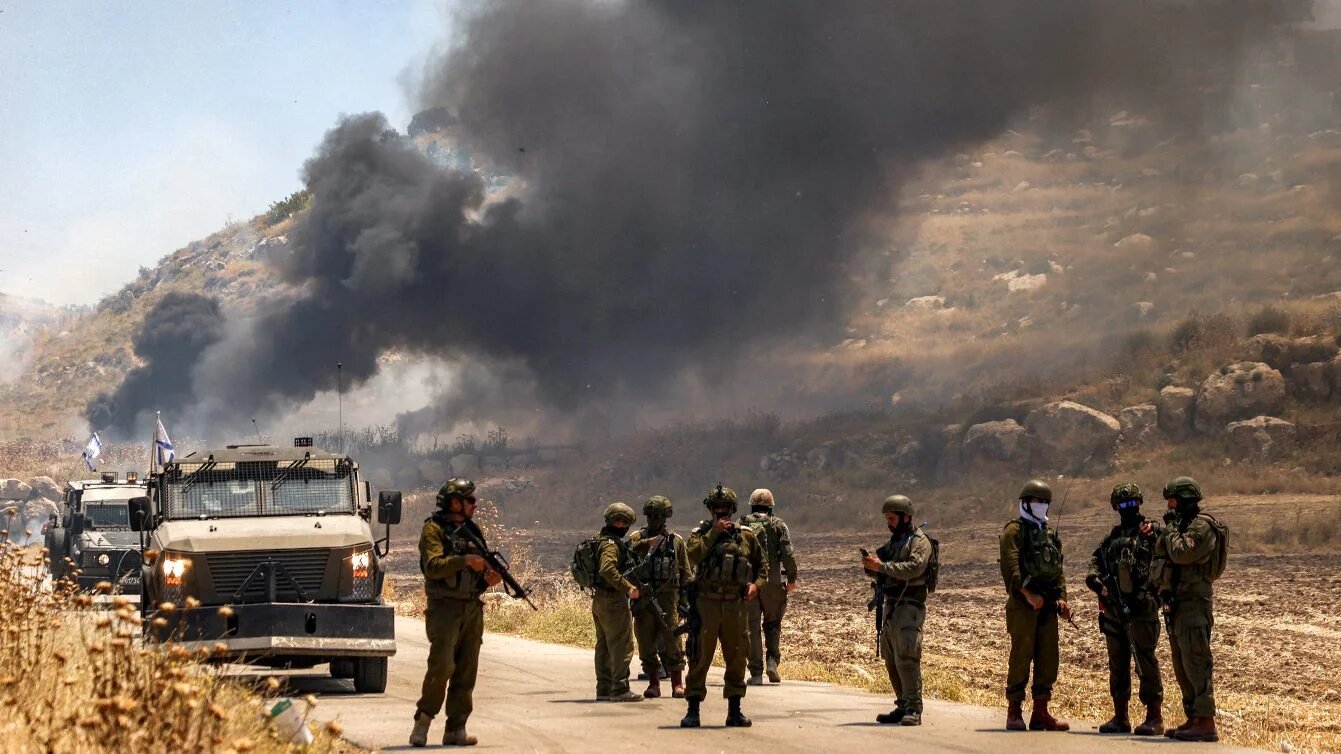
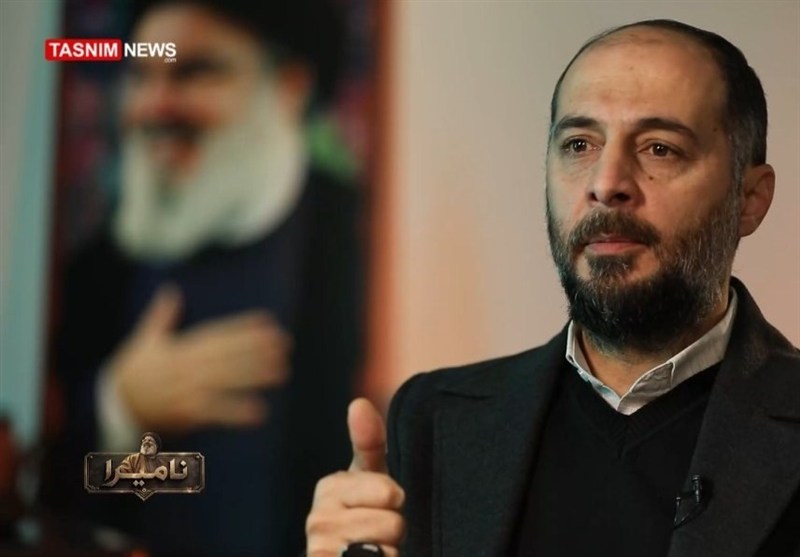
Hezbollah announced five operations on Sunday, targeting a Merkava tank and Israeli troop concentrations near Hadatha. According to the group, these included gatherings of soldiers and vehicles around Yohmor Al-Shaqif with rockets and artillery, and an Israeli army command headquarters in Al-Naqoura with an attack drone. Hezbollah has maintained attacks on Israeli targets in southern Lebanon and across the border, including firing rockets on Sunday at Israeli troops operating on Lebanese territory. Hezbollah lawmaker Hassan Fadlallah stated that "major transformations are taking place in the region," adding that his group "has made its agreement with the United States conditional on stopping the war in Lebanon." On Saturday, Hezbollah said its chief, Naim Qassem, had received a message from Iran’s foreign minister, Abbas Araghchi, emphasizing "the demand to include Lebanon" in the broader ceasefire. Qassem said there would be no "capitulation," but added he hoped "this agreement will be finalised and there are signs of its completion, and accordingly that we too will be among those included in this agreement – an agreement of a full cessation of hostilities." Hezbollah drew Lebanon into the Middle East war on March 2, 2026, with rockets fired at Israel.
Ceasefire Framework and Rejections
A ceasefire framework was announced in Washington on June 3 following direct Lebanese-Israeli negotiations, which Lebanese authorities recently began under US auspices. The proposal conditions a complete ceasefire on a halt to Hezbollah attacks and the withdrawal of its operatives from south of the Litani River. Hezbollah Secretary-General Naim Qassem rejected the framework, stating there would be no "capitulation." However, he also expressed hope that "God willing, this agreement will be finalised and there are signs of its completion, and accordingly that we too will be among those included in this agreement – an agreement of a full cessation of hostilities." President Joseph Aoun called the framework Lebanon's "final chance" to end the war. According to Hezbollah lawmaker Hassan Fadlallah, Iran has made its agreement with the United States conditional on stopping the war in Lebanon, echoing a previous statement. Under the terms of the ceasefire published by Washington, Israel reserves the right to act against "planned, imminent or ongoing attacks."
Broader Regional Context
The Lebanese Health Ministry reported that Israeli attacks between March 2 and June 6 had killed 3,593 people and wounded 10,990 others, including women and children. A ceasefire in the Israel-Hezbollah conflict, which began on April 17, 2026, was recently extended for several weeks. US Secretary of State Marco Rubio accused Hezbollah of trying to plunge Lebanon "back into chaos" through a "reckless call to overthrow Lebanon’s democratically elected government." Meanwhile, Israeli troops are operating inside an Israeli-announced 'yellow line' that extends approximately six miles (10km) into Lebanon’s southern border.