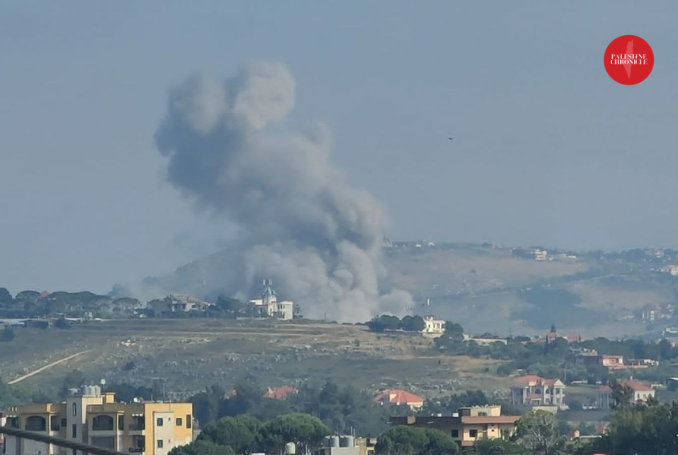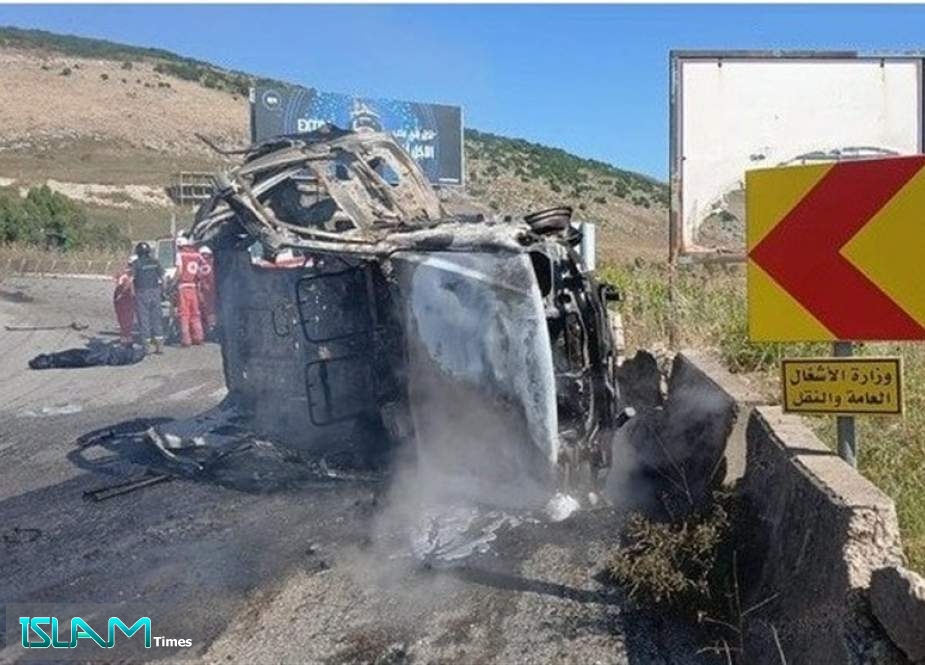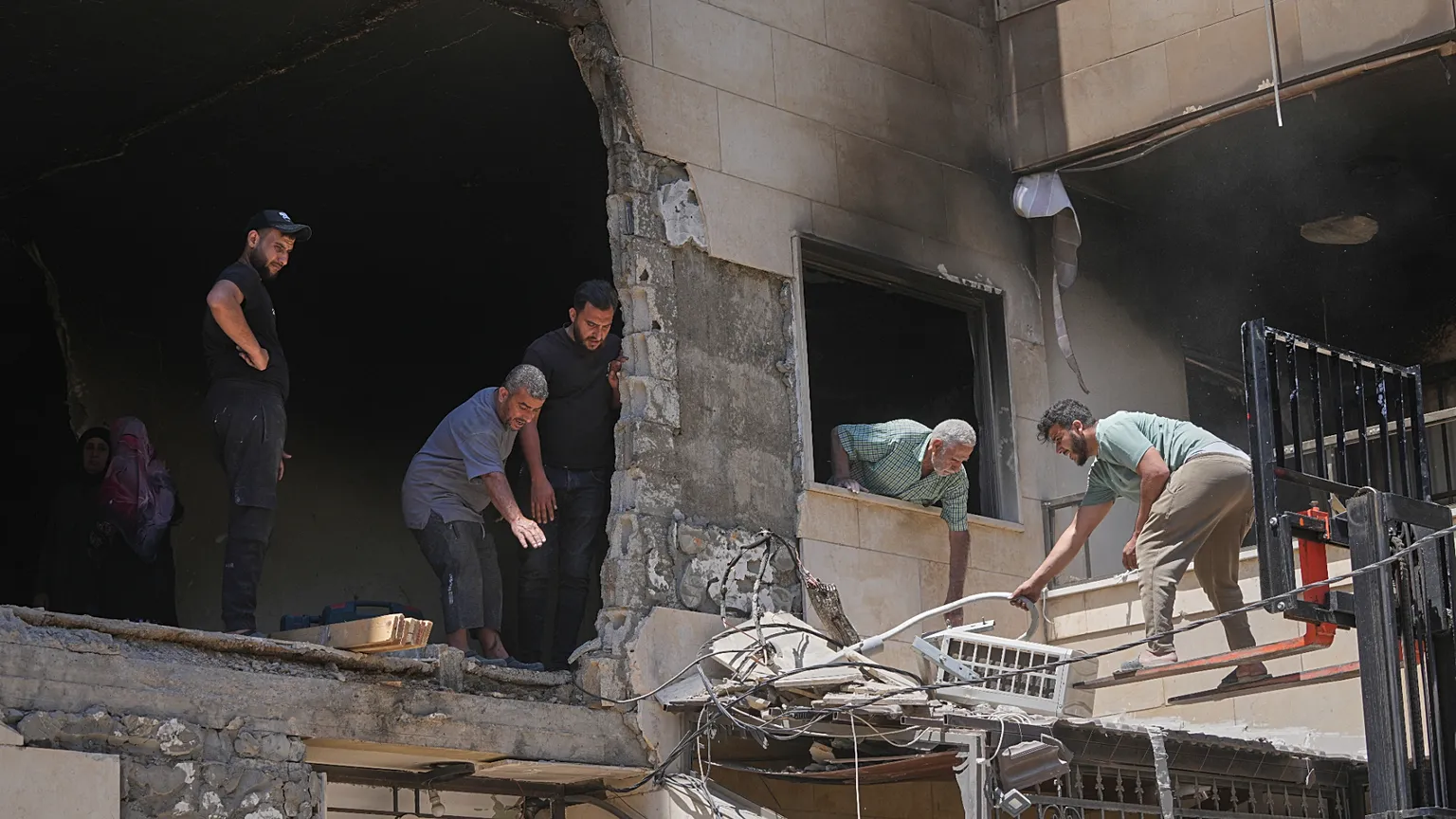
At least five people, including two civilians and three soldiers, were killed in two separate Israeli strikes in Lebanon this week, one targeting the village of As-Saksakiyah and another hitting a vehicle. The fatalities show escalating regional tensions across the Middle East, a region grappling with multiple, interconnected conflicts and diplomatic maneuvers. The incidents in Lebanon occurred as the broader Iran conflict reached its 100th day, noting a prolonged period of heightened instability.
The Israel Defense Forces (IDF) acknowledged hitting a vehicle carrying Lebanese military personnel. Reports indicated the vehicle was struck in the vicinity of As-Saksakiyah, a coastal town in southern Lebanon, where two civilians also died. The strikes come amid heightened cross-border exchanges, which have become a regular feature of the security landscape in recent months.
Lebanon Strikes Detailed
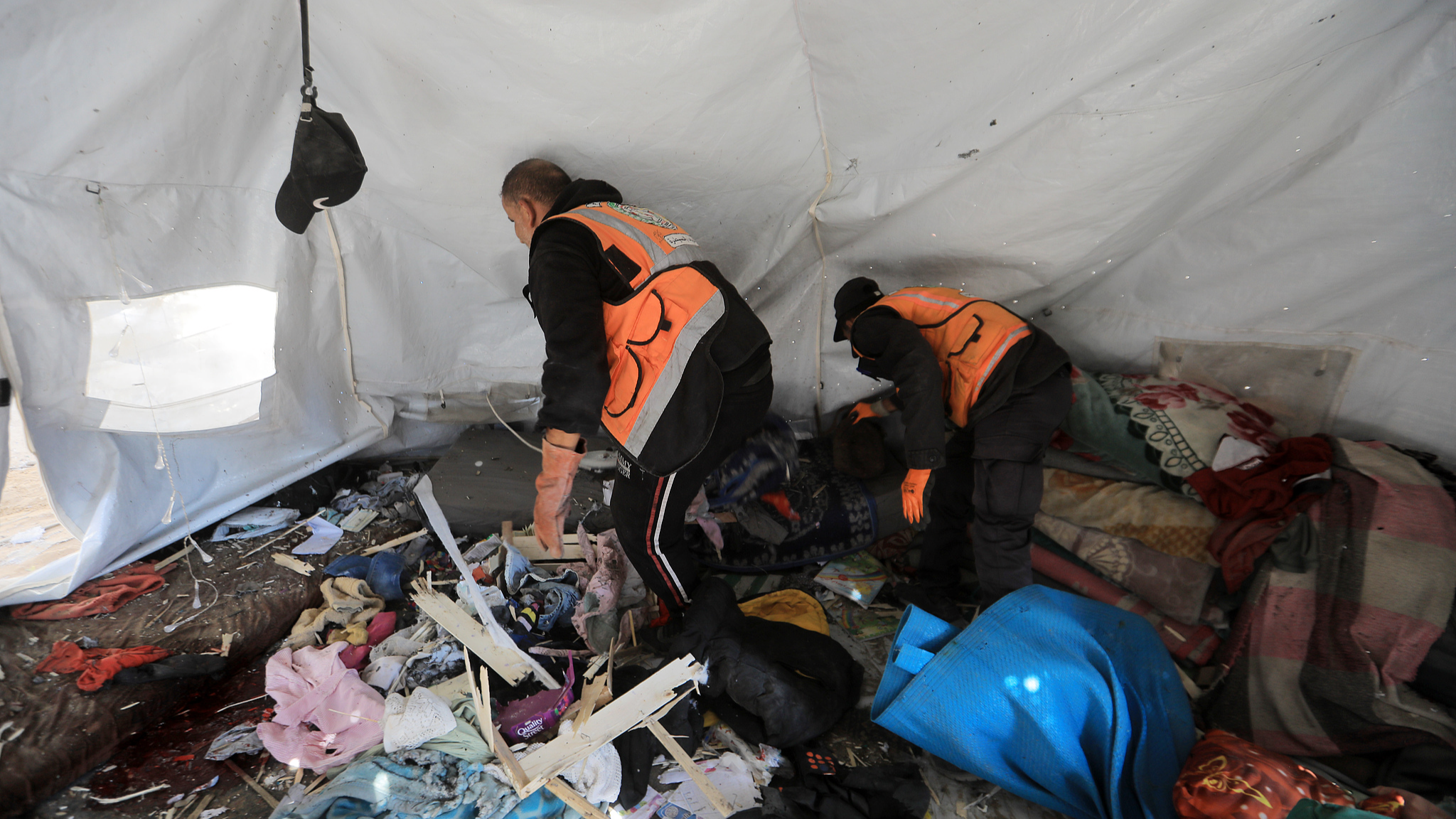
In addition to the fatalities reported, 22 other individuals were wounded during the strikes, including three children. The incidents in Lebanon occurred as the broader Iran conflict reached its 100th day, marking a significant period of sustained regional tension. The Israel Defense Forces (IDF) previously confirmed striking a vehicle carrying Lebanese military personnel. Reports indicated the vehicle was hit near As-Saksakiyah, a coastal town in southern Lebanon, where two civilians also died. The strikes took place amid ongoing cross-border exchanges, which have intensified in recent weeks.
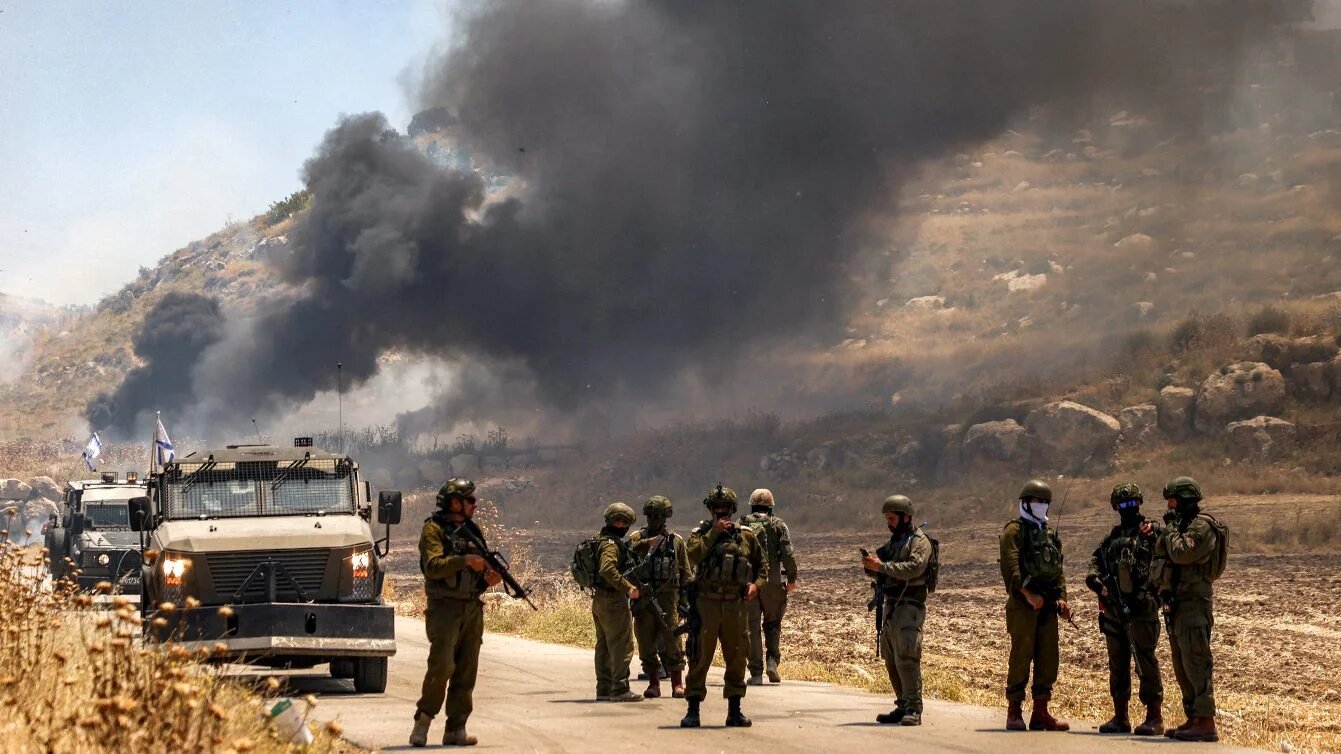
The violence has drawn attention to the wider regional stability, as the implications of these localized conflicts reverberate throughout the Middle East. The number of wounded, including minors, further illustrates the impact of the strikes on the civilian population in southern Lebanon, raising concerns about humanitarian consequences. The milestone of the Iran conflict's 100th day notes the prolonged period of heightened tensions across the Middle East, with various actors involved in a complex and interconnected series of events. Military operations and retaliatory actions have become a regular feature of the situation, contributing to a cycle of violence that international bodies are struggling to contain. The strikes in Lebanon are seen in the context of these broader regional dynamics, where local skirmishes can quickly escalate and draw in other regional and international players. The IDF has maintained that its operations are aimed at addressing security threats emanating from Lebanese territory, asserting its right to self-defense. The Lebanese government has, conversely, condemned the attacks as flagrant violations of its sovereignty and international law, calling for an immediate cessation of hostilities. The international community has consistently called for de-escalation to prevent a wider conflict, emphasizing the need for restraint from all parties. The situation remains volatile, with concerns about further civilian casualties and the potential for a more significant regional conflagration that could have broad consequences.
Broader Middle East Context
Beyond the immediate conflict in Lebanon, the broader Middle East is experiencing a complex interplay of diplomatic efforts and military posturing. Iran’s state television claimed Iranian forces had downed a U.S. Aircraft near Bushehr, citing its governor Masoud Tangestani, though a U.S. Official swiftly stated that no U.S. Aircraft were shot down and all U.S. Air assets remained accounted for. These claims emerged as reports from Reuters and Axios indicated that the United States and Iran had agreed on terms to extend their ceasefire and lift restrictions on shipping through the Strait of Hormuz. The Strait of Hormuz is a critical chokepoint for global oil shipments, making any agreement regarding its transit significant for international trade and energy security. The agreement, pending U.S. President Donald Trump's approval, involved a 60-day memorandum of understanding allowing for "unrestricted" transit and the removal of Iranian mines within 30 days. However, Iran's IRGC-linked Tasnim News agency denied these reports, stating that the terms had not been finalized, introducing uncertainty into the reported diplomatic breakthrough.
U.S. Vice President JD Vance confirmed that Washington was "not there yet" with Iran on an agreement but suggested the parties were close to reaching a consensus. Vance stated there were a couple of sticking points in talks with Tehran concerning its enriched uranium stockpile and the question of enrichment, which remain central to international concerns about Iran's nuclear program. According to Tasnim, Iran has yet to inform Pakistani mediators that the text of a memorandum of understanding between the sides has been finalized, indicating that negotiations are still ongoing and require further deliberation. Vance added, "It's hard to say exactly when or if the president is going to sign the MOU. We're going back and forth on a couple of language points," showing the delicate nature of the diplomatic process and the need for precise wording in such critical international agreements. Despite the remaining issues, Vance remarked, "I can't guarantee that we're going to get there, but right now I feel pretty good about it," expressing cautious optimism about the potential for a resolution. In related diplomatic activity, Pakistan's Foreign Minister Ishaq Dar is scheduled to meet U.S. Secretary of State Marco Rubio in Washington on Friday, indicating ongoing international efforts to mediate and address regional challenges. These high-level meetings are key for fostering dialogue and seeking diplomatic solutions amidst the prevailing tensions.
UN Blacklist and Sanctions
In a separate development impacting regional actors, sanctions approved by the European Union against several Israeli settler groups and far-right figures accused of involvement in violence against Palestinians in the West Bank took effect on Thursday. These EU sanctions target the settlement organization Amana, which plays a significant role in expanding Israeli settlements; the far-right settler group Nachala and its leader, Daniella Weiss, known for their advocacy of settlement expansion; and the West Bank settler security group Hashomer Yosh, along with its former CEO, Avichai Suissa, who have been implicated in security incidents. The right-wing organization Regavim and its director, Meir Deutsch, which focus on land rights and legal challenges related to Palestinian construction, are also included in the sanctions. The measures impose an asset freeze on these entities and individuals, and prohibit making funds or economic resources available to the listed persons and entities, either directly or indirectly, thereby aiming to restrict their financial operations and support networks. A travel ban was also placed on the individuals listed in the sanctions, preventing them from entering EU member states. The European Council will also broaden the scope of its sanctions on Hamas and the Palestinian Islamic Jihad to cover 10 members of Hamas' Political Bureau, signifying an expanded effort to target the leadership of these organizations.
Separately, Israel's UN mission in New York is cutting off contact with United Nations Secretary General António Guterres. This decision follows Israel's placement on a UN blacklist, where it is accused of using sexual violence as a weapon of war. Israeli institutions have been included in the annex of an annual report on sexual violence in conflict, which is compiled by the Secretary-General's office and notes grave violations in conflict zones globally. Israel is reportedly upset that its security services are being added to the UN's blacklist regarding sexual violence in conflict zones, viewing the inclusion as a significant blow to its international standing and a misrepresentation of its military conduct. The same list also includes Hamas and Islamist terror groups who participated in the October 7 attacks, placing them alongside Israeli entities in the context of sexual violence allegations. This move by the UN has sparked strong reactions from Israel, further straining its relationship with the international body at a time of heightened scrutiny over its military operations.