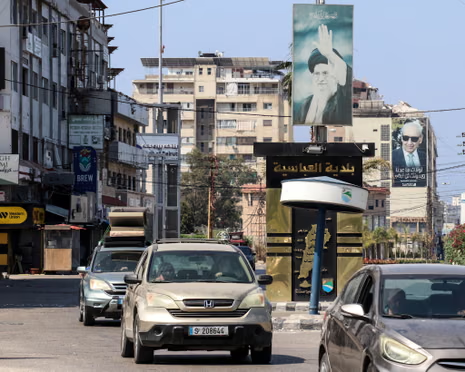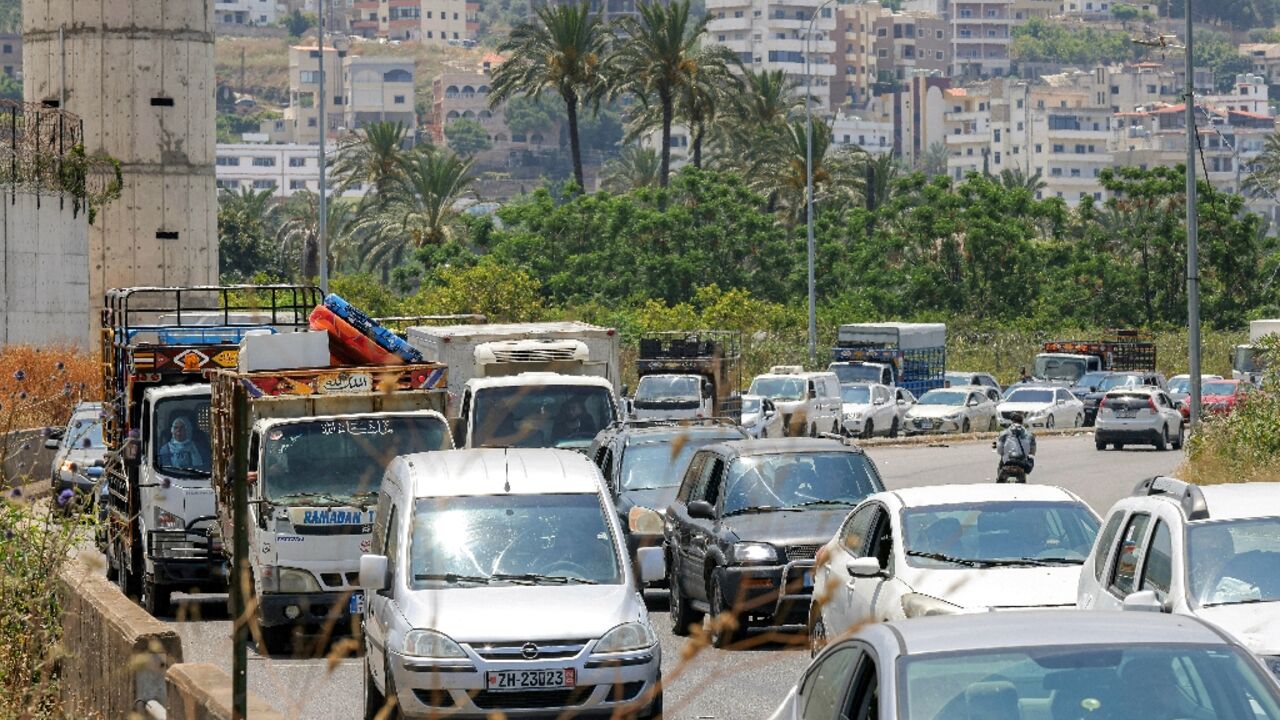
The Christian quarter in Tyre, a historically significant area located in south Lebanon, was emptied on Tuesday after its residents received explicit warnings from the Israeli army to evacuate. This significant development marked the first instance of the Israeli military directly instructing inhabitants of this specific Christian-majority neighborhood to leave their homes. The directive sent a clear message, prompting a rapid and widespread departure from the area, which has now become central to the ongoing conflict.
The evacuation shows the escalating tensions and the broadening scope of military operations in southern Lebanon. For many residents, the explicit warning from Israeli forces represented a critical turning point, indicating a potential intensification of hostilities in a region already ravaged by conflict. The sudden displacement of an entire community from a quarter that has long been a fixture of Tyre's diverse urban landscape notes the profound human cost of the current situation.
Escalating Violence in Tyre
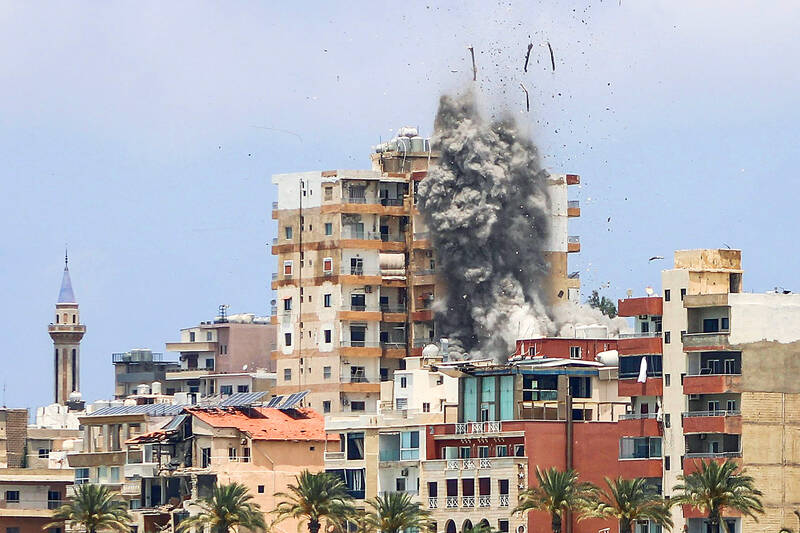
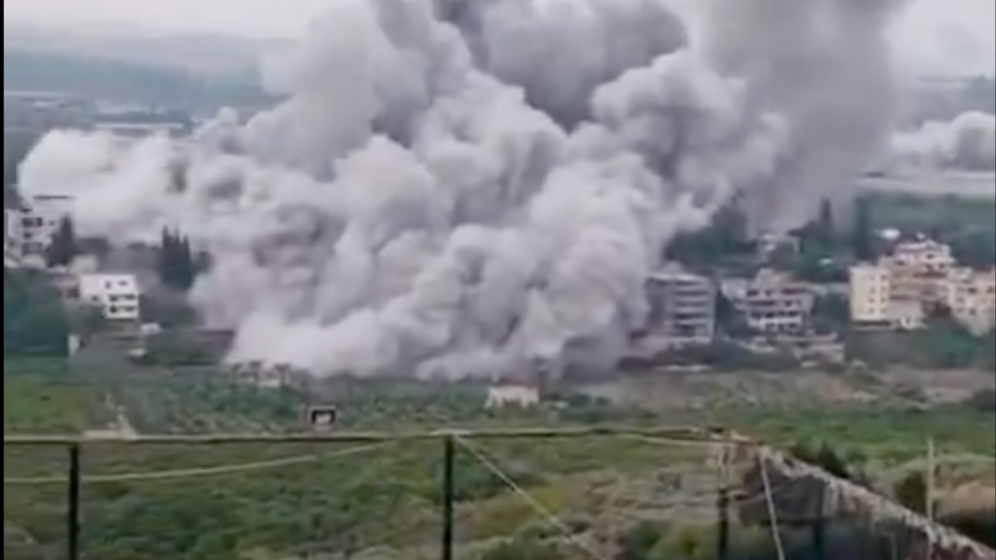
Israel has heavily bombarded Tyre since Hezbollah drew Lebanon into the Middle East war on March 2. The intensity of these bombardments has steadily increased, transforming parts of the city into active zones of conflict. Lebanon's state-run National News Agency reported Israeli airstrikes on Tyre occurring even after the recent warning was issued to residents, indicating a sustained military campaign. Before this latest warning, a particularly devastating strike on Tyre killed eight people, according to reports from Lebanon's health ministry, showing the lethal consequences faced by the civilian population.
The Israeli military had previously issued repeated evacuation warnings for most of the Shia-majority city, extending these directives to various neighborhoods and districts. These earlier warnings included a significant one issued after a ceasefire on April 17, suggesting a pattern of sustained pressure on the city's inhabitants. The cumulative impact of these warnings and the continuous shelling has been devastating. Israeli attacks have killed more than 3,600 people in Lebanon since March 2, a grim statistic that reflects the severity of the conflict. Lebanese authorities state that more than a million people have been displaced in Lebanon since March 2 due to the ongoing conflict, creating a widespread humanitarian crisis. The continuous shelling and the persistent issuance of warnings have significantly impacted the civilian population and infrastructure in this vital southern Lebanese city, disrupting daily life and forcing countless individuals to abandon their homes and livelihoods.
Context of the Warning and Strategic Importance
The Christian quarter in Tyre, now emptied, had been serving as a key refuge for thousands of individuals displaced from border villages amid the recent conflict between Israel and Hezbollah. These internally displaced persons (IDPs) had sought safety within Tyre's urban center, believing it to be a relatively secure location away from the immediate frontline. The current evacuation thus adds another layer of displacement to an already vulnerable population, forcing them to seek new shelters once more.
Last week, the Israeli military claimed that Hezbollah members were operating within the Christian quarter itself. This assertion was accompanied by a clear threat: the military stated it would issue warnings for people to evacuate if the group continued its presence in the area. This explicit warning directly foreshadowed Tuesday's events, indicating a deliberate strategy by Israeli forces to target areas where they believe Hezbollah operatives are active, even if those areas are densely populated civilian neighborhoods. The Israeli military's posture suggests a heightened focus on eliminating perceived threats within urban centers, further escalating the risk for non-combatants.
Tyre is recognized as one of the oldest cities situated on the Mediterranean coast and stands as one of southern Lebanon's largest urban centers. Its strategic location and historical depth make it a significant target in any regional conflict. The city is also notably home to several UNESCO World Heritage-listed ruins, noting its immense historical and cultural significance. These ancient sites, which include Roman-era hippodromes and necropolises, are not only invaluable cultural assets but also serve as a reminder of Tyre's enduring legacy as a crossroads of civilizations. The threat of damage to these irreplaceable heritage sites adds another dimension of concern to the ongoing military operations in the area. The city's long history, dating back to Phoenician times, shows its importance beyond the current geopolitical struggles.
Residents' Fear and Flight
Following the direct and explicit instruction from the Israeli army for residents of Tyre's Christian-majority neighborhood to evacuate, a mass exodus ensued. This directive, delivered with undeniable urgency, left inhabitants with little choice but to depart immediately. Faced with the stark reality of potential military action, most inhabitants swiftly departed Tyre, seeking refuge in other Lebanese cities further north. The fear of being caught in the crossfire or becoming casualties of intensified bombardment was palpable among those who left.
Many families and individuals traveled north to Sidon, a major coastal city situated approximately 30 kilometers from Tyre, which offered a relatively closer haven. Sidon, with its larger infrastructure and greater distance from the immediate conflict zone, became a primary destination for those fleeing the danger. Others, seeking even greater distance and perceived safety, continued further to Beirut, the capital city of Lebanon. The journey for these displaced individuals was often fraught with uncertainty, as they left behind their homes, possessions, and the familiar routines of their lives. The warnings from Israeli forces have, therefore, prompted a significant and rapid displacement of the local population, adding to the already large number of internally displaced persons across Lebanon. The humanitarian consequences of such large-scale movements are profound, placing immense strain on host communities and aid organizations.