Children in Lebanon are experiencing an average of 11 casualties daily, with children either killed or wounded every 24 hours over the past week, according to recent data. The figures show the severe impact of ongoing conflict on the country's youth. This grim statistic notes the continuous danger faced by the youngest population amidst broader hostilities. The alarming rate of child casualties paints a stark picture of the humanitarian crisis unfolding in the country, where the lives of innocent children are repeatedly jeopardized by the persistent violence. These daily incidents contribute to a growing toll of young lives affected by the conflict, marking a profound tragedy for families and communities across Lebanon.
Escalating Violence Amidst Cease-fire
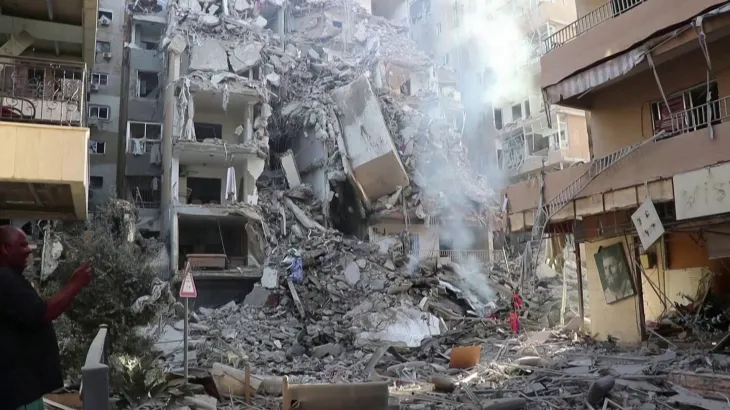
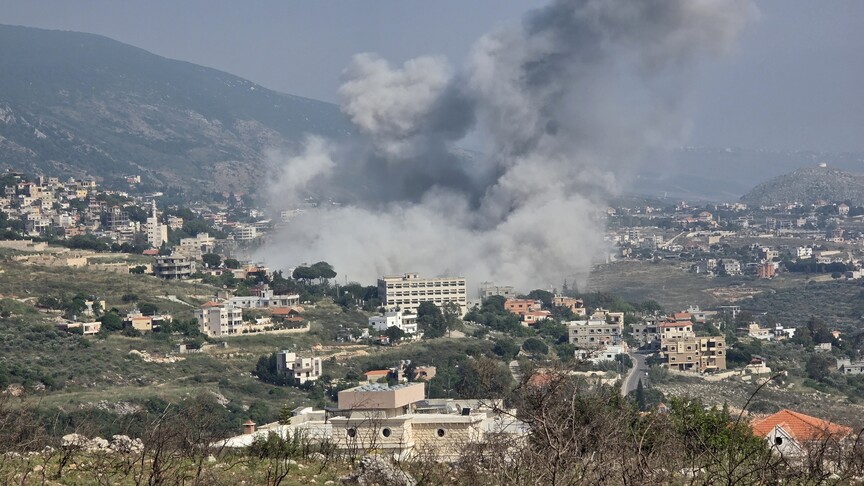
Israel has expanded its strikes across Lebanon, despite a declared cease-fire. This development indicates a continuation of hostilities in the region, challenging efforts towards de-escalation and stability. The expanded operations mark a significant escalation in the conflict, raising concerns about the stability and effectiveness of the cease-fire agreement that was intended to halt such military actions. The ongoing military actions contribute to the volatile security situation, which directly impacts civilian populations. This sustained military engagement follows a period where a cease-fire was expected to de-escalate tensions and provide a much-needed respite. The increased scope of Israeli operations suggests that the conflict remains active and widespread, impacting civilian areas far beyond initial flashpoints. The situation continues to pose significant risks to the population, with children being particularly vulnerable to the indiscriminate nature of such expanded military activities. The disregard for the cease-fire further complicates humanitarian efforts and the protection of non-combatants.
UNICEF's Grim Statistics
Since the United States declared a cease-fire between Lebanon and Israel in April, UNICEF reports that 55 children have been killed in Lebanon. The UN children's agency also stated that 212 children have been wounded during the same period. These figures highlight the significant toll the ongoing conflict has taken on the country's youth, despite the declared cessation of hostilities. The daily average of 11 child casualties—killed or wounded—over the past week further illustrates the persistent danger faced by young individuals. This consistent rate of harm points to a systemic failure to protect children in conflict zones. The data from UNICEF indicates that the cease-fire has not fully protected the most vulnerable population, as children continue to bear the brunt of the violence. The continued violence shows the severe impact on children's safety and well-being across Lebanon, leading to physical injuries, psychological trauma, and disruption of their fundamental rights. The cumulative number of child casualties since April paints a sobering picture of the human cost of the conflict, emphasizing the urgent need for strong protective measures.
Call for Protection
The continued violence against children in Lebanon notes an urgent need for enhanced protection measures. Despite a cease-fire declared by the United States between Lebanon and Israel, the daily toll on young lives remains alarmingly high. UNICEF data consistently points to the severe impact of ongoing hostilities, with children constituting a significant portion of casualties. This tragic reality demands immediate and concerted action from all parties involved in the conflict and the international community. International humanitarian law mandates the protection of civilians, especially children, in armed conflict zones, and these obligations must be upheld without reservation. The persistent danger shows the critical importance of ensuring unimpeded access for humanitarian aid and establishing safe corridors to shield vulnerable populations from harm. Providing safe passage and essential services is critical to mitigating the suffering of children caught in the crossfire. Organizations on the ground continue to advocate for all parties to the conflict to uphold their obligations, prioritize the safety and well-being of Lebanese children, and commit to a lasting peace that safeguards the future of the nation's youth. The international community also has a key role to play in monitoring compliance with humanitarian law and advocating for an end to the violence that disproportionately affects children.