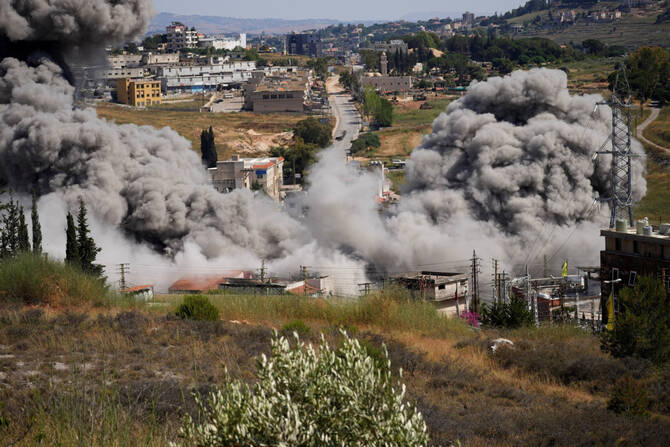
Israeli attacks on Lebanon have persisted without abatement despite a ceasefire agreement, leading to a wider range of Lebanese towns impacted by forced displacement orders. The ongoing violence has resulted in a significant number of casualties, with 11,483 people reported injured across the affected areas. These developments indicate an escalation of hostilities and a worsening humanitarian situation in southern Lebanon, raising serious concerns among international observers and aid organizations.
Escalating Hostilities and Displacement
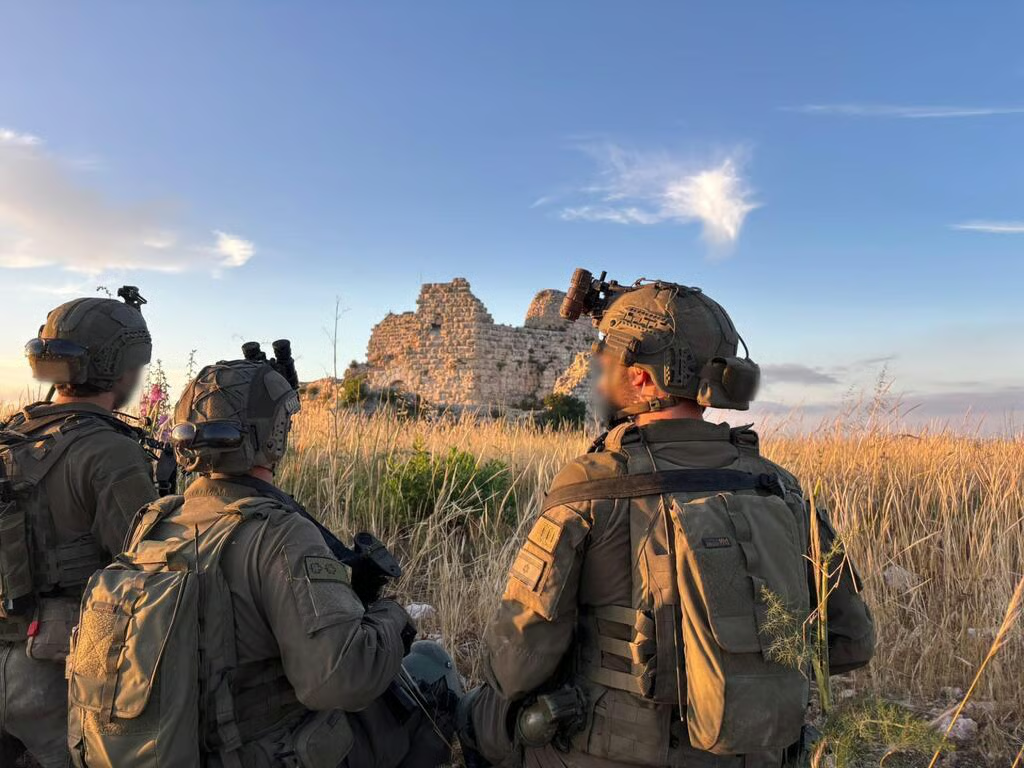
Israeli forces continue to expand their occupation in southern Lebanon, according to reports from the region. This expansion contributes to the ongoing instability and displacement affecting Lebanese communities, forcing thousands to abandon their homes and seek safety elsewhere. The persistent military actions, despite calls for de-escalation, have exacerbated an already fragile environment. The expansion of occupation zones not only displaces residents but also disrupts their livelihoods and access to essential services.
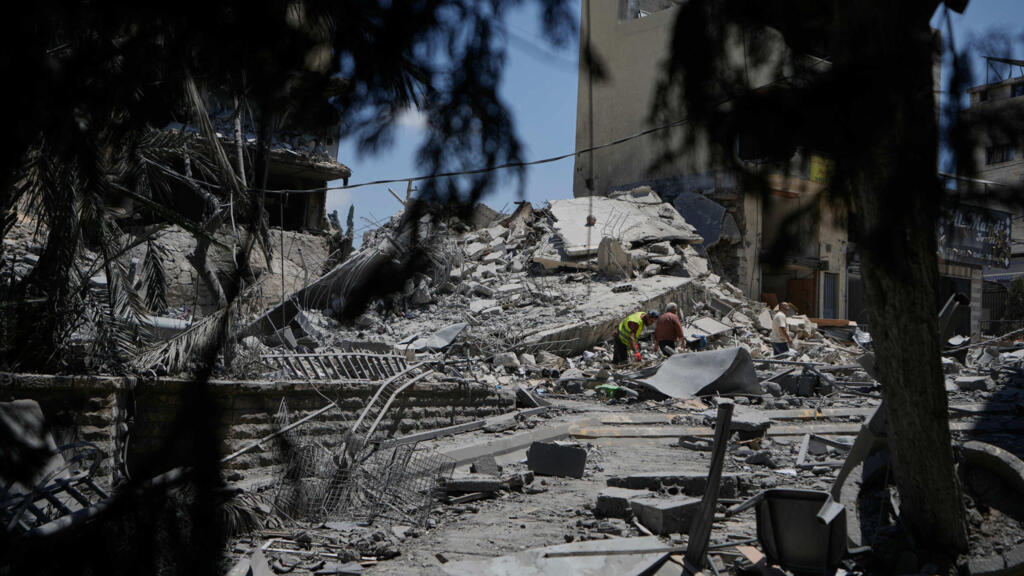
Israel has been reported to have breached ceasefire agreements previously. These past breaches show concerns regarding the current cessation of hostilities, as violence persists despite attempts at de-escalation. The continued military operations in southern Lebanon exacerbate the humanitarian situation, forcing residents to abandon their homes and livelihoods. The widening scope of affected towns notes the increasing geographical impact of the conflict, pushing more communities into crisis. This pattern of sustained military pressure and territorial expansion indicates a severe challenge to any efforts aimed at achieving a lasting peace in the region.
Devastating Human Toll
At least 380 individuals were reportedly killed in less than a month since the onset of the ceasefire, demonstrating the immediate and tragic consequences of the continued violence. The total number of people killed since early March has reached 3,711, according to recent figures, painting a grim picture of the conflict's intensity and lethality over a sustained period. Among these fatalities, 247 were children, noting the severe impact on the youngest and most vulnerable populations. The presence of child casualties shows the indiscriminate nature of the hostilities and the profound suffering inflicted upon families. The violence has also taken a heavy toll on essential service providers, with 132 health sector workers reported among those killed since early March, further crippling an already strained healthcare system.
Beyond the fatalities, a significant number of people have sustained injuries, adding to the humanitarian burden. The total number of people injured has reached 11,483, indicating a widespread physical harm across the population. Among those injured, 983 were children, showing the widespread physical harm affecting young individuals and the long-term challenges they will face in recovery and rehabilitation. Additionally, 393 health sector workers were injured, further straining medical capabilities and personnel in the affected regions. These injuries not only represent immediate suffering but also pose long-term challenges for rehabilitation and access to medical care in communities where health infrastructure is already compromised. The sheer volume of casualties places immense pressure on local medical facilities and humanitarian aid efforts.
Broader Violations and Impact Assessment
Similar patterns of ceasefire breaches have been documented in Gaza and previously in Lebanon following the 2024 ceasefire agreement. These violations extend beyond military operations and occupation to encompass surveillance-related activities, inflammatory rhetoric, and actions that undermine civilian protection. Such multifaceted breaches complicate efforts to establish and maintain peace, eroding trust and perpetuating cycles of violence.
A policy paper detailing these issues draws on Oxfam's programmatic and security data, desk research, and insights from two expert interviews. This full approach ensures a strong analysis of the situation on the ground. One of these interviews was conducted with the digital rights organization SMEX, which provided analysis on violations connected to surveillance and digital platforms. Their expertise shed light on how digital tools are being used in ways that infringe upon privacy and civil liberties during the conflict. Additionally, the mental health organization Embrace, based in Lebanon, was interviewed to assess the impact of hostilities on the public. Their insights are key for understanding the psychological toll of prolonged conflict and displacement on Lebanese communities, noting the urgent need for mental health support services. The findings from these diverse sources show the complex and broad consequences of the ongoing hostilities.