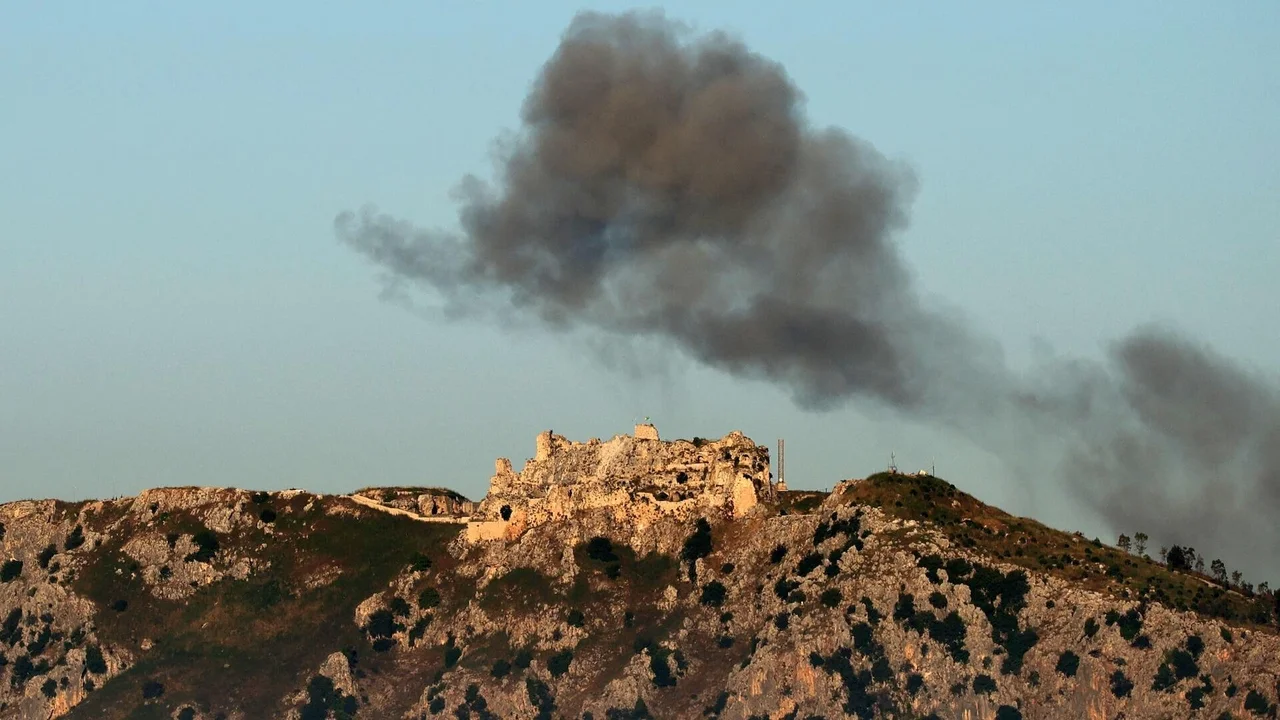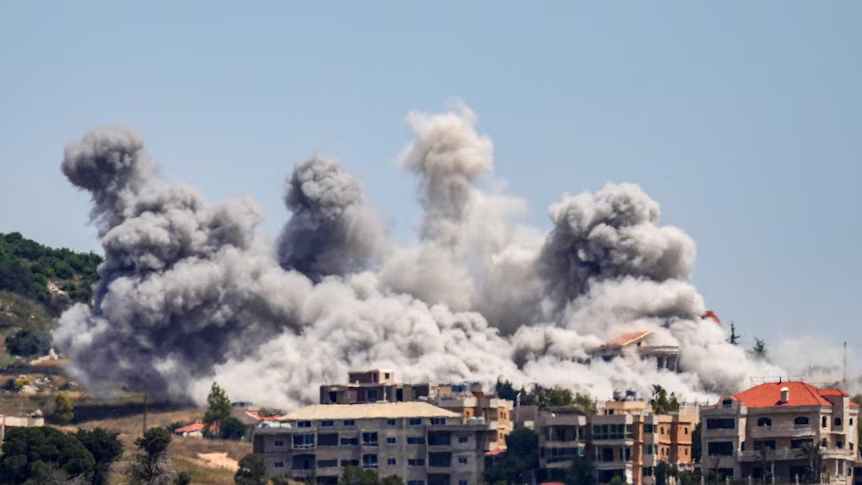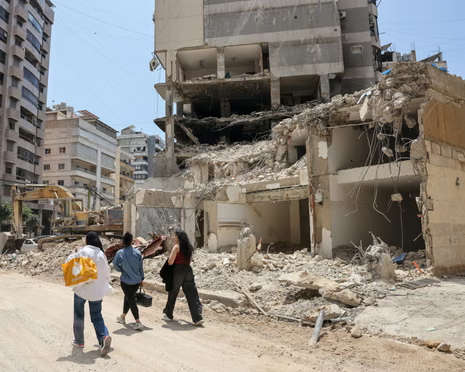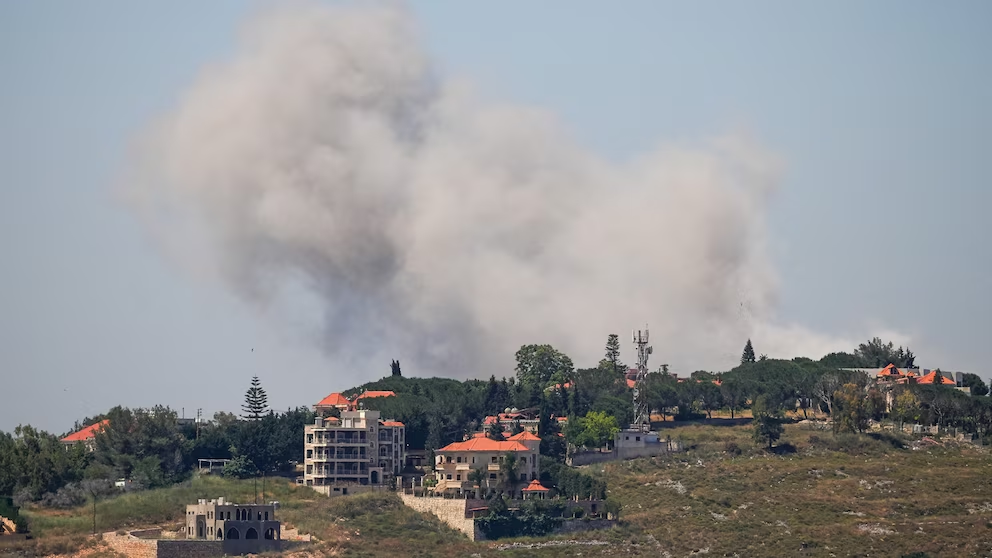
Captain Eitan Shmuel Lemberg, 21, was killed in combat in Lebanon on Sunday following an anti-tank missile strike. The incident, which occurred at approximately 4:00 p.m. Took place north of the Litani River. Captain Lemberg, a resident of Mishmar HaShiv'a, fell during the engagement. The fatal strike occurred during active combat operations in southern Lebanon, noting the ongoing security challenges in the region despite recent diplomatic efforts. The engagement that led to Captain Lemberg's death shows the volatile nature of the border area.
Personal Details and Brigade
Captain Eitan Shmuel Lemberg served as an officer within the armored corps, specifically with the 75th Battalion of the 7th Brigade. His service placed him in a combat unit, a critical component of the Israel Defense Forces' ground operations. As an officer, Captain Lemberg held a leadership position within his battalion, responsible for guiding his unit during missions. The 75th Battalion operates as part of the larger 7th Brigade, an armored formation known for its operational history and deployment in frontline areas. Captain Lemberg was a resident of Mishmar HaShiv'a, a community from which he hailed, located within Israel's central district. Reports indicated that the 21-year-old was killed in southern Lebanon, a geographical designation that specifies the location of the combat incident. His untimely death at such a young age marks a significant loss for his unit and the wider military.
Ceasefire Context and Disagreement
The incident occurred hours after Israel and Lebanon had agreed to implement a US-mediated ceasefire. This agreement was reached following intensive diplomatic efforts aimed at de-escalating tensions in the region. Prime Minister Benjamin Netanyahu updated ministers on the decision to pursue a ceasefire in Lebanon, outlining the terms and implications of the proposed agreement. The announcement of the ceasefire was intended to bring a halt to hostilities that had been ongoing. However, not all officials supported the initiative, reflecting divisions within the government and security establishment regarding the strategic approach to the conflict.
Defense Minister Israel Katz reportedly opposed the ceasefire, expressing reservations about its potential effectiveness or the timing of its implementation. His opposition suggested a preference for continued military action or a different resolution strategy. The Israel Defense Forces (IDF) were said to be unenthusiastic about the ceasefire, proposing a broader plan instead. This broader plan likely encompassed more full military objectives or a different set of conditions for de-escalation, indicating a divergence in operational and political viewpoints. National Security Minister Itamar Ben-Gvir publicly called the move "a serious mistake," articulating strong disapproval of the ceasefire agreement. His statement noted concerns that the ceasefire might not adequately address Israel's security interests or could be perceived as a concession. In contrast, Shas chairman Aryeh Deri backed Prime Minister Netanyahu, stating that Israel should proceed with the ceasefire agreement. Deri's support provided political backing for the Prime Minister's decision, emphasizing the importance of adherence to the diplomatic understanding reached. The differing opinions showed the complex political landscape surrounding the security situation and the challenges of achieving consensus on military and diplomatic strategies.
Security Alerts and Response
IDF forces launched a broad response operation in the area following the missile strike that killed Captain Lemberg. This operation involved significant military activity in the region where Captain Eitan Shmuel Lemberg was killed, indicating a strong reaction to the hostile action. The response aimed to neutralize threats and ensure the security of Israeli forces operating near the border. The military's immediate and extensive reaction shows the ongoing tension and the readiness of forces to engage in combat following such incidents.
Separately, reports indicated that drone infiltration alerts were activated on Thursday morning in the communities of Arab al-Aramshe and Kfar Yuval. These alerts prompted security measures in the northern Israeli localities, including instructions for residents to take shelter or remain vigilant. The activation of drone infiltration alerts signifies a persistent threat from aerial incursions, adding another layer of complexity to the security situation along the northern border. Such alerts are a regular occurrence in the region, reflecting the continuous efforts by various entities to breach Israeli airspace and conduct surveillance or attacks. The incidents, both the fatal missile strike and the drone alerts, collectively illustrate the dynamic and perilous security environment faced by communities and military personnel in northern Israel.