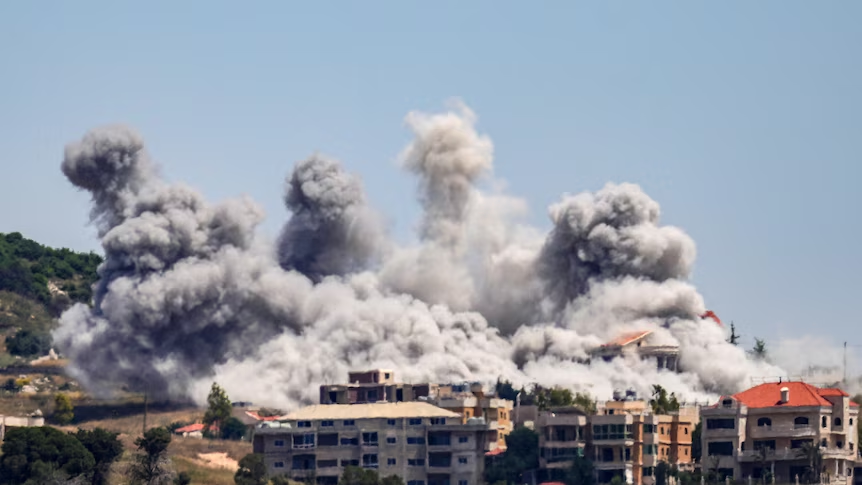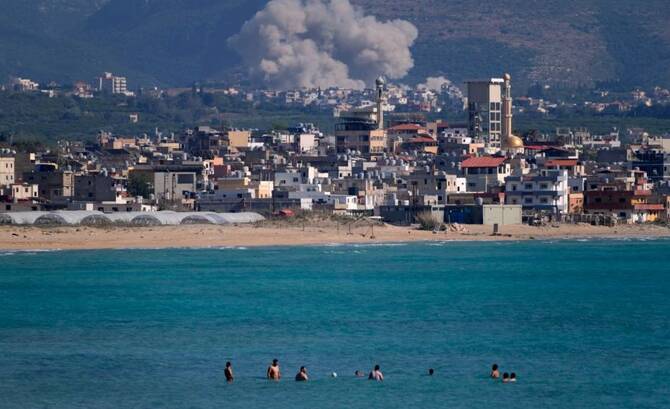
Israeli forces retook control of Beaufort Castle on May 31, 2026, following an operation aimed at establishing operational control over the Beaufort Ridge and the Wadi al-Saluki area. The Israel Defense Forces (IDF) stated that this operation was specifically focused on establishing operational control of the Beaufort Ridge and the Wadi al-Saluki area, key strategic locations in southern Lebanon. The capture of the ancient stronghold came after Israeli forces crossed the Litani River on Friday, May 30, 2026, and on Saturday, May 30, 2026, with Lebanese reports indicating air raids and bombardment in the region in the days leading up to the recapture. Local Lebanese reports had also included an earlier denouncement of bombing three days prior to the castle's recapture. Prime Minister Benjamin Netanyahu stated on Sunday, May 31, 2026, that his directive was to deepen and expand Israel's hold on areas previously under Hezbollah’s control.
The Israel Defense Forces (IDF) stated the operation focused on dismantling Hezbollah infrastructure. "The operation began several days ago, during which a significant number of IDF ground soldiers commenced offensive operations aimed at expanding the Forward Defense Line," the IDF said, adding that "From Beaufort Ridge, Hezbollah terrorists managed military and combat activities and carried out numerous attacks." Prime Minister Benjamin Netanyahu, emphasizing the strategic importance of the incursion, ordered troops to deepen Israel’s incursion into Lebanon. An Israeli official reported that US President Donald Trump told Netanyahu last week that he supported Israel’s "freedom of action against threats on all fronts, including Lebanon." Netanyahu declared, "we returned to Beaufort stronger than ever," and stated that "Our brave fighters captured the Beaufort outpost. They proudly raised the flag of the State of Israel and the flag of the Golani Brigade there." He added that the capture of Beaufort is a "dramatic stage and a dramatic change in the policy we are leading." The IDF further stated it had "expanded its operations against Hezbollah targets north of the river" and in "additional areas" as part of its ongoing operations.
Historical Echoes of the Castle
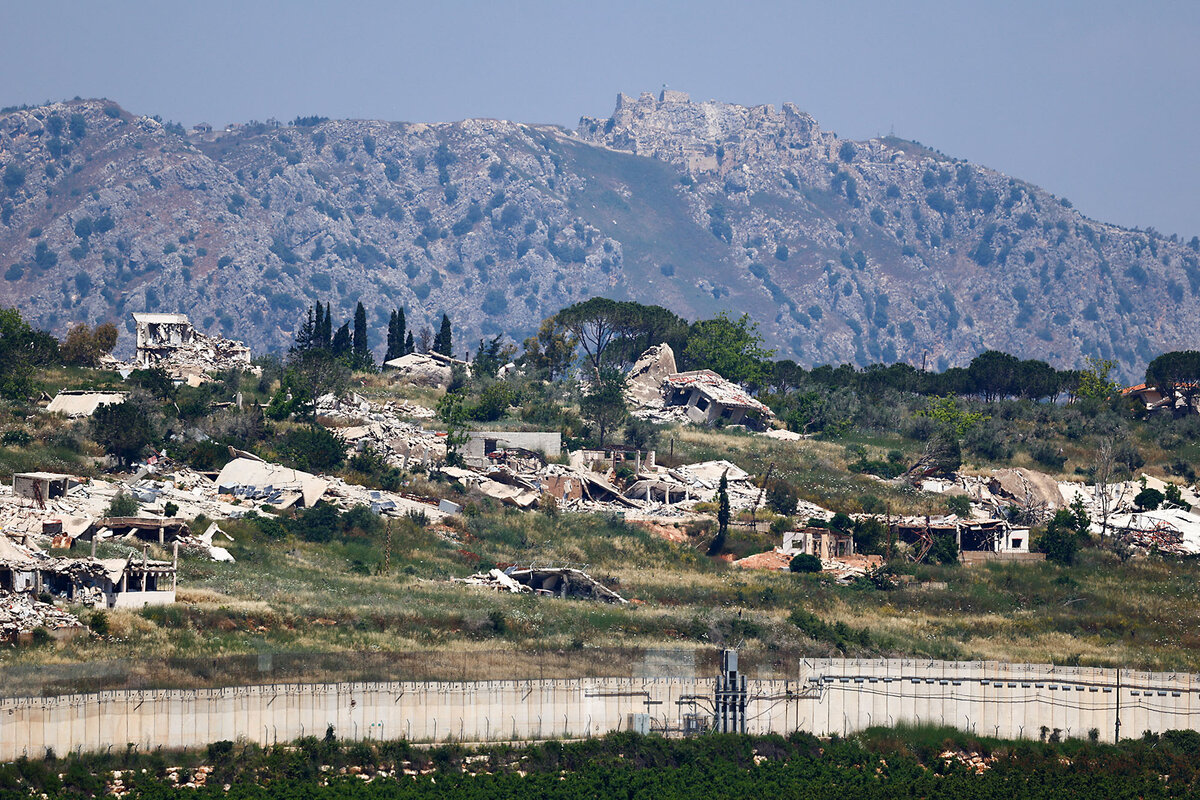
Beaufort Castle, a nearly 900-year-old Crusader castle, holds historical significance in past conflicts, having been a focal point in various military engagements over centuries. The Israel Defense Forces' Golani Brigade seized the Crusader-era castle during the 1982 invasion, despite an explicit order to cancel the attack. One officer later protested that six of his friends were killed in the operation, noting the human cost of the engagement. Reports indicated that in 1982, the significance of Israeli forces seizing the castle was more symbolic than strategically vital. At that time, Israel’s primary adversary was Yasser Arafat’s Palestine Liberation Organization (PLO), which reportedly used Beaufort as a critical vantage point for its spotters to direct rocket and artillery fire into Israel. The PLO relied on the castle's elevated position to enhance its operational capabilities against Israeli targets.
Then-Defense Minister Ariel Sharon had reportedly boasted that the 1982 operation succeeded without losing a single soldier, a claim that was later contested by accounts from soldiers involved. Israel’s solution after the 1982 war, the creation of a "security zone" in southern Lebanon, resembled the strategy Prime Minister Benjamin Netanyahu is pursuing today. In September 1982, Israel’s ally, Bashir Gemayel, was elected president in Lebanon. However, Bashir Gemayel was killed in a bomb attack in Beirut days later. Following his death, Bashir Gemayel’s supporters entered the Palestinian refugee camps of Sabra and Shatila, where they massacred hundreds of civilians, an event that cast a long shadow over the region. The Beaufort Castle has been described by UNESCO as “as one of the best-preserved examples of medieval castles in the Near East,” showing its cultural and historical value alongside its military importance.
The Modern Battlefield
During the 18 years that followed the 1982 invasion, a period marked by persistent low-intensity conflict, Hezbollah forces reportedly fired on Israeli troops and across the border into northern Israel from positions within Lebanon. Hezbollah also repeatedly attacked Israeli units operating inside Lebanon, with Beaufort Castle often serving as a target due to its strategic elevation and historical significance. The castle became a symbol of resistance and a persistent point of contention between the two sides during this extended occupation.
In the contemporary conflict, Hezbollah is reportedly deploying new fiber-optic drones that Israeli forces have not yet found a way to stop, indicating an evolving tactical landscape. Hezbollah claimed to have destroyed an Israeli tank near Beaufort Castle, an assertion that notes the ongoing skirmishes and the contested nature of the territory surrounding the ancient structure. The Israel Defense Forces (IDF) stated it had "expanded its operations against Hezbollah targets north of the river" and in "additional areas" as part of its operations, signaling a broader campaign beyond the immediate vicinity of the castle. These expanded operations reflect Israel's stated objective to dismantle Hezbollah's military infrastructure in the region.
Beaufort Castle is situated near the city of Nabatiyeh and approximately 9 miles (14.5 kilometers) from the Israeli border, placing it in a critical geographical position. The historic structure is perched more than 2,000 feet above sea level, offering a commanding view of the surrounding terrain, including the Litani River valley and the approaches to Israel. This elevated position has historically made it a valuable observation point and a strategic stronghold for controlling movement in the area.
Strategic Ambitions and Futility
Prime Minister Benjamin Netanyahu proclaimed that recapturing the castle shows Israel was "stronger than ever," stating, "we returned to Beaufort stronger than ever." He added, "Our brave fighters captured the Beaufort outpost. They proudly raised the flag of the State of Israel and the flag of the Golani Brigade there," and described the capture as "a dramatic stage and a dramatic change in the policy we are leading." Netanyahu also noted his directive was "to deepen and expand our hold on areas that had been under Hezbollah’s control," indicating a long-term strategic objective to establish a more strong presence in southern Lebanon. This directive suggests a policy shift aimed at creating a buffer zone against potential threats emanating from Hezbollah-controlled territories.
The castle itself is an ancient structure, built by the Crusaders on a high cliff overlooking the Litani River some 900 years ago. Its strategic position, offering panoramic views of the surrounding landscape, has made it a focal point in various conflicts throughout history, from the Crusades to modern-day engagements. Israel invaded Lebanon in 1982, and its forces, including the Golani Brigade, seized Beaufort Castle during that operation, marking a significant moment in the conflict. The 2007 Oscar-nominated film “Beaufort” later depicted the frustration of Israeli soldiers who reportedly felt they were targets for Hezbollah rather than security guarantors at the site, offering a poignant look into the psychological toll of maintaining control over the contested stronghold. The film captured the daily anxieties and existential questions faced by soldiers stationed at the castle, noting the complex realities of military occupation.
Broader Security Implications
Israel withdrew from Lebanon in 2000, concluding an 18-year occupation of southern Lebanon, with the Beaufort Castle sustaining significant damage during this period before Israel last held it 26 years ago. The withdrawal marked the end of a prolonged military presence that had begun with the 1982 invasion. Reports indicated that after the 1982 war, Israel's approach involved creating a "security zone," a strategy similar to what Prime Minister Benjamin Netanyahu has pursued today, aiming to establish a buffer against cross-border attacks. Despite a US-mediated ceasefire agreed upon in April, clashes between Hezbollah and Israeli forces have reportedly intensified, showing the fragile security situation and the ongoing volatility in the region. The renewed fighting suggests that previous diplomatic efforts have not fully quelled the underlying tensions, leading to a dangerous escalation of hostilities. The recapture of Beaufort Castle thus represents not just a tactical victory, but a significant development in a long-standing and deeply entrenched conflict.