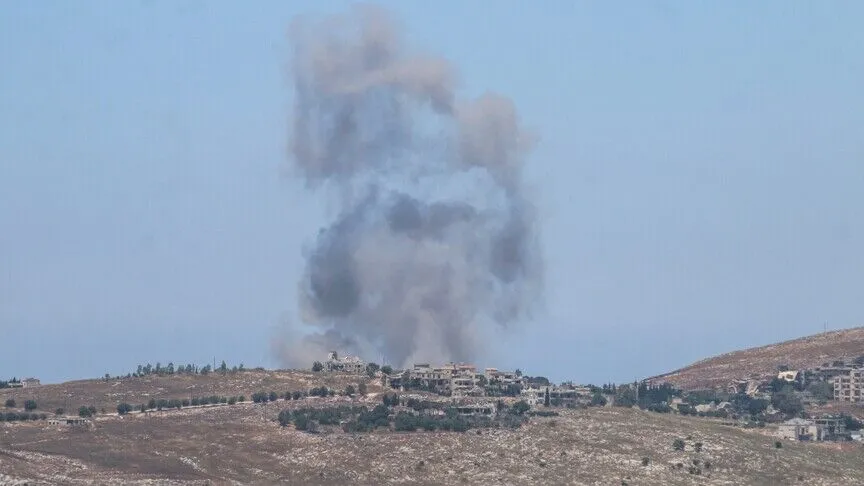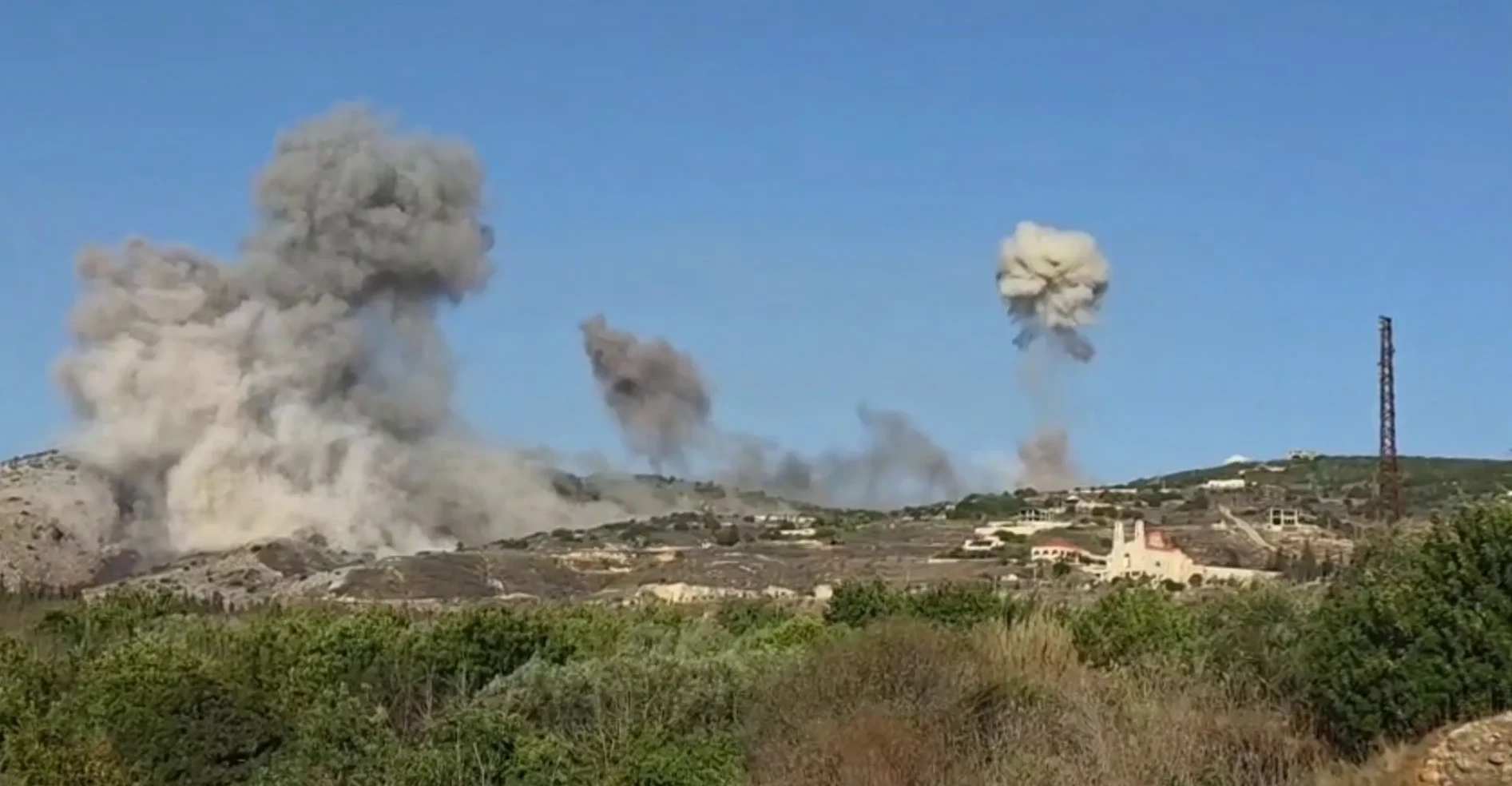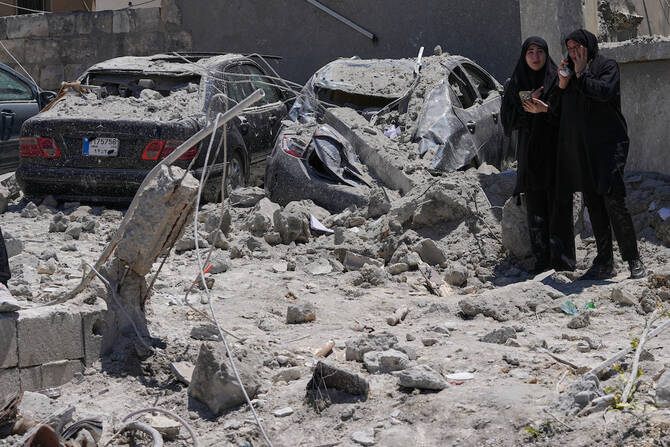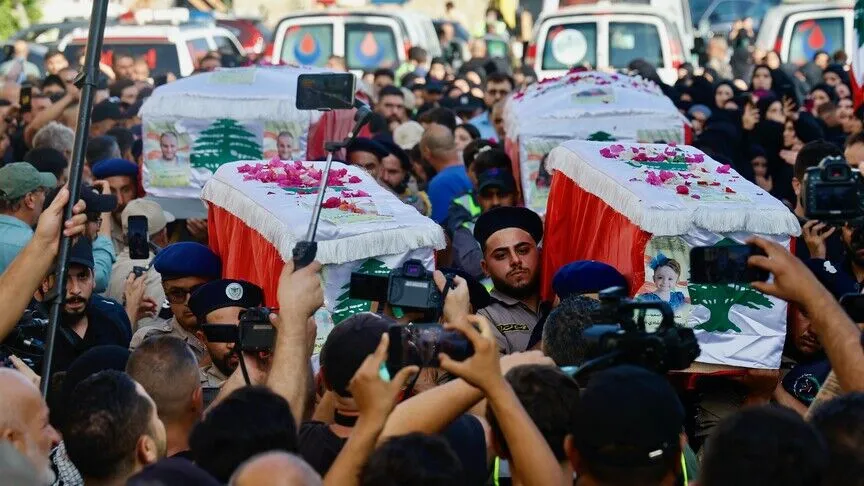
Amnesty International is calling for a thorough investigation into what it describes as three Israeli air strikes in southern Lebanon that killed 24 civilians, including 12 children, and wiped out entire families. The human rights organization asserts that these incidents could constitute war crimes. The strikes occurred on March 6, March 12, and March 13, resulting in not only the fatalities but also at least 18 others being injured. These tragic events have drawn significant international scrutiny regarding the protection of civilians in conflict zones and the adherence to international humanitarian law.
Amnesty's Investigation Findings
Amnesty International conducted extensive investigations into the strikes on civilian homes, focusing on three distinct locations. These included the al-Thakana neighborhood within the Tyre district, Irkay village in the Saida district, and the al-Rahbat neighborhood in the Nabatieh district. The organization’s Crisis Evidence Lab played a key role in the investigative process, meticulously analyzing satellite imagery to corroborate findings. The lab verified a total of 20 photographs and 11 videos directly related to these incidents, providing visual evidence to support their conclusions.
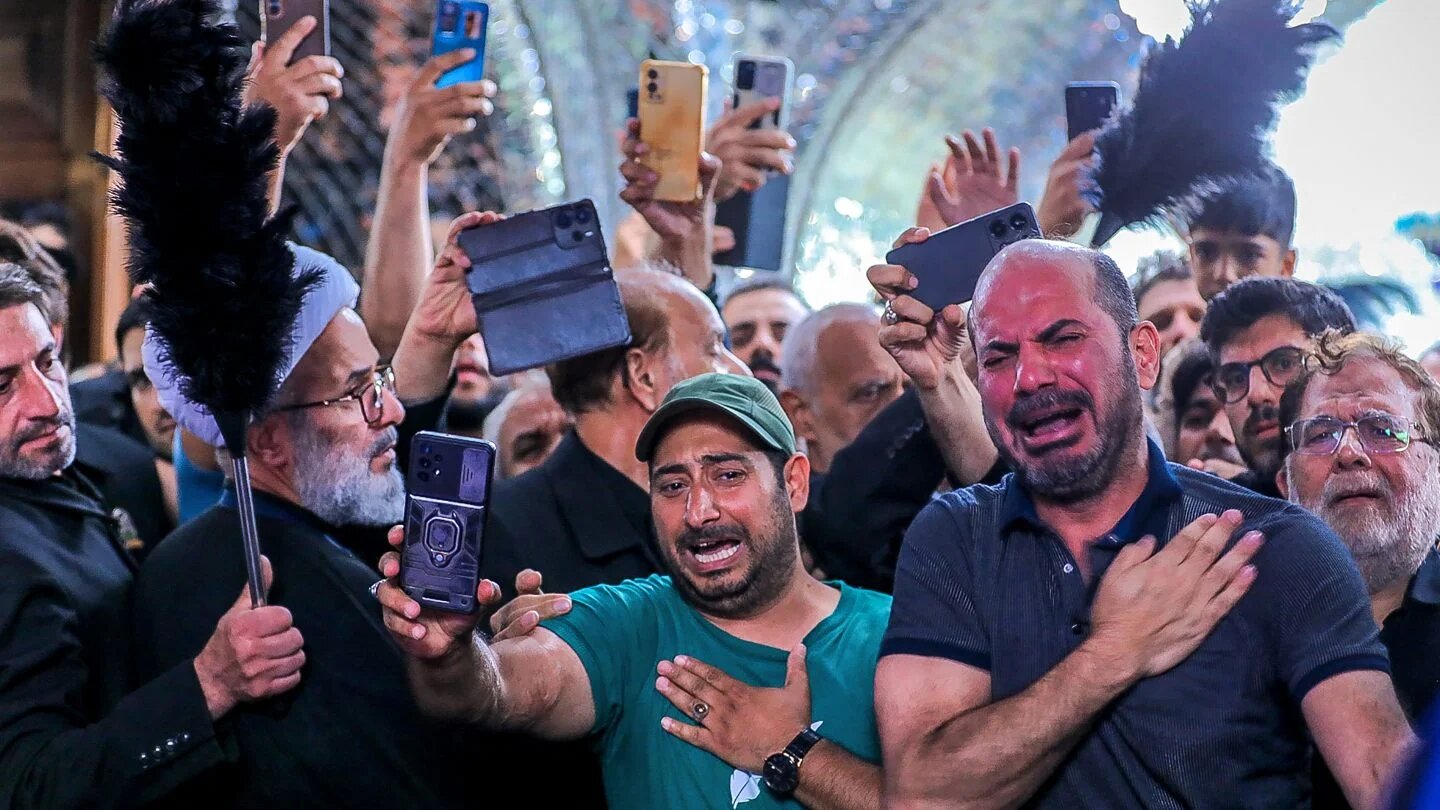
The investigation documented the devastating human cost of these strikes. Among those killed were 12 children, whose ages ranged tragically from 5 to 16 years. The fatalities also included six women, one of whom was pregnant, and six men. This detailed breakdown notes the indiscriminate nature of the attacks on civilian residences. To gather full information and testimonies, Amnesty International conducted interviews with 15 individuals. These interviews included survivors who experienced the horror of the strikes firsthand, relatives of victims mourning their losses, paramedics who responded to the scenes, journalists documenting the aftermath, and local officials providing contextual information. The findings paint a grim picture of the impact on civilian lives and infrastructure.
Context of Conflict
The broader context of the conflict involves Israeli forces occupying areas in southern Lebanon. Some of these territories have been held for decades, indicating a prolonged presence, while others were seized more recently during the 2023-2024 war. This ongoing military presence and territorial control show the volatile nature of the region. During the most recent offensive, Israeli troops advanced more than 10 kilometers (6.2 miles) into Lebanese territory, further escalating tensions and military operations within the country.
The Lebanese Health Ministry has provided stark figures regarding the human cost of the conflict. On July 10, the ministry reported that the death toll from Israel's assault had risen to 4,321 people since March 2. In addition to the fatalities, the ministry also stated that 12,204 individuals had been injured during the same period. These numbers show the significant humanitarian impact and the widespread suffering caused by the ongoing military actions, which continue to be a significant focus for international organizations monitoring the conflict and advocating for civilian protection.
Israeli Response and Claims
Israeli authorities formally responded to Amnesty International on June 22, addressing the allegations raised by the human rights group. In their communication, the authorities stated they had "reviewed the allegations submitted." They further indicated that some of the attacks mentioned "were carried out against Hezbollah military objectives," suggesting that these operations were directed at legitimate military targets. Other incidents, they noted, were "referred for examination," implying an internal review process for specific cases.
Israel also affirmed its commitment to "mitigating harm to civilians during operational activity," a standard assertion regarding adherence to international humanitarian law. The state claimed that Hezbollah "systematically exploits civilian infrastructure for military purposes." This assertion suggests that civilian areas may be used by militant groups, complicating military operations and potentially increasing the risk to non-combatants. The differing accounts and interpretations of events highlight the urgent need for independent and impartial investigations into the incidents to ensure accountability and justice for the victims.