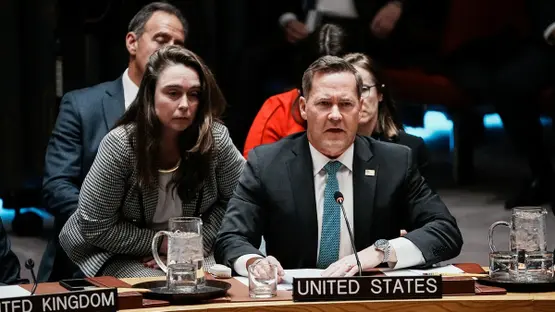
United States envoy to the United Nations Mike Waltz announced that the U.S. Government is seeking to end peacekeeping missions in Lebanon, Somalia, and Western Sahara. During a recent discussion on the future of international security operations, Mike Waltz stated, "We’re reforming the way peacekeeping is done," and added, "We think it’s time to go." This position reflects an official claim from the United States envoy to the UN Mike Waltz that the U.S. Government wants to conclude these specific peacekeeping missions in Lebanon, Somalia, and Western Sahara.
The United Nations Interim Force in Lebanon (UNIFIL) remains a primary focus of these discussions. Established in the 1970s on an interim basis, the mission continues to operate in southern Lebanon despite its original intended duration. Mike Waltz addressed the current status of this deployment, asserting, "But the current form UNIFIL will not continue, or, we do not believe it should continue." The mission, which was established in the 1970s on an interim basis, continues to operate in southern Lebanon today, prompting the current review of its operational mandate and long-term presence.
American officials are currently conducting active consultations with representatives from France, Israel, Lebanon, and other nations to determine the future of these peacekeeping mandates. These deliberations involve evaluating the operational effectiveness and long-term necessity of existing missions in each of the identified regions. The United States is conducting active consultations with France, Israel, Lebanon, and other countries regarding the future of peacekeeping missions to ensure that the international approach to these regions aligns with current strategic objectives.
The process of evaluating these missions requires direct engagement with the primary stakeholders involved in the areas where peacekeeping forces are currently deployed. By engaging in active consultations with France, Israel, Lebanon, and other countries, the United States aims to gain a clearer understanding of the security dynamics and the necessity for continued international intervention. These ongoing discussions are intended to facilitate a transition in how the international community approaches stability in Lebanon, Somalia, and Western Sahara.
The focus on UNIFIL, which was established in the 1970s on an interim basis and continues to operate in southern Lebanon, notes the broader United States policy shift toward reassessing long-standing international commitments. The United States envoy to the UN Mike Waltz has emphasized that the current structure of these missions is no longer sufficient to meet the evolving demands of regional security. As the United States continues conducting active consultations with France, Israel, Lebanon, and other countries regarding the future of peacekeeping missions, the government maintains its stance that the current operational models for these deployments are in need of a fundamental overhaul. The diplomatic process remains focused on the specific mandates in Lebanon, Somalia, and Western Sahara as part of a full review of international security operations.