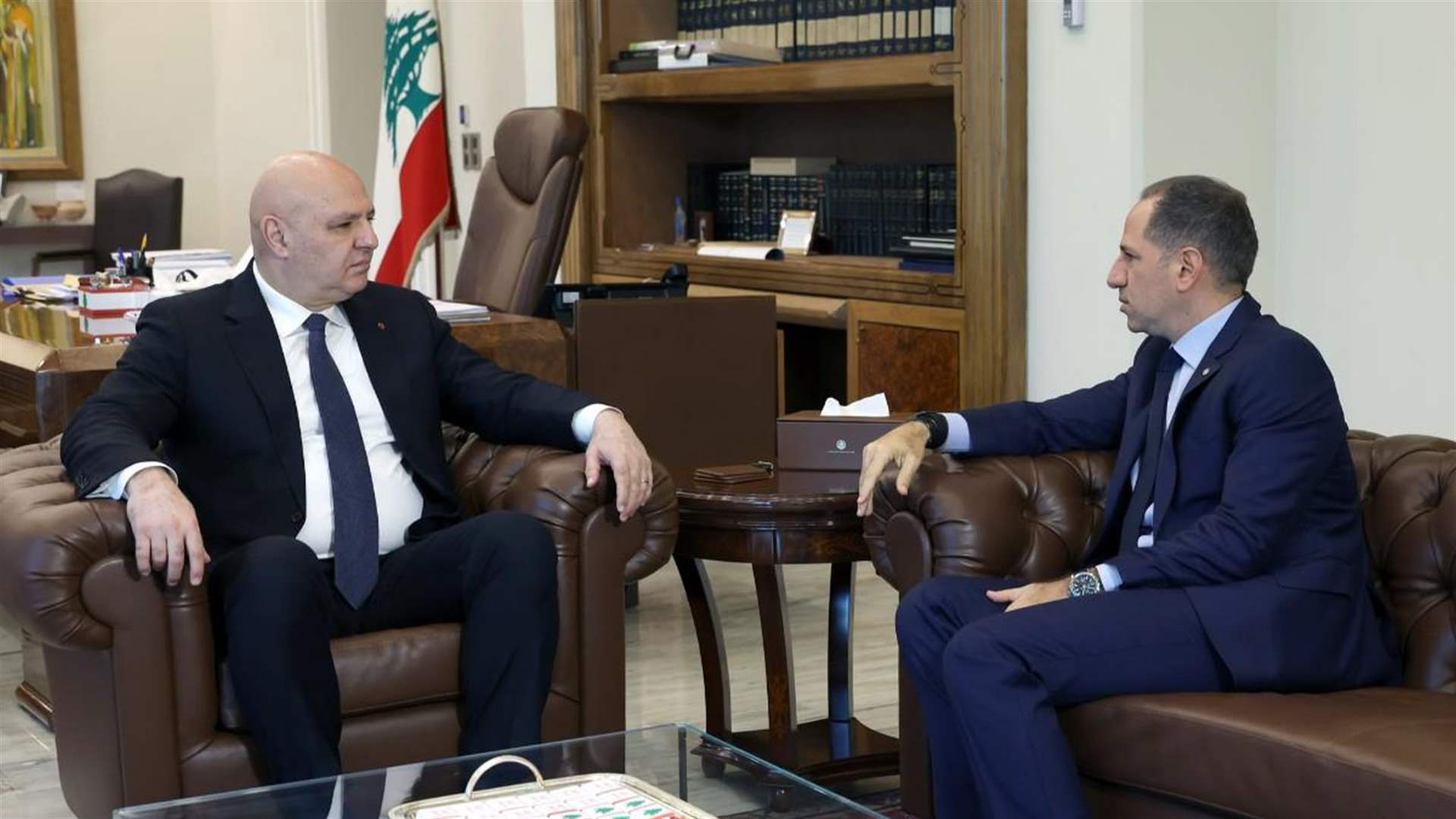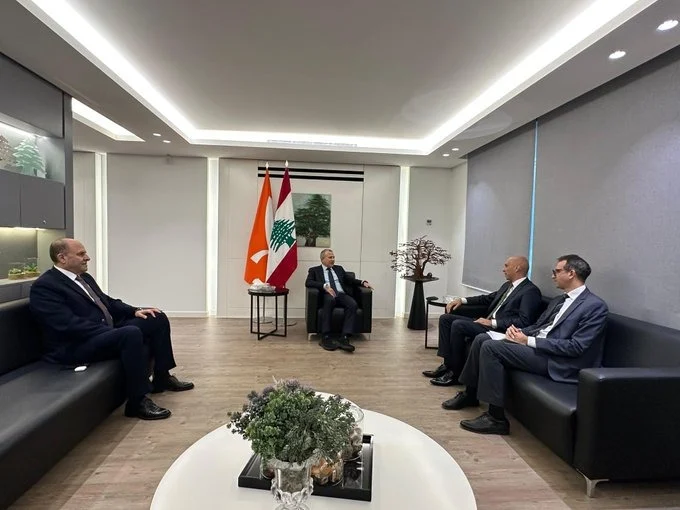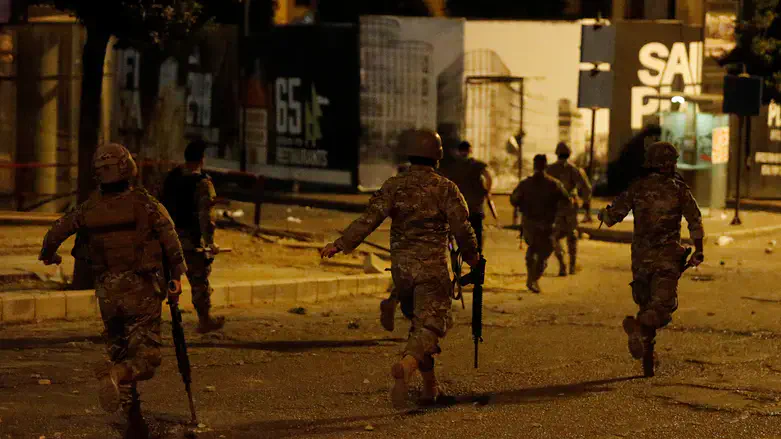
Political factions opposed to Hezbollah have expressed concern that the organization may exploit regional instability to undermine the Lebanese government. Kan 11 News reported these fears, noting that domestic opponents believe the group could use the current security climate to alter the internal balance of power. Kan 11 News reported that political factions opposed to Hezbollah fear the organization could exploit regional tensions to undermine the Lebanese government.
Officials in Beirut are preparing for the possibility that Hezbollah could join a military confrontation if fighting resumes between Israel, the United States, and Iran. These preparations involve contingency planning by state authorities as they assess the potential for the group to open a new front in the event of a broader conflict. Government agencies are monitoring the situation to determine how such an intervention might impact the stability of Lebanon. The strategic assessment within the capital focuses on the group’s existing infrastructure and its historical tendency to act outside the direct oversight of the central administration. State officials are evaluating the logistical requirements necessary to maintain national order should the security landscape shift abruptly.
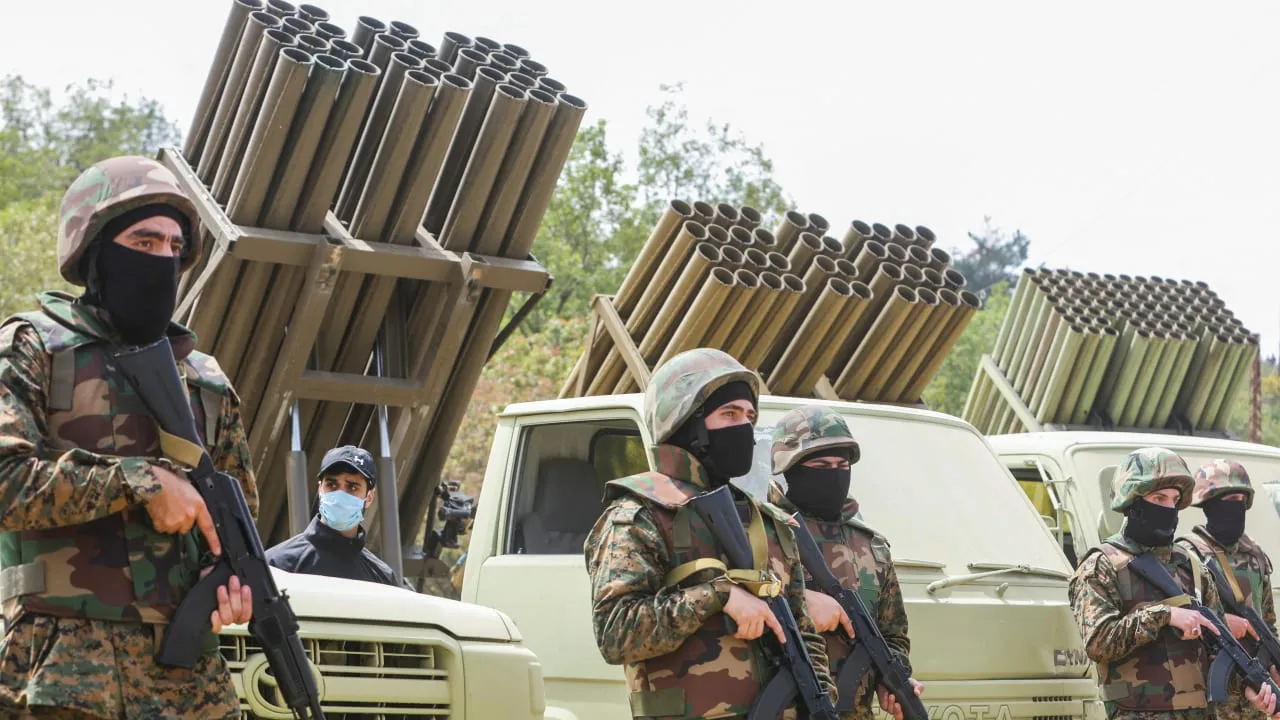
Security forces recently seized a truck in Lebanon that was carrying explosives belonging to Hezbollah. A truck carrying explosives belonging to Hezbollah was recently seized in Lebanon. The discovery occurred amid heightened vigilance by local authorities regarding the movement of illicit materials. The incident has intensified concerns among political rivals regarding the organization's military preparedness and its capacity to act independently within Lebanese territory.
The seizure of the vehicle has prompted a detailed investigation by security agencies, which are currently working to document the origin and the intended destination of the cargo. The presence of such materials within the borders has served to confirm the apprehensions held by political opponents who argue that the group maintains a private military capability distinct from the national armed forces. By intercepting the transport, the state security services have noted the ongoing challenge of regulating the movement of hazardous goods across various districts.
The political climate in Beirut remains volatile as representatives from opposing parties continue to debate the implications of these security breaches. These discussions are centered on the sovereign authority of the state and the risks posed by non-state actors maintaining substantial stockpiles of munitions. As the monitoring of transit routes continues, government agencies are tasked with ensuring that such incidents do not lead to a further deterioration of internal security. The focus remains on the group's operational autonomy and the potential for this to influence the broader political trajectory of the nation. These developments are being closely tracked by stakeholders who remain wary of the group's capacity to initiate actions that could bypass the consensus of the Lebanese government. The ongoing oversight of these logistical movements remains a primary concern for the security apparatus as it attempts to manage the risks associated with the group's activities.