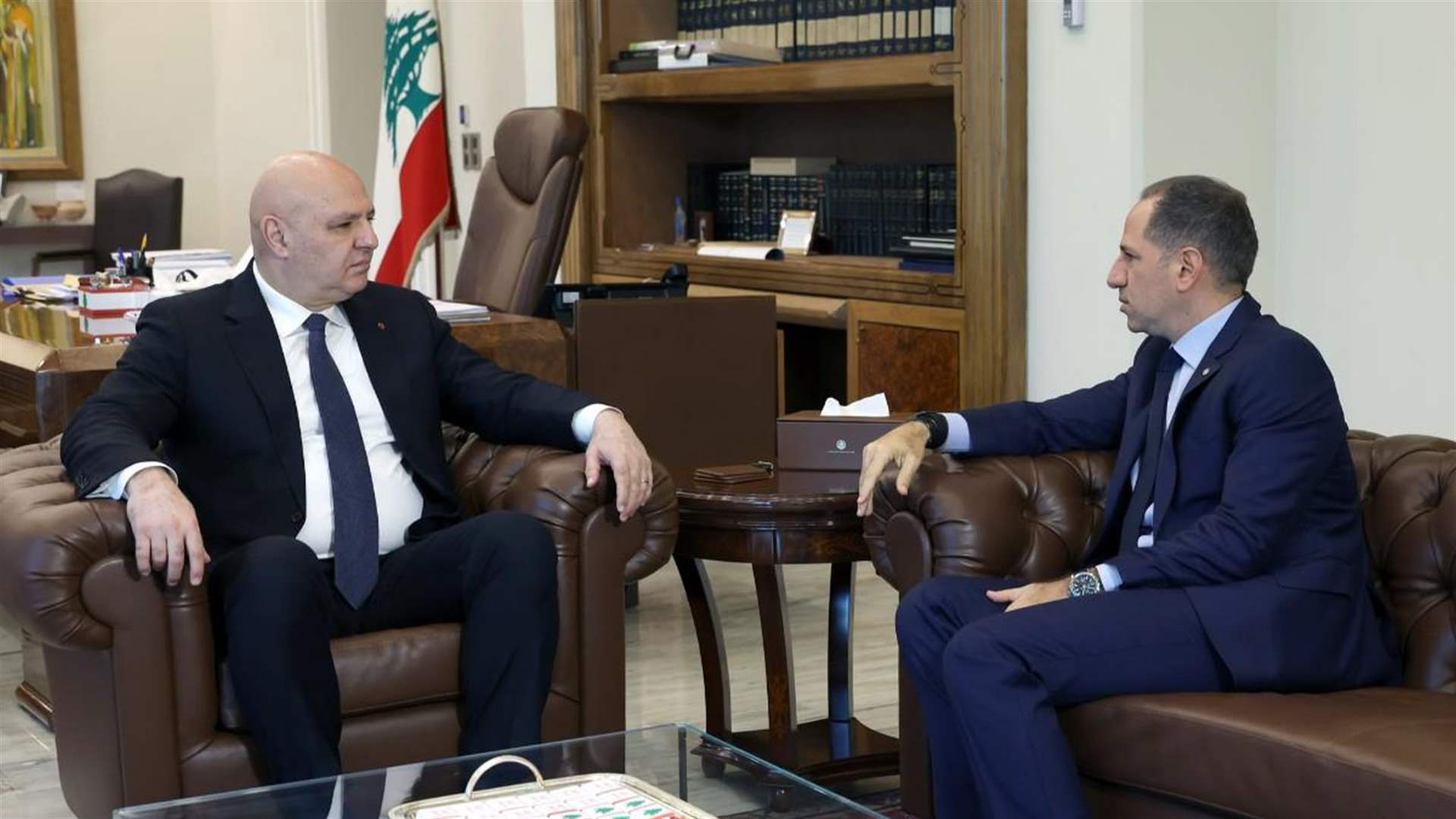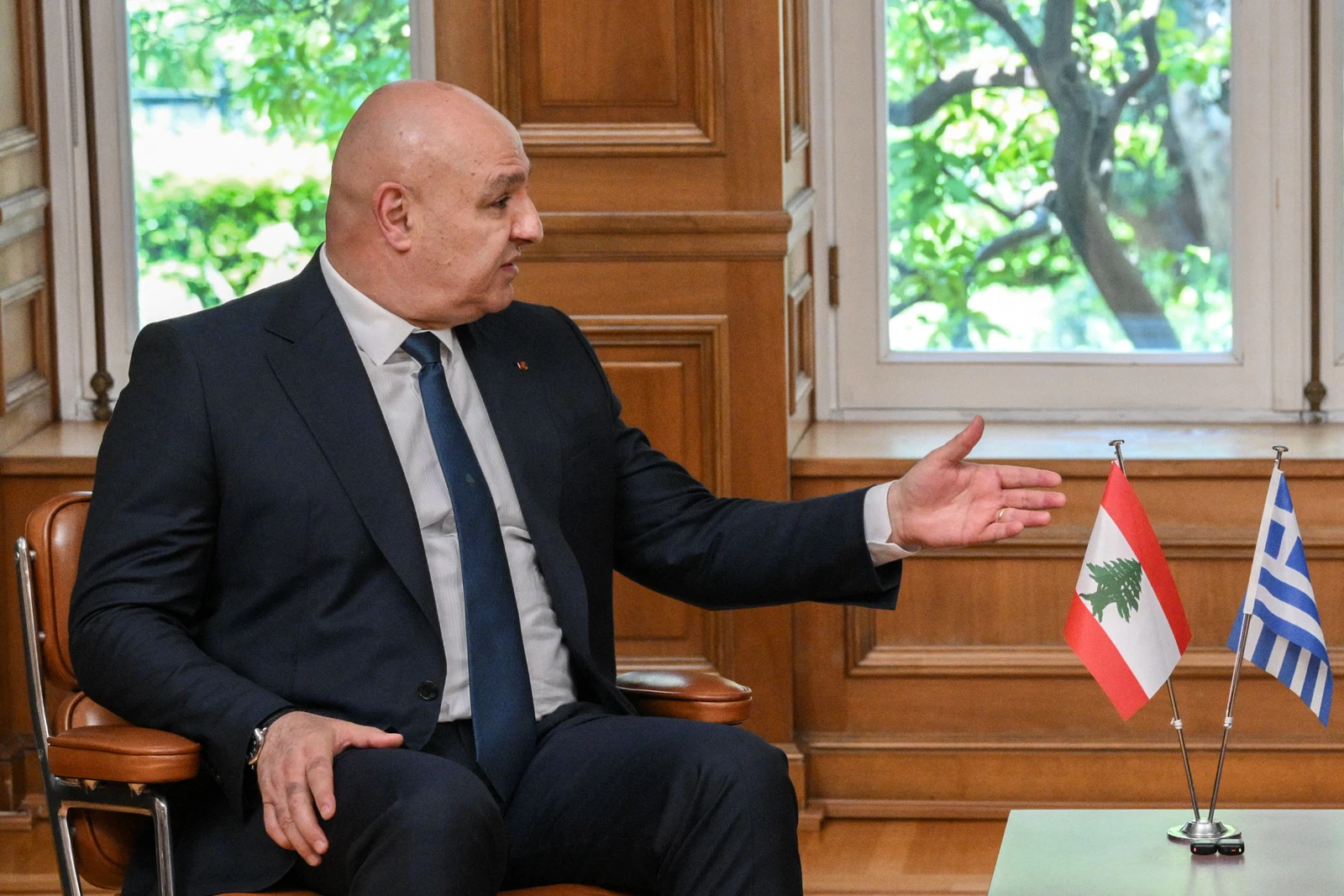
Lebanese President Joseph Aoun warned on 21 October 2026 that regional hostilities must conclude through diplomatic channels rather than military escalation. Addressing the current security environment, President Joseph Aoun stated, "The course of wars always differs from what the parties to the conflict expect."
Heightened international anxiety regarding the stability of the border accompanies these remarks. A Lebanese official source noted, "All Arab and foreign officials who have visited Lebanon and met President Joseph Aoun, Prime Minister Nawaf Salam and Parliament Speaker Nabih Berri have conveyed their countries’ concerns about the possibility of renewed war." These diplomatic exchanges emphasize the growing pressure on Beirut to prevent an expansion of the conflict as regional actors seek to mitigate the risk of further volatility.
Military Presence and Destruction
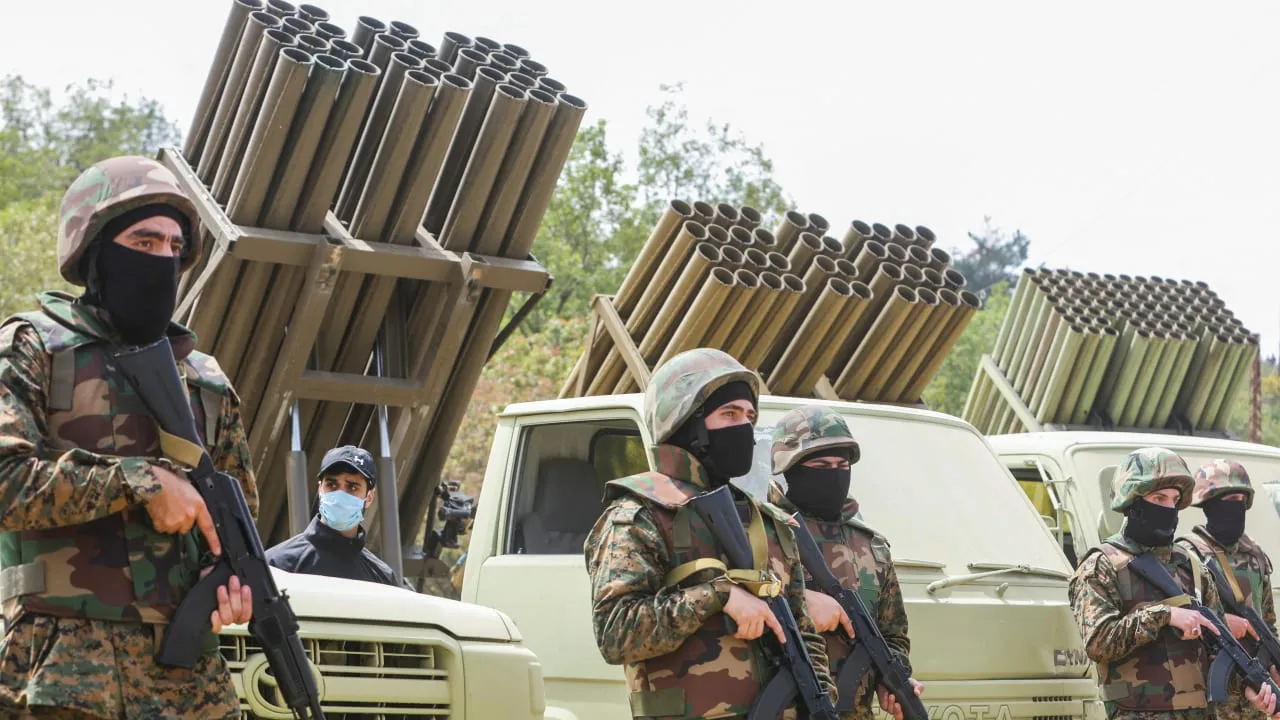
The Israeli military currently controls approximately 700 square kilometers of Lebanese border territory. Physical damage remains widespread across the region, where more than 60 Lebanese villages containing some 23,000 homes have been demolished since the ceasefire.
Retired Lebanese Brig. Gen. Khalil Gemayel assessed the current situation, stating, "All the military indicators suggest that Israel is currently in a defensive rather than offensive posture." Sidon MP Abdul Rahman Al-Bizri noted the broader security implications of these regional dynamics. Regarding the potential for wider conflict, Abdul Rahman Al-Bizri noted, "What raises the level of danger further are the attacks on Saudi Arabia, which plays an important role in finding solutions in the region."
Diplomatic and Technical Negotiations
Lebanese and Israeli military delegations convened at the US Central Command headquarters in Tampa, Florida, for direct technical talks on 20 October and 21 October 2026. These discussions focused on border security arrangements as regional tensions persist.
The Lebanese army completed the dismantling of a Hezbollah facility located in Kafra on 16 October 2026. Military personnel initiated the removal process at the site in December 2025.
Israeli Defense Minister Israel Katz issued a warning on 20 October 2026 regarding potential military expansion. Israel Katz stated that Israel could expand its control in Southern Lebanon if Hezbollah joins an Iranian attack against the country.
Israeli drones conducted intensive flights over Beirut on 21 October 2026. These aerial operations occurred throughout the day, drawing attention to the heightened military activity near the capital.