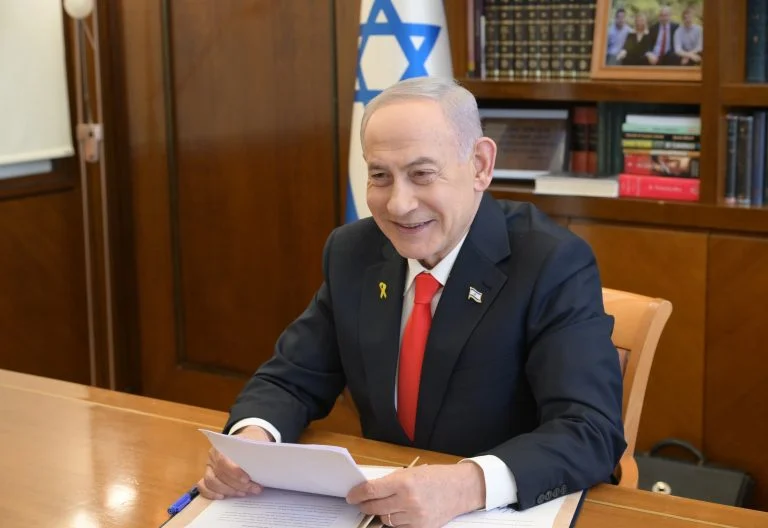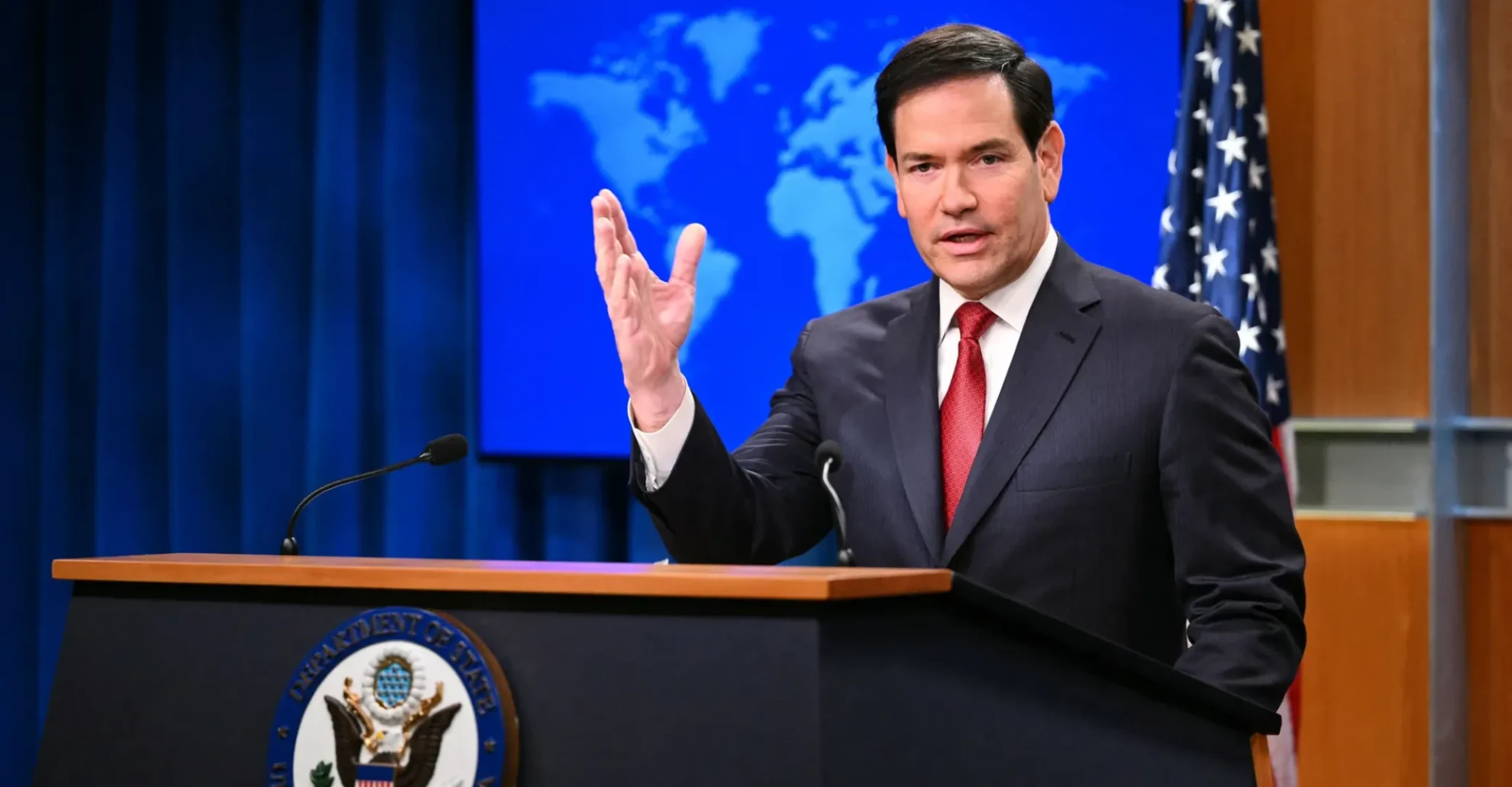
US Secretary of State Marco Rubio denounced Hezbollah's actions in Lebanon, condemning what he called a "reckless call" to overthrow the country's government. This condemnation notes the growing international concern regarding the militant group's influence and activities within the Lebanese political landscape. Rubio accused Hezbollah of pursuing "a deliberate campaign to destabilize" Lebanon through "threats of violence," according to a statement released by the United States. The Secretary of State's remarks show a firm stance against any attempts to undermine the legitimate government of Lebanon. Hezbollah, conversely, cited "Israeli ceasefire violations and strikes on southern Lebanese villages that have killed and wounded civilians" as reasons for its actions, framing its operations as defensive measures.
Hezbollah's Calls for Change
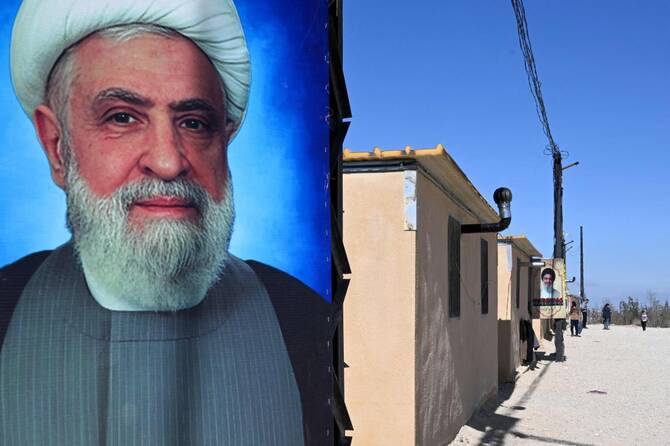
Hezbollah Secretary-General Naim Qassem stated that the Lebanese government should step down if it is "unable to protect the country’s sovereignty." This declaration from Qassem signals a direct challenge to the current administration's authority and effectiveness. Qassem articulated the view that citizens have the right to "take to the streets" to bring down the government, advocating for popular mobilization as a means to achieve political change. He characterized the current situation as a "US-Israeli agenda," implying external influences on Lebanon's political landscape and suggesting that the government is beholden to foreign interests. Qassem’s remarks follow Hezbollah’s previous statements citing "Israeli ceasefire violations and strikes on southern Lebanese villages that have killed and wounded civilians" as justifications for their actions. These statements suggest a call for significant governmental change, linking the government's perceived inability to protect sovereignty with alleged foreign agendas and civilian casualties. The Secretary-General's comments reflect a deep-seated dissatisfaction with the government's performance and its perceived alignment with external powers.
Escalating Regional Conflict
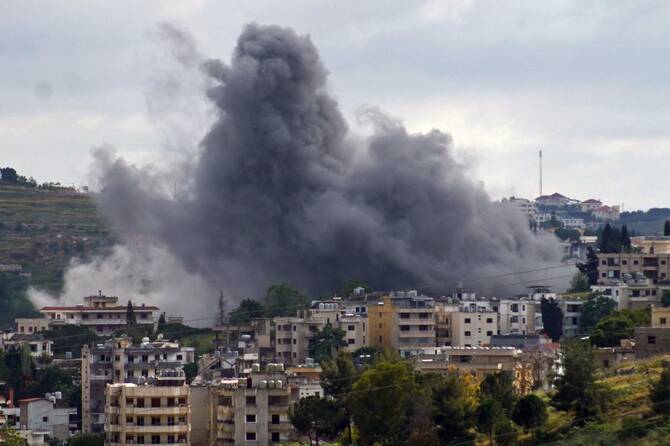
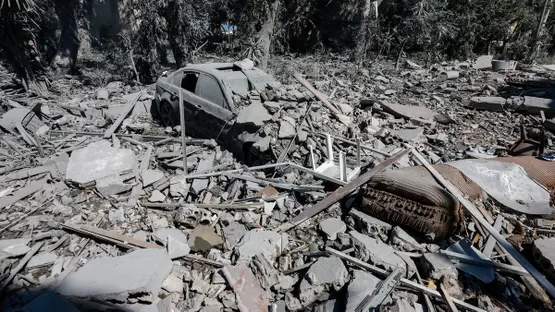
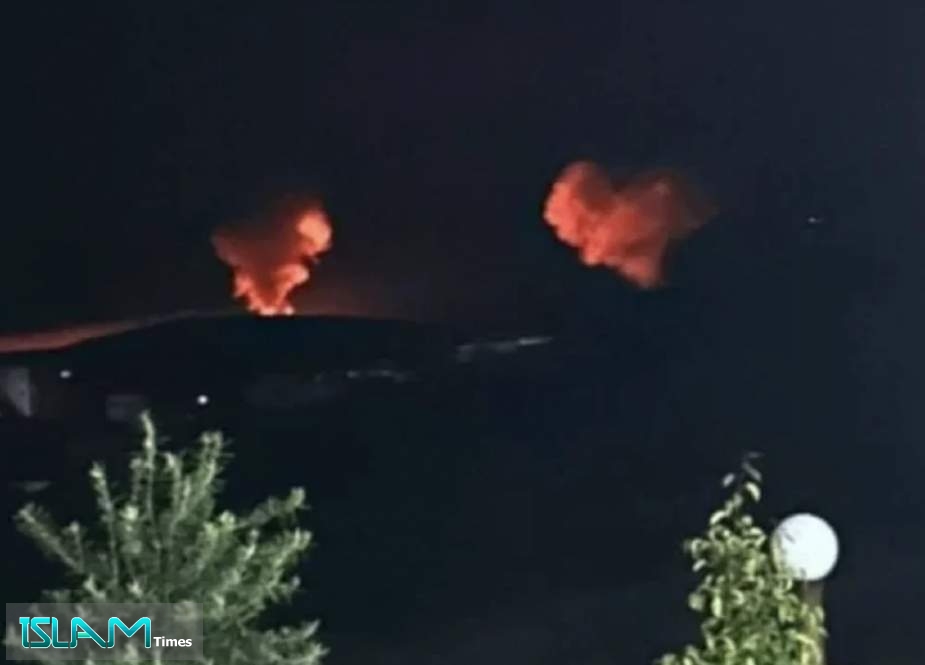
US Secretary of State Marco Rubio accused Hezbollah of continuing attacks on Israeli positions and moving fighters and weapons into southern Lebanon. This accusation points to an ongoing military buildup and persistent engagement in cross-border hostilities, exacerbating regional tensions. Rubio's statement detailed concerns about the group's military activities, which Washington views as directly contributing to instability. Hezbollah, however, states its retaliatory attacks are in response to "Israeli ceasefire violations and strikes on southern Lebanese villages that have killed and wounded civilians." This justification positions their actions as a direct reaction to perceived aggression rather than unprovoked attacks. According to the Lebanese Health Ministry, Israeli attacks on Lebanon since March 2 have resulted in 3,151 deaths and 9,571 injuries. This data from the Health Ministry notes the significant human cost of the ongoing conflict in the region, providing a grim context to the escalating hostilities. The accusations from Secretary Rubio show US concerns regarding Hezbollah's military activities near the Israeli border, particularly the movement of personnel and armaments. Hezbollah's stated justifications frame its actions as a defense against perceived Israeli aggression, emphasizing the cycle of violence and retaliation.
US Support and Warnings
US Secretary of State Marco Rubio issued a warning that Hezbollah's "threats of violence" would ultimately fail. This strong admonition from the US top diplomat indicates a clear rejection of Hezbollah's tactics and objectives. Rubio's statement showed the US position on the ongoing political tensions in Lebanon, signaling Washington's commitment to the existing governmental structure. The United States also expressed its support for the Lebanese government, stating it stands with the government "as it works to restore its authority and build a better future for all its people." This declaration from the United States comes as Hezbollah continues to cite "Israeli ceasefire violations and strikes on southern Lebanese villages that have killed and wounded civilians" as justifications for its actions and calls for governmental change. The US stance emphasizes its commitment to the stability of the current Lebanese administration amidst these internal and external pressures, viewing the government as the legitimate representative of the Lebanese people. This support aims to bolster the government's capacity to address national challenges and maintain sovereignty.