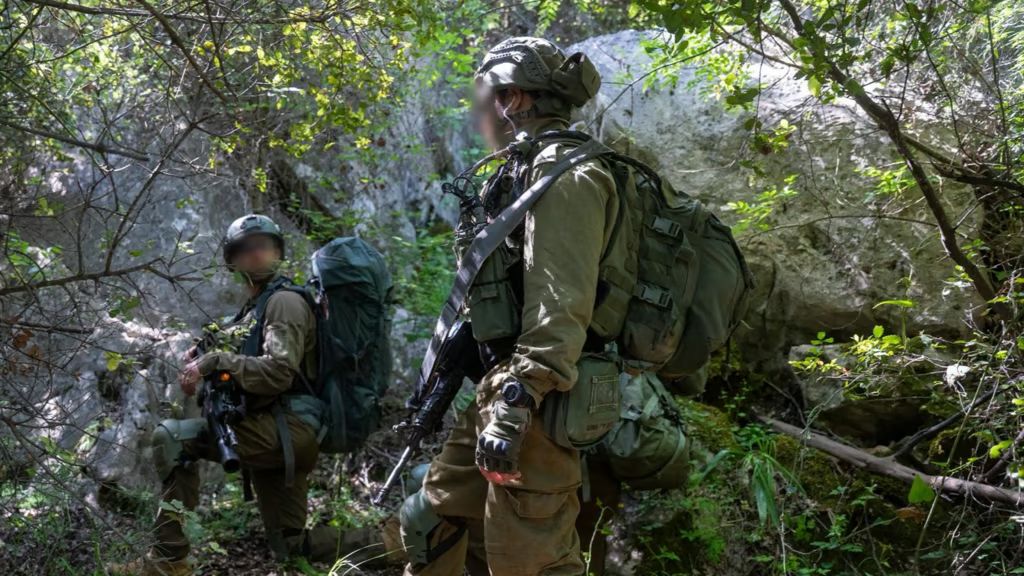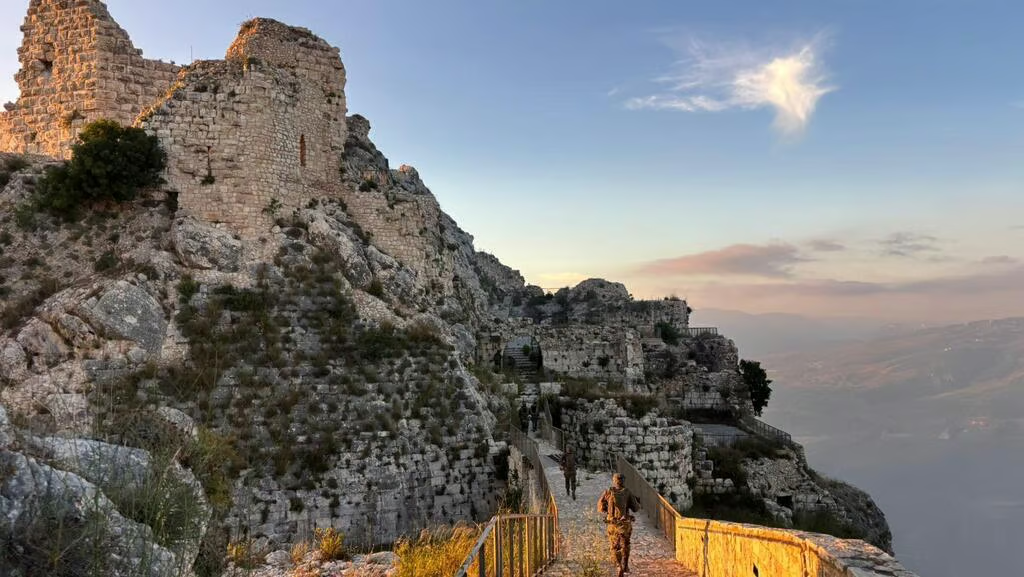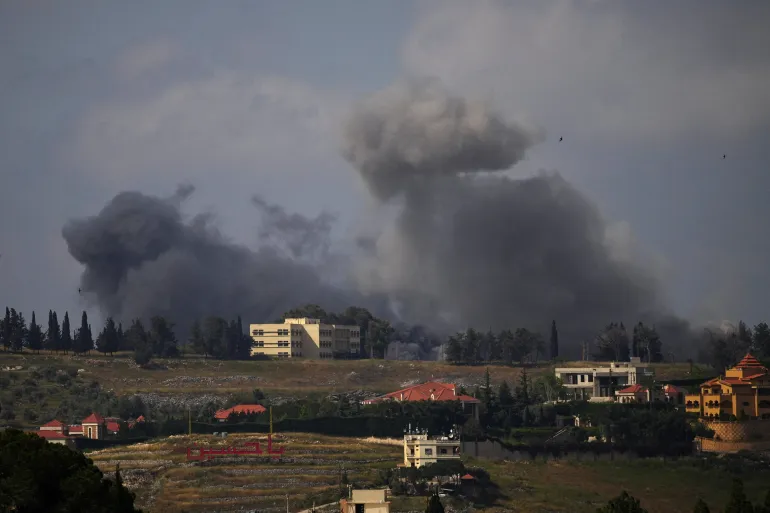
The Israeli army announced the capture of the Beaufort Castle (Qalaat al-Shaqif) in southern Lebanon, marking a significant development on the 93rd day of the conflict with Iran. This ancient fortress, located near the Zahrani River within the Marjayoun district, is strategically positioned on the Beaufort Ridge overlooking the Wadi al-Salouqi. Its seizure follows sustained military operations in the region. The castle's location provides a commanding view over several Lebanese towns, including Nabatieh, Arnoun, Kfar Tebnit, Kfar Remman, and Kfarjouz. Control of the site is seen as a key objective in the ongoing Israeli military actions in southern Lebanon, representing a critical gain in the expanding conflict. The Israeli army claimed to have captured the Beaufort Castle (Qalaat al-Shaqif), further solidifying its presence in southern Lebanon.
US-Iran Deal Dynamics
US President Donald Trump stated he is in "no hurry" for a deal with Iran, telling Fox News that the United States is getting what it wants "slowly but surely" in negotiations. American media outlets reported that Mr. Trump requested several amendments to a preliminary agreement with Iran during a meeting on Friday. This request for changes came amidst intense diplomatic efforts surrounding the potential accord. The New York Times reported that Mr. Trump has "toughened the terms" of the potential framework, indicating a more stringent stance from the US side. Axios also reported that the president asked for "several amendments" to the preliminary agreement, showing the White House's intent to reshape the proposed deal. These reported amendments suggest a desire to secure more favorable conditions for the United States before committing to a final agreement.
Iranian state media reported that a proposed memorandum of understanding with the United States included an agreement to release $12 billion in frozen assets. This potential release of funds is a significant point of contention and a key component of the broader negotiations. Mr. Trump emphasized a key condition for any future agreement, stating, "The one guarantee that I have to have is that there will be no nuclear weapons." This statement reiterates a core US demand regarding Iran's nuclear program. He also indicated a deliberate US strategy regarding Iran's military capabilities, stating the US intentionally refrained from targeting Iran’s military. Mr. Trump cited Iraq as an example of a failed approach, remarking, "You look at what happened with Iraq; we did so badly, that was such a foolish thing." This perspective suggests a cautious approach to military intervention and a preference for diplomatic pressure over direct confrontation with Iran's armed forces. The President's comments highlight a strategic decision to avoid escalation that could destabilize the region further, drawing lessons from past conflicts.
In a separate development, the US military stated its forces "disabled" a Gambia-flagged ship that was attempting to sail towards an Iranian port. This incident occurred amidst the ongoing discussions and US positioning regarding Iran, signaling continued vigilance over maritime activities linked to the Islamic Republic. The disabling of the vessel shows the US commitment to enforcing sanctions and preventing material support from reaching Iran, even as diplomatic channels remain open for a potential deal. This action serves as a clear message about the boundaries of permissible activity during these sensitive negotiations.
Iran's Military Posture
Rear Admiral Habibollah Sayyari, deputy army commander for coordination, issued a warning regarding Iran's territorial integrity, stating that any aggression against the nation's territory would be met with a more forceful response. Sayyari's comments show Iran's stated defensive posture amidst regional tensions, emphasizing the country's readiness to protect its borders and sovereignty. His remarks reflect a firm stance against any external threats, aiming to deter potential adversaries. The deputy army commander's statement serves as a reminder of Iran's military capabilities and its resolve to respond decisively to any perceived provocations.
In a separate development, the Islamic Revolutionary Guard Corps (IRGC) announced it had shot down a US drone. The IRGC claimed the drone was attempting a "hostile operation" within Iran's territorial waters at the time of the incident. This event marks a direct confrontation regarding airspace and maritime claims, escalating tensions between the two nations. The IRGC's assertion of a hostile operation notes its interpretation of the drone's activities and its commitment to defending what it considers its sovereign territory. The downing of the US drone shows the volatile nature of the region and the potential for miscalculation between military forces.
The IRGC also recently unveiled its newest naval attack craft, named 27 Rajab. The introduction of this vessel notes ongoing efforts by Iran to enhance its naval capabilities, particularly in strategic waterways. The 27 Rajab is designed for swift operations and is intended to bolster Iran's presence and operational capacity in strategic waterways, including the Persian Gulf and the Strait of Hormuz. This new addition to Iran's fleet reflects a focus on asymmetric warfare tactics and the development of agile, fast-moving platforms.
The 27 Rajab vessel is capable of achieving speeds of up to 100 knots (185km/h). This speed capability positions the attack craft as a significant asset for rapid response and interdiction missions within the IRGC's naval arsenal. The development reflects Iran's focus on high-speed, agile platforms for its naval forces, which are key for quick patrols, harassment operations, and potential engagements in confined waters. The introduction of such a vessel indicates Iran's continued investment in its naval defense and projection capabilities, aiming to challenge larger, conventional naval forces through speed and maneuverability.
Israeli Operations in Lebanon
Israel has expanded its invasion into Lebanon, marking its deepest incursion into the country in 26 years. Israeli forces captured the Beaufort Castle, also known as Qalaat al-Shaqif, near the city of Nabatieh in southern Lebanon. The Israeli military issued a warning for residents to flee south of the Zahrani River in southern Lebanon, indicating an expansion of their operational zone and a call for civilian evacuation from areas expected to become active battlegrounds. This directive suggests a significant and potentially prolonged military campaign.
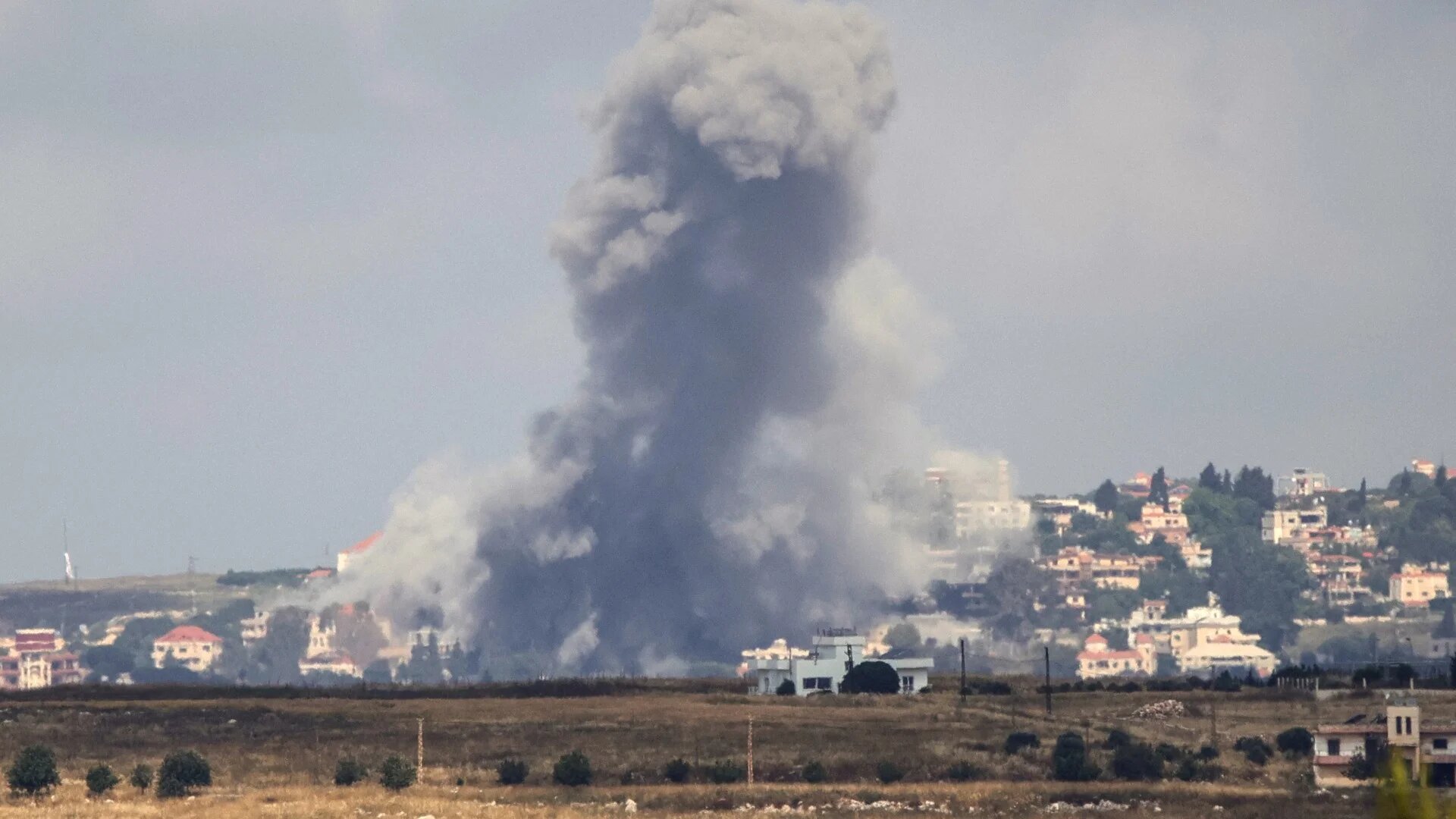
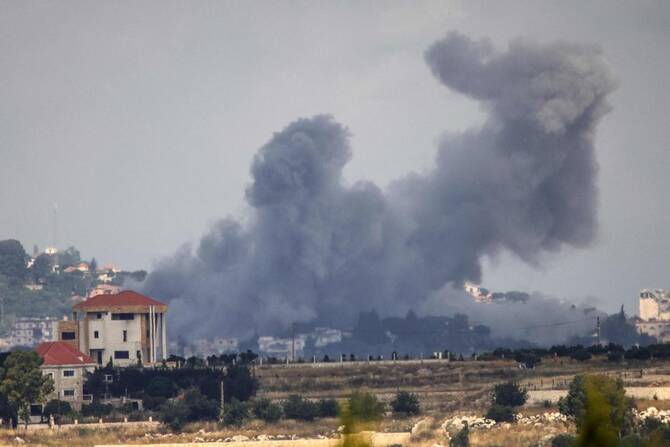
On Sunday morning, Israeli air raids targeted the southern Lebanese towns of Arnoun, Kfar Tebnit, and Kfar Remman. These strikes are part of a broader aerial campaign complementing ground operations. Simultaneously, Israeli shelling hit the Kfarjouz area in the Nabatieh district and the town of Dbeibine in the Marjayoun district, indicating widespread military engagement across southern Lebanon. Israeli military spokeswoman Ella Waweya confirmed that they launched "a large-scale operation" in the Beaufort Ridge and the Wadi al-Salouqi area, providing official confirmation of the scope and intensity of the current offensive. The spokeswoman's statement shows the coordinated nature of the air and ground assaults.
The Israeli military issued a "precautionary directive" following "the identification of launches from Lebanon toward several communities in northern Israel." This directive signals Israel's response to perceived threats originating from Lebanese territory. Israeli forces are advancing in Lebanon as part of expanded ground operations, pushing deeper into the country. The Israeli military also stated that ground soldiers "commenced offensive operations aimed at expanding the Forward Defense Line," indicating a strategic objective to secure a buffer zone or a more defensible border. Reports indicate that Israeli forces had crossed the Litani River as part of these operations, a significant geographical boundary that further deepens the scale of the incursion. This crossing marks a critical point in the military's advance, extending their reach considerably beyond previous operational areas.
Lebanon and Broader Context
Lebanon’s Prime Minister Nawaf Salam accused Israel of pursuing a "scorched-earth policy" in the country. This strong condemnation notes the severe impact of the Israeli operations on Lebanese towns and infrastructure, drawing international attention to the humanitarian consequences of the conflict. Meanwhile, a 21-year-old Israeli soldier was killed in battle in southern Lebanon on Saturday, with four other Israeli soldiers wounded in the same incident. This casualty report shows the dangers faced by Israeli forces on the ground and the human cost of the ongoing invasion. The incident provides a stark reminder of the intensity of the fighting.
The Israeli military issued a "precautionary directive" following "the identification of launches from Lebanon toward several communities in northern Israel." This measure indicates Israel's defensive posture and its efforts to protect its civilian population from cross-border attacks. Israeli forces stated they "commenced offensive operations aimed at expanding the Forward Defense Line," signaling a strategic objective to create a more secure border region. Separately, Congress advanced a US-Israeli military integration plan, amidst the ongoing conflict, demonstrating continued US support for Israel's security objectives and a deepening of defense cooperation between the two allies. This legislative action notes the broader geopolitical implications of the conflict and the enduring strategic partnership between the United States and Israel.