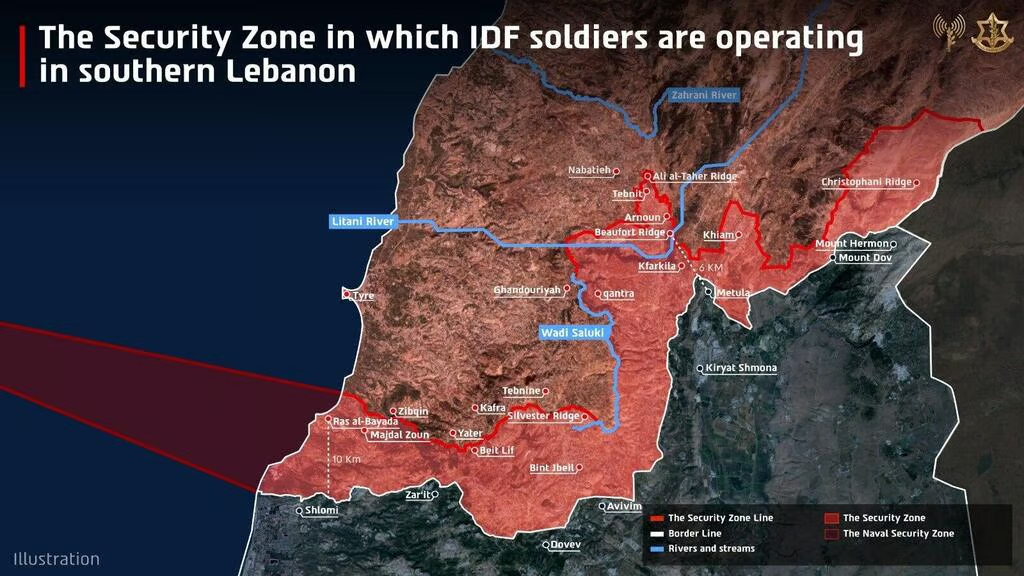
The United States has announced a pilot control zone in southern Lebanon as part of efforts to implement the ceasefire agreement between Israel and Lebanon. This initiative aims to establish a demilitarized area and enhance stability in the volatile border region. CNN reported on July 20 that the US State Department designated three villages in southern Lebanon near the so-called Yellow Line, which is occupied by Israel, for this purpose. The pilot control zone is a key component of broader efforts to stabilize the area following recent hostilities between Israel and Hezbollah. The initiative seeks to bolster the ceasefire by establishing areas where Hezbollah will be barred from operating, thereby reducing the potential for future conflict.
Details of the Control Zone
Under the ceasefire agreement, Israeli forces are to withdraw from three villages in southern Lebanon. Following this withdrawal, the Lebanese Armed Forces will assume security responsibilities in these areas, marking a significant shift in control. Control of the area is to be transferred in stages to the Lebanese Armed Forces, according to the agreement, ensuring a gradual and orderly transition. Lebanese troops were observed patrolling areas that included Bint Jbeil and Nabatieh, signaling an early phase of their deployment and readiness to take on their new roles. This phased transfer aims to ensure a smooth transition of authority and stability in the designated control zone, providing a framework for long-term peace. The initiative marks a significant step in implementing the broader ceasefire between Israel and Lebanon, demonstrating a commitment to de-escalation and security.
The establishment of this pilot control zone is designed to prevent a resurgence of conflict and to create a buffer zone between the parties. The presence of the Lebanese Armed Forces is intended to provide a legitimate and internationally recognized security presence, replacing the previous arrangements. This structured approach to security aims to build confidence and reduce the risk of renewed hostilities in a historically turbulent area.
Context and Sticking Points
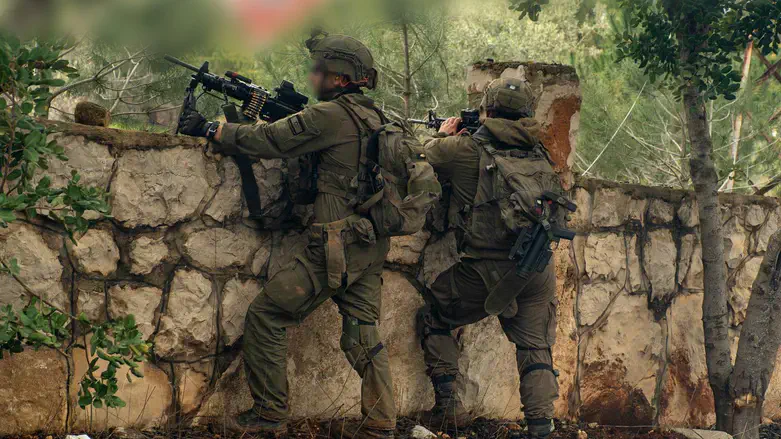
Israel has maintained that it will not complete a full withdrawal from southern Lebanon until Hezbollah is disarmed and pulled back from the border area. This condition represents a significant sticking point in the broader implementation of the ceasefire agreement, noting the complex challenges involved in achieving lasting peace. The presence and activities of Hezbollah remain a central concern for Israel and a key factor in the region's security dynamics.
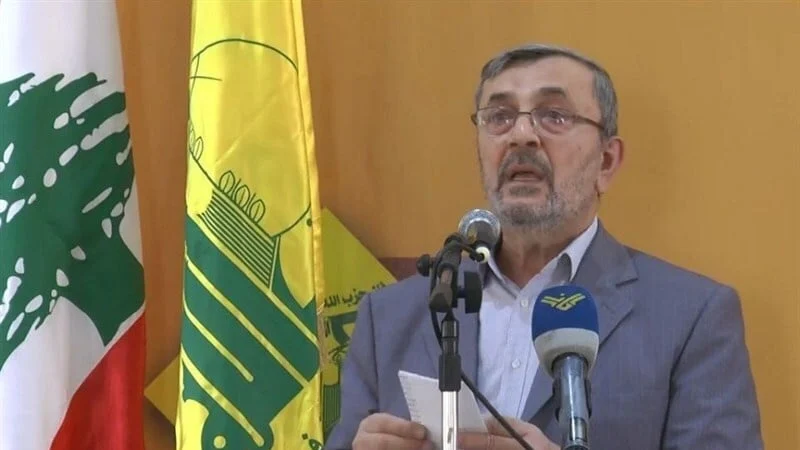
The pilot control zone, established by the United States, specifically aims to address these security concerns by prohibiting Hezbollah from operating within its designated areas. The Iran-backed armed group will be barred from conducting any activities within this zone, which includes the three villages near the Yellow Line. This measure is intended to create a demilitarized buffer and enhance the security arrangements outlined in the ceasefire agreement, directly confronting one of the main obstacles to a full peace. By restricting Hezbollah's operations, the zone seeks to reduce the immediate threat perception and foster an environment conducive to further de-escalation.
Diplomatic Engagement and Future Support
US Secretary of State Marco Rubio met with Lebanese President Joseph Aoun the previous day to discuss mechanisms for implementing the ceasefire agreement. During their meeting, they explored various ways to ensure the effective and sustainable implementation of the ceasefire. The US State Department affirmed that the United States would continue to support Lebanon's efforts toward security, peace, and a better future, according to Secretary Rubio, reiterating a long-standing commitment to Lebanese stability. This announcement from the US came a day prior to President Aoun's scheduled visit to the White House. President Aoun is poised to become the first Lebanese president to visit the White House since 2009, marking a significant diplomatic engagement between the two nations. His visit shows ongoing efforts to stabilize the region and solidify the ceasefire, signaling high-level commitment from both the United States and Lebanon to achieving a durable peace. The timing of these diplomatic efforts notes the urgency and importance placed on the successful implementation of the ceasefire agreement.