Two men were killed in south Lebanon on Sunday, including an engineer in the village of Froun, Bint Jbeil district. The engineer died from the explosion of a foreign object, which authorities stated was left over from Israeli operations. The incidents occurred amidst the ongoing olive harvest in the region, a critical period for the local economy and livelihoods. These recent deaths highlight the persistent dangers faced by civilians in the border areas of southern Lebanon, even during routine agricultural activities.
Harvest Season Turns Deadly
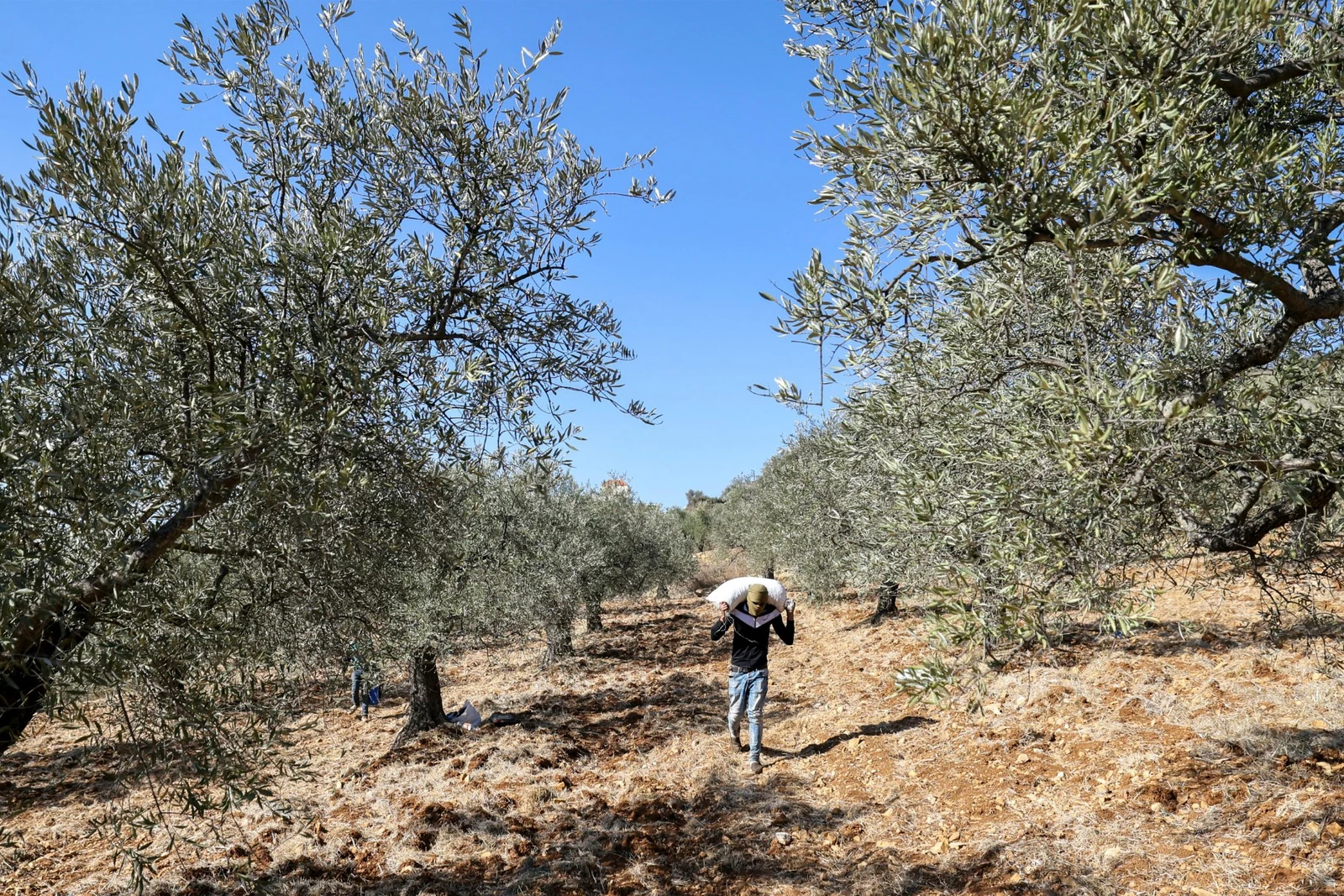
A retired soldier was killed in Yater, located in the Bint Jbeil district, following Israeli artillery shelling that struck the outskirts of the town. The incident occurred as residents were engaged in the annual olive harvest, a tradition deeply embedded in the cultural and economic fabric of the area. One of the victims, an engineer, had traveled from Beirut specifically to participate in the harvest in Froun, before his death from an exploding foreign object. His presence shows the communal effort and personal commitment many individuals have towards this vital agricultural season. These fatalities have cast a somber mood over the agricultural season in southern Lebanon, a region heavily reliant on its olive production for sustenance and income. The dangers posed by both active shelling and remnants of past conflicts continue to impede the safe execution of daily life and essential work.
Escalating Border Tensions
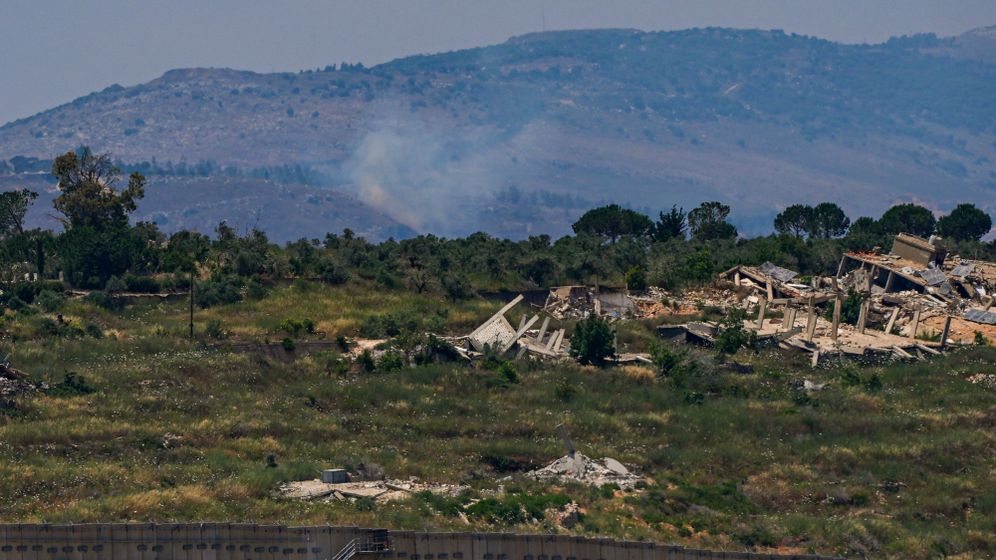
One man was killed by Israeli shelling, further noting the volatile situation along the border. South Lebanon has been the scene of two wars since 2023 on Lebanon, showing the persistent conflict in the area. This historical context contributes to the current tensions affecting residents and their livelihoods, making every harvest season a precarious endeavor. Israeli troops still occupy a band of territory 10 kilometers (six miles) wide running along the border, a factor that continuously shapes the security landscape and contributes to the unpredictable nature of daily life for communities in southern Lebanon. The presence of these troops and the history of conflict, marked by previous military engagements and territorial disputes, contribute to the heightened state of alert for civilians and local authorities. The recent fatalities, including the death from Israeli shelling, are viewed within this broader pattern of cross-border incidents that frequently impact the region, creating an atmosphere of constant vigilance and fear among the population.
Calls for Safety and Decontamination
Another man was killed by an explosive remnant of war, bringing the total number of fatalities in the recent incidents to two. This incident shows the persistent danger posed by unexploded ordnance in the region, which can lie dormant for years before causing tragic accidents. Meanwhile, volunteers from northern Lebanon traveled to Jibshit, approximately eight kilometers (five miles) from the border, to assist local residents with the ongoing olive harvest. Their support notes community efforts to continue agricultural activities despite the dangerous conditions, demonstrating resilience in the face of adversity. The presence of these remnants and the current security concerns are exacerbated by Israel's launch of an intense bombing campaign and ground invasion in early March, which significantly impacted the area, leaving behind further unexploded devices and increasing the risk to civilians. These events intensify calls from local authorities and international organizations for full clearance operations and enhanced safety measures to protect agricultural workers and residents.