US President Donald Trump reportedly urged Israeli Prime Minister Benjamin Netanyahu to withdraw Israeli forces from Syria and Lebanon, according to Axios. The claim suggests a direct communication between the two leaders regarding Israel's military presence in the neighboring countries, noting a potentially significant shift in US foreign policy regarding the Middle East. This reported request came directly from President Trump to Prime Minister Netanyahu, indicating a clear US push for a change in Israel's operational posture in the region. Such an appeal from a US President to an Israeli Prime Minister concerning military deployments in contested territories shows the high-level nature of the discussion and the strategic importance attached to Israel's presence in these areas. The report, if accurate, points to a direct intervention by the United States at the highest echelons of leadership to influence Israel's security operations.
Details of the Instruction
The instruction for Israeli forces to withdraw from Syria and Lebanon was reportedly conveyed during a phone call between US President Donald Trump and Israeli Prime Minister Benjamin Netanyahu last Thursday. This specific communication indicates the precise timing of the US request regarding Israel's military presence in the neighboring countries, marking a particular moment in the ongoing diplomatic dialogue between the two nations. The phone call served as the direct channel for President Trump to urge Prime Minister Netanyahu on this matter, as reported by Axios. The nature of the communication suggests a direct intervention from the US President to his Israeli counterpart concerning regional military deployments, moving beyond general discussions to a specific directive or strong recommendation. This direct engagement on a sensitive military issue reflects the close, yet sometimes complex, relationship between the United States and Israel. The report emphasizes that the request was delivered personally by President Trump, rather than through diplomatic channels, signifying its urgency and importance from the US perspective.
Regional Context
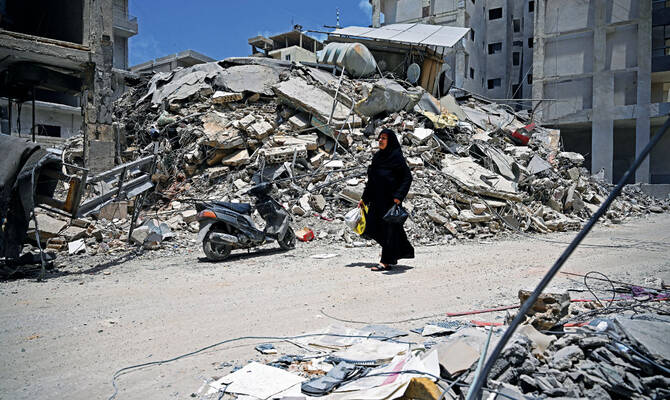
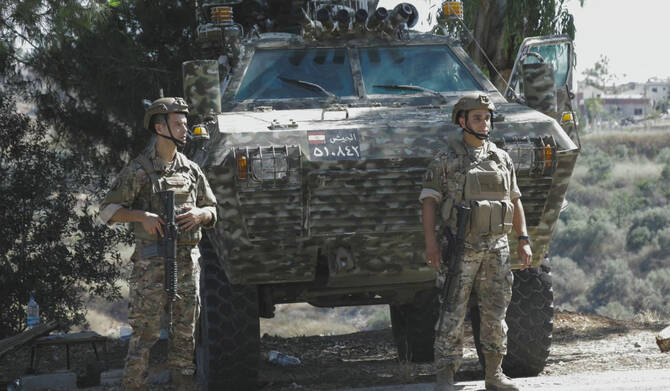
Israel is currently occupying parts of Syria and Lebanon, a situation that forms the critical backdrop for the reported US request. This ongoing presence includes the Golan Heights, a territory captured from Syria in the 1967 Six-Day War and effectively annexed by Israel in 1981, though this annexation is not recognized internationally and remains a significant point of contention in the region. In Lebanon, Israel maintains a presence through its control over the Shebaa Farms, a small area disputed by both Israel and Lebanon, as well as by Syria. The dispute over Shebaa Farms has been a recurring source of tension along the Israel-Lebanon border, contributing to regional instability. The reported urging from President Trump to Prime Minister Netanyahu to withdraw forces from these areas shows the international sensitivity surrounding Israel's military and territorial footprint in its neighboring countries. The territories are subject to long-standing disputes and have been flashpoints for regional conflict, with various international bodies and nations calling for resolution. Any change in Israel's military posture in these areas would have profound implications for the delicate balance of power and security dynamics across the Levant.
Source and Reporting
Axios reporter Barak Ravid was the individual who reported this information, attributing the details of the reported exchange between US President Donald Trump and Israeli Prime Minister Benjamin Netanyahu to well-placed sources. Ravid's report indicated that President Trump had urged Prime Minister Netanyahu to withdraw Israeli forces from Syria and Lebanon during a recent phone call, providing a specific account of the high-level diplomatic exchange. The report from Axios provided the initial account of the US President's request for a change in Israel's military posture in the region, bringing this significant development to public attention. This reporting provided specific insights into high-level diplomatic communications concerning a sensitive geopolitical matter, offering a rare glimpse into the private discussions between two world leaders on a critical security issue. The credibility of the source and the specificity of the details lend weight to the report, prompting further examination of US-Israel relations and regional stability.