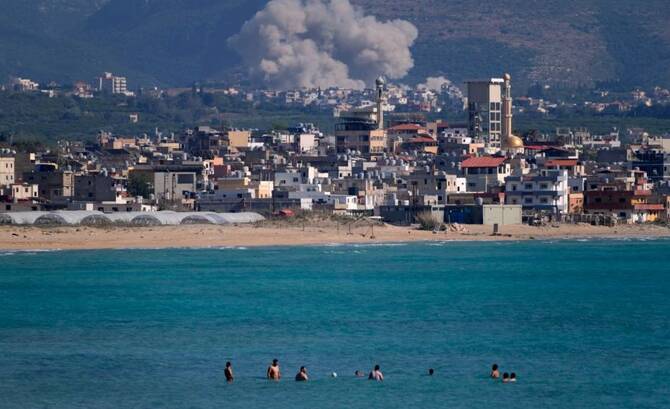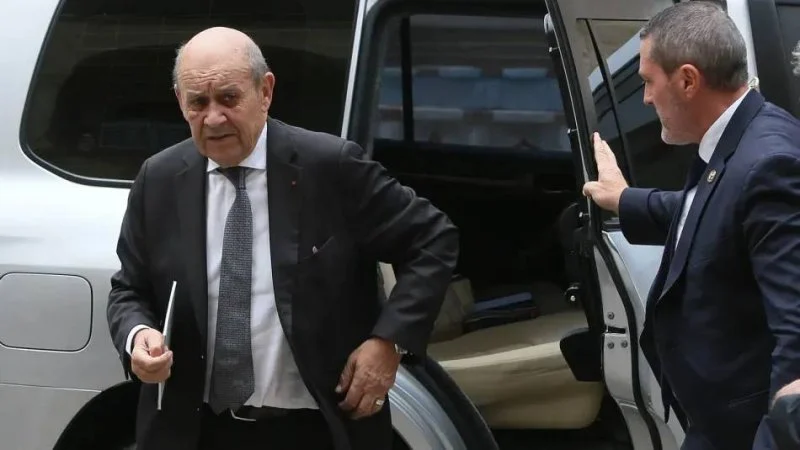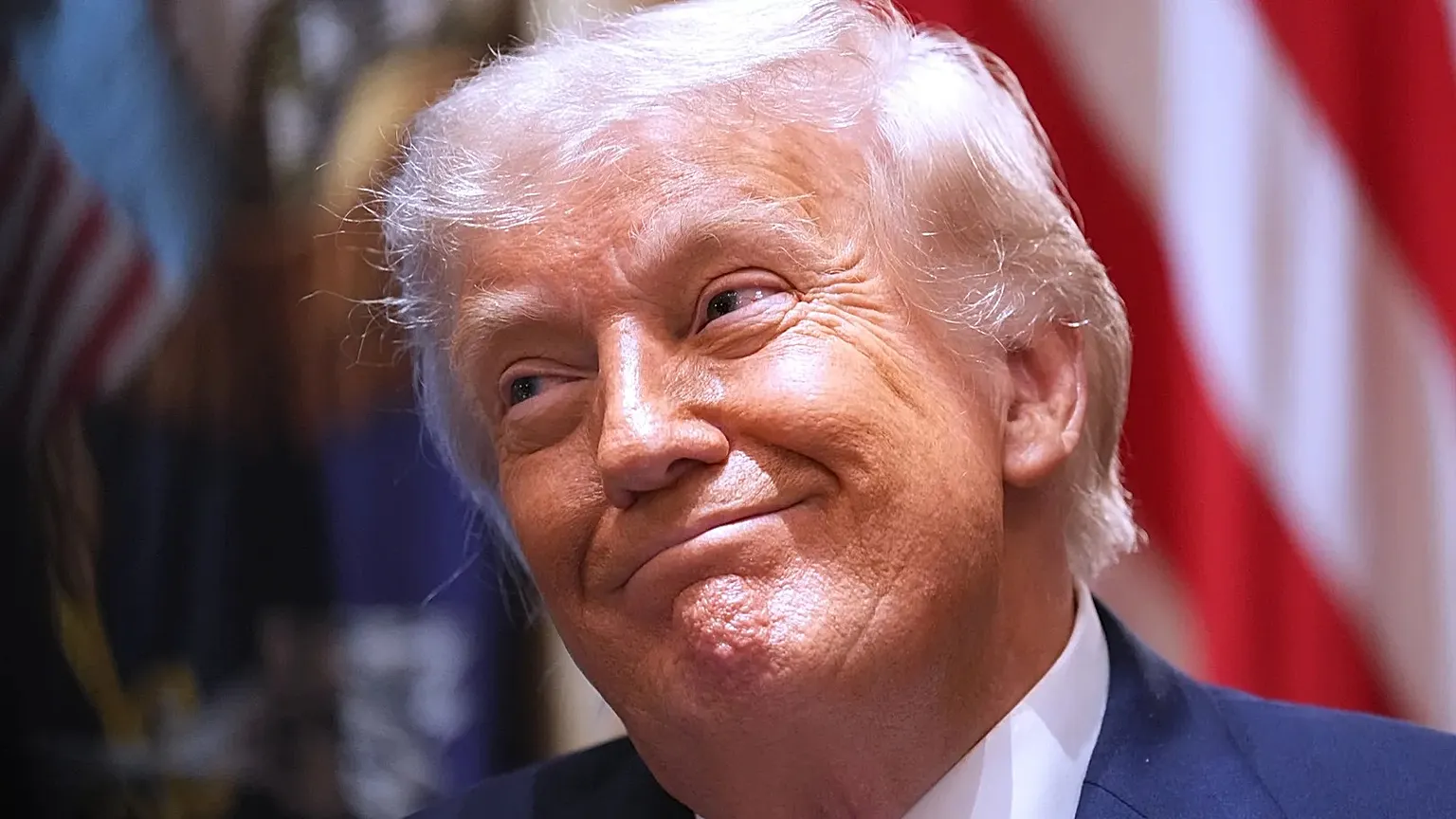
US President Donald Trump confirmed reports of a heated exchange with Israeli Prime Minister Benjamin Netanyahu following an Israeli airstrike in Tyre, Lebanon. Rescue workers were searching for victims under the rubble of a building hit in the Monday strike. Trump described the call as "crazy" and indicated he was "a little bit perturbed" by the Israeli military action in Lebanon. The confirmation from Trump adds details to ongoing reports regarding the communication between the two leaders concerning regional military operations, specifically related to curbing Israeli military action in Lebanon.
Trump's Frustration Detailed
The phone call between Donald Trump and Benjamin Netanyahu reportedly involved expletives, according to sources familiar with the exchange. Trump expressed that he was "a little bit perturbed" by Israel's military engagement with Hezbollah militants in Lebanon. He indicated that this conflict was impeding potential peace discussions with Iran. The former President's frustration reportedly stemmed from his belief that the ongoing hostilities in Lebanon were complicating broader diplomatic efforts in the region, particularly those aimed at fostering peace talks with Iran. Trump explicitly stated he was "a little bit perturbed" that Israel's fighting with Hezbollah militants in Lebanon was holding back these key peace talks.
The heated discussion centered on the ongoing military operations and their broader implications for regional stability. Trump's strong reaction showed his concern that the conflict could derail his administration's diplomatic initiatives. The intensity of the conversation, marked by the reported use of expletives, notes the significant disagreement between the two leaders regarding the approach to the situation in Lebanon and its potential ripple effects across the Middle East. This direct confrontation between the US President and the Israeli Prime Minister brought to light the underlying tensions concerning military strategy and diplomatic priorities.
Context of Lebanon Conflict
The phone call between Donald Trump and Benjamin Netanyahu focused on efforts to curb Israeli military action in Lebanon. This conversation took place amid ongoing hostilities in the region. Meanwhile, rescue workers continued to search for victims under the rubble of a building in Tyre, Lebanon, following an Israeli airstrike. That search effort was underway on Tuesday, June 2, 2026, as international concern mounted over the escalating conflict. The Israeli airstrike in Tyre, Lebanon, occurred on Monday, prompting immediate rescue operations. The building hit in the strike left a scene of devastation, with emergency services working tirelessly to locate survivors.
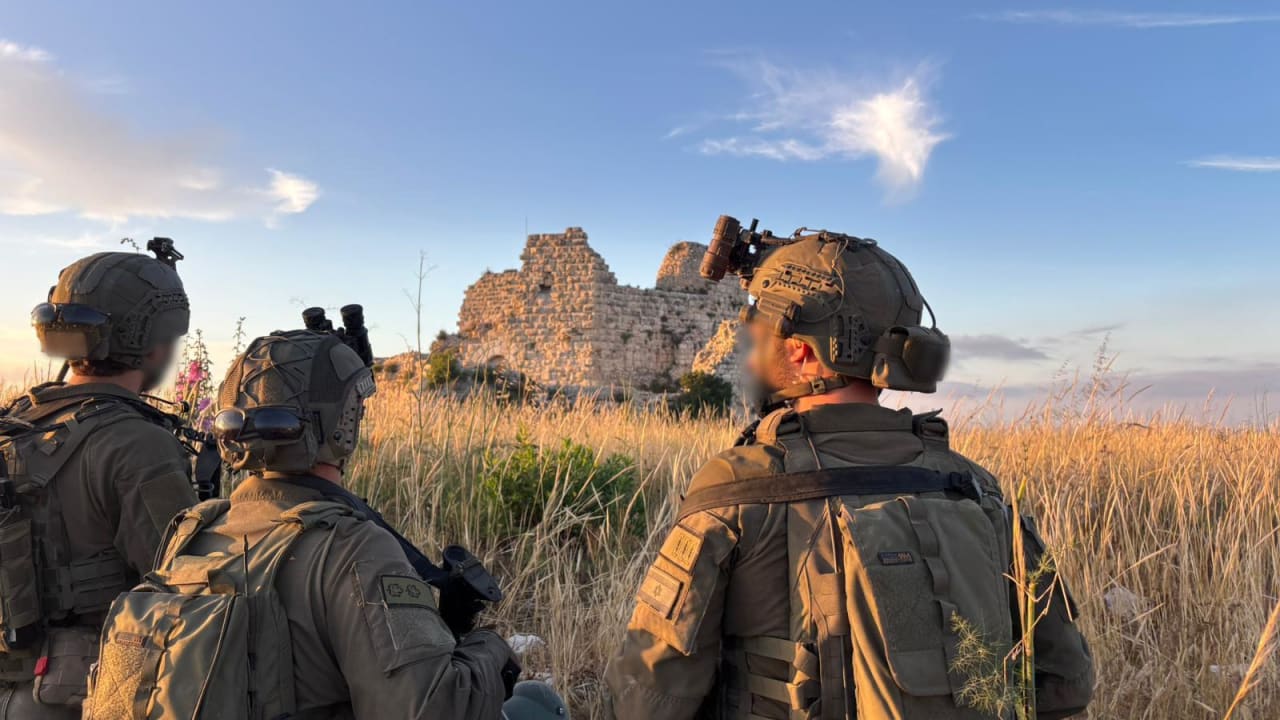
The Israeli military action has been a point of contention in diplomatic discussions, particularly regarding its potential impact on broader regional stability and the prospect of peace talks with Iran. The sustained military engagement with Hezbollah militants in Lebanon has been a significant factor in the regional calculus, drawing sharp criticism from various international actors. The humanitarian consequences of such strikes, as evidenced by the search for victims in Tyre, further amplify the urgency of diplomatic interventions. The ongoing conflict poses a complex challenge to any efforts aimed at de-escalation and long-term peace in the Middle East.
Confirmation and Timing
Donald Trump confirmed the details of his heated exchange with Israeli Prime Minister Benjamin Netanyahu in an interview published by the New York Post. The article, which detailed the former President's account of the phone call and his frustration with Israeli military action in Lebanon, was published on Wednesday, 03/06/2026. Trump's confirmation provided further insight into the communication between the two leaders regarding the situation in Lebanon, specifically addressing his perturbation over the conflict's impact on potential peace talks with Iran. This interview offered a rare glimpse into the private diplomatic exchanges at the highest levels, confirming the severity of the disagreement. The timing of the publication, shortly after the reported events, ensured that the details of the contentious call quickly entered the public discourse.