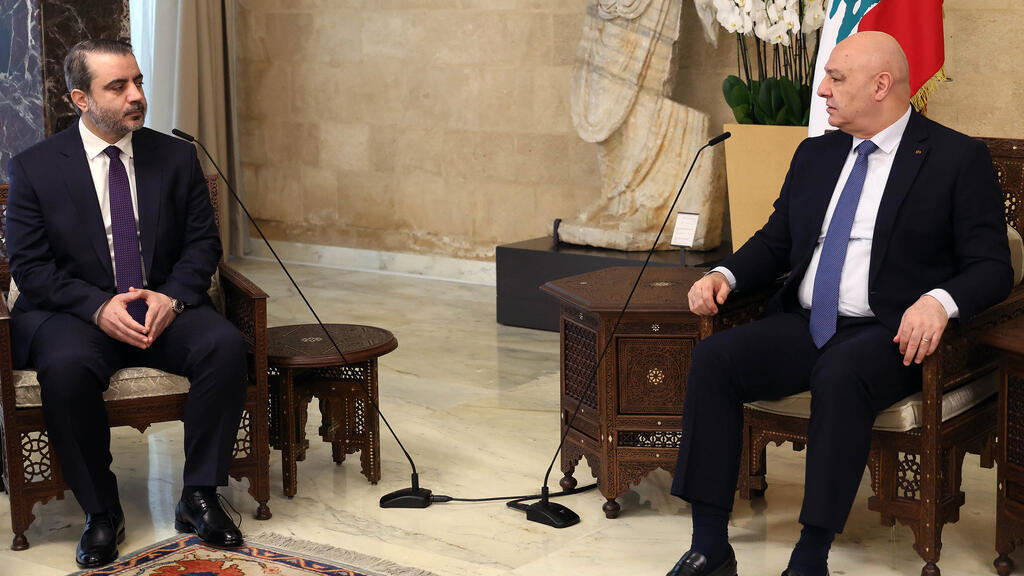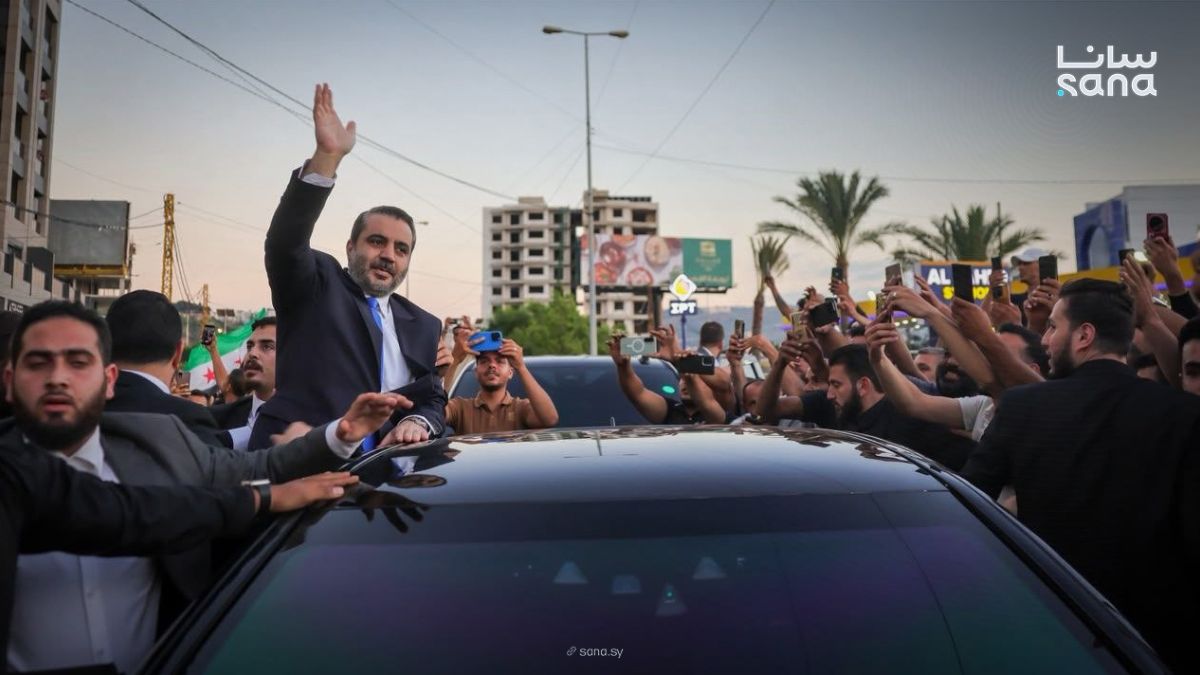
Syrian Foreign Minister Asaad al-Shaibani concluded a visit to Lebanon, described by the Syrian Foreign Ministry as "historic," aiming to boost bilateral ties between the two countries. During his time in Beirut, Mr. Al-Shaibani engaged in discussions with Lebanese President Joseph Aoun. Their talks centered on strengthening bilateral relations, developing economic cooperation, and reviewing regional and international developments impacting both nations. The visit, which saw Mr. Al-Shaibani engage with a wide array of Lebanese political and religious leaders, showed a concerted effort by Damascus to re-engage with its western neighbor on multiple fronts. This high-level diplomatic outreach is seen as a significant step towards normalizing and enhancing the relationship between the two states, which share deep historical and cultural ties.
Analyst and international affairs researcher Mahmoud Alloush commented on the significance of the visit, stating, "Syrian Foreign Minister Asaad al-Shaibani’s second visit to Lebanon differs in importance from the first, given the regional contexts in which it comes." This visit marks a notable engagement between high-level officials from Syria and Lebanon, signaling intent to address shared challenges and opportunities. The focus on economic cooperation notes efforts to deepen collaboration beyond political discourse, aiming for tangible benefits for both economies. The full agenda of the visit, encompassing political, economic, and social dimensions, reflects a strategic approach by Syria's new administration to foster a more strong and stable relationship with Lebanon.
High-Level Engagements and Key Agreements
Syrian Foreign Minister Asaad al-Shaibani conducted a series of meetings on Thursday, July 2, 2026, as part of his visit to Lebanon. These engagements included discussions with Lebanese President Joseph Aoun, Parliament Speaker Nabih Berri, and Prime Minister Nawaf Salam. The breadth of these meetings, involving the highest echelons of Lebanese political leadership, showed the importance Syria placed on this diplomatic initiative. During the visit, an agreement was signed in Beirut between Syria and Lebanon to establish the Syrian-Lebanese Higher Committee. This committee is envisioned as a key mechanism for institutionalizing cooperation and ensuring sustained dialogue between the two nations across various sectors. The signing of this agreement was a concrete outcome, demonstrating a mutual commitment to structured engagement.
The meeting with Parliament Speaker Nabih Berri marked a significant moment, as it was the first interaction between a senior Syrian official and Speaker Berri since Syria's new administration took office. This particular engagement was closely watched by political observers, given Speaker Berri's influential role in Lebanese politics. Both sides, as stated by Syrian Foreign Minister Asaad al-Shaibani and Lebanese Prime Minister Nawaf Salam, "stressed the importance of respecting the sovereignty of the two countries, activating the Syrian-Lebanese Higher Committee, and expanding areas of economic cooperation." This emphasis on sovereignty and economic collaboration indicates a mutual desire to strengthen bilateral ties on a foundation of respect and shared prosperity. The discussions between Mr. Al-Shaibani and Prime Minister Salam further solidified the commitment to practical cooperation, exploring avenues for joint projects and trade facilitation.
The discussions focused on operationalizing the newly formed Syrian-Lebanese Higher Committee, which is intended to serve as a mechanism for deepening cooperation across various sectors. This committee is expected to convene regularly to address issues ranging from trade and infrastructure to security and border management, providing a formal channel for resolving disputes and advancing shared interests. The commitment to expanding economic cooperation suggests efforts to move beyond political dialogue into tangible areas of mutual benefit for both nations, such as facilitating cross-border trade, coordinating on energy projects, and promoting investment. Analyst and international affairs researcher Mahmoud Alloush commented on the broader context of the visit, noting, "Syrian Foreign Minister Asaad al-Shaibani’s second visit to Lebanon differs in importance from the first, given the regional contexts in which it comes." This notes the evolving regional dynamics influencing the bilateral relationship and the strategic timing of Syria's diplomatic overture. The engagements show a renewed diplomatic push between Damascus and Beirut, focusing on structured channels for future interactions and joint initiatives, aiming to foster a more stable and cooperative regional environment.
Dialogue with Religious and Political Leaders
Beyond the official governmental meetings, Syrian Foreign Minister Asaad al-Shaibani engaged with prominent religious figures in Lebanon, including a meeting with Lebanon’s Grand Mufti Abdul Latif Derian. During their discussion, al-Shaibani showed the significance of reinforcing fraternal relations between the two nations, emphasizing the deep-rooted cultural and social ties that bind the Syrian and Lebanese peoples. Their dialogue also focused on consolidating the principles of pluralism and coexistence within Lebanon, a theme of particular importance given Lebanon's diverse confessional landscape. The engagement with the Grand Mufti noted a diplomatic effort to connect with key spiritual leaders in the country, emphasizing shared values and stability as cornerstones for a strong bilateral relationship. This outreach to religious authorities demonstrated a full approach to building bridges across different segments of Lebanese society.
Continuing his outreach in northern Lebanon, al-Shaibani traveled to Tripoli, a significant urban center with a diverse population. In the city, he met with Mufti of Tripoli and the North Sheikh Mohammad Tarek Imam. This meeting further extended the Syrian Foreign Minister’s engagement with influential religious authorities outside of the capital, reflecting a broader strategy to connect with diverse segments of Lebanese society and reinforce the message of cooperation across geographical and sectarian lines. The discussions in Tripoli are consistent with the overall objective of strengthening bilateral ties, particularly through religious and community leaders who hold significant sway in their respective regions and can help foster understanding and mutual respect. This direct engagement with local religious leaders is a key component of Syria's strategy to build broad-based support for improved relations.
Beyond religious leaders, al-Shaibani also held a meeting with political figures, including Kataeb Party head Samy Gemayel. This interaction with a prominent Lebanese political party leader represented another facet of the Syrian Foreign Minister's diplomatic agenda during his visit, showcasing a willingness to engage with a wide spectrum of political viewpoints. Engaging with leaders across the political spectrum demonstrates an effort to foster a full dialogue, addressing various viewpoints within the Lebanese political landscape and seeking common ground for future cooperation. The meeting with Mr. Gemayel was part of the broader series of high-level engagements conducted by al-Shaibani, which aimed to reinforce channels of communication and cooperation between Syria and Lebanon, signaling Syria's desire for an inclusive dialogue with all Lebanese political forces.
Strategic Objectives and Regional Context
Syrian Foreign Minister Asaad al-Shaibani met with Maronite Patriarch Cardinal Bechara Boutros al-Rahi, where they discussed methods to support coexistence, strengthen stability, and develop relations between the Syrian and Lebanese peoples. This meeting with the head of the Maronite Church, a key figure in Lebanon, further showed the full nature of al-Shaibani's diplomatic tour, aiming to reassure and engage all major communities. Additionally, Mr. Al-Shaibani held a meeting with former Progressive Socialist Party leader Walid Jumblatt, a veteran political figure with considerable influence in the Druze community. During this discussion, the importance of preserving Syria’s unity and sovereignty was emphasized, a key message from the Syrian side. The Syrian Foreign Minister also met with Lebanese Forces Party leader Samir Geagea to discuss developing bilateral relations and the importance of continued dialogue and coordination between the two sides, further illustrating Syria's intent to engage with diverse political factions.
Analyst and international affairs researcher Mahmoud Alloush stated that the visit aimed to affirm that Damascus does not intend to intervene militarily in Lebanon. This assurance is critical for building trust, especially given the historical context of Syrian-Lebanese relations. Mr. Alloush also indicated that the visit sought to present an initiative proposed by Syrian President Ahmed al-Sharaa to resolve the ongoing Lebanese crisis. This initiative suggests a proactive role for Syria in regional stability, offering solutions to Lebanon's protracted challenges. The analyst noted that the visit aimed to translate messages from Syrian President Ahmed al-Sharaa toward the Shiite component in Lebanon, indicating a focused diplomatic effort to communicate directly with this significant community.
Alloush believes that "Syria’s new administration seeks to build relations with various Lebanese forces, regardless of their previous positions on the Syrian file." This approach signals a departure from past diplomatic strategies, emphasizing a forward-looking perspective focused on reconciliation and cooperation. He added that openness to dialogue with Hezbollah is important for Damascus to play a role in solving the Lebanese crisis, recognizing the influential position of the party within Lebanon's political landscape. According to Alloush, "Syria is concerned that the situation in Lebanon could slide into more dangerous levels. In his assessment, this is pushing Damascus to encourage internal understandings among Lebanese forces, help contain tensions, and prevent them from worsening." This concern for Lebanese stability shows Syria's broader regional interests and its desire to see a peaceful resolution to internal Lebanese issues, which directly impact its own security and economic prospects. The full nature of Foreign Minister al-Shaibani's visit, spanning high-level governmental meetings, engagements with religious leaders, and dialogues with diverse political figures, collectively signals a strong and multifaceted diplomatic push by Syria's new administration to re-establish and strengthen its relationship with Lebanon.