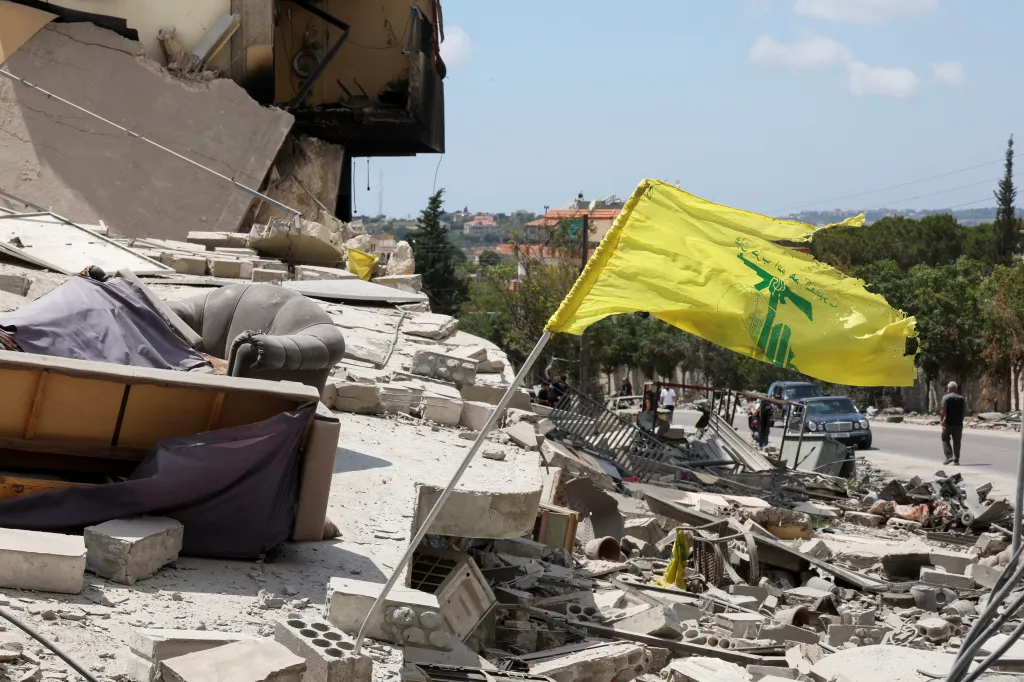
New survey data indicates significant shifts in public opinion within Syria and Lebanon regarding Hezbollah and potential relations with Israel, revealing a complex and evolving regional landscape. In Syria, a substantial 68% of respondents described Hezbollah’s involvement in the country as negative, with a significant 52% specifically calling it “very negative.” This strong sentiment reflects deep-seated concerns among the Syrian populace regarding the group's presence and activities within their borders. A majority of Syrians, 53%, also stated they would support a new Syrian government signing a security arrangement with Israel, indicating a potential willingness to consider new geopolitical alignments for stability. Meanwhile, in Lebanon, 58% of respondents expressed support for President Joseph Aoun’s efforts to strengthen the Lebanese Army and negotiate Hezbollah’s disarmament, noting a desire for national sovereignty and reduced influence of non-state actors. Both surveys were conducted with a margin of error of plus or minus 5 percentage points, ensuring a degree of statistical reliability for the reported findings.
Syrian Public Opinion Shifts
A recent survey reveals that 57% of Syrians anticipate future peace with Israel, a notable finding given the historical context of conflict in the region. While a majority holds this view, support for a security arrangement with Israel has seen a decline among Syrians, dropping from 64% in January to 53% in June. This 11-percentage-point decrease over a five-month period suggests a nuanced and perhaps more cautious approach developing among the Syrian public concerning immediate security agreements. Concurrently, perceptions of the United States' role in Syria's political and economic affairs have also shifted. The percentage of Syrians viewing the US role positively fell from 65% in January to 51% in June, indicating a decrease in favorable sentiment over the five-month period. This 14-percentage-point drop notes a significant change in how Syrians perceive external actors influencing their nation's trajectory. These figures suggest a complex and evolving landscape of public opinion within Syria regarding regional relations and international involvement. The data points to a potential tempering of optimism for immediate security arrangements with Israel, even as a long-term prospect of peace remains a majority view. The decline in positive views of the US role also notes changing dynamics in how Syrians perceive external actors influencing their country's future, potentially reflecting a desire for greater self-determination or a reaction to specific events.
Lebanese Sentiment on Hezbollah
Public opinion in Lebanon indicates growing concerns regarding Hezbollah's military role within the country. A recent survey found that 59% of Lebanese residents perceive Hezbollah’s military presence as having a negative impact on national security. This sentiment reflects a significant portion of the population expressing apprehension about the group's armed status and its implications for Lebanon's stability and sovereignty. The widespread support for President Joseph Aoun's initiatives to bolster the national army and seek Hezbollah's disarmament further shows this public desire for a unified state authority. This 58% support for President Aoun's efforts signals a clear preference for the strengthening of official state institutions over non-state military actors.
Concurrently, the survey data suggests a shift in Lebanese perspectives on potential future relations with Israel. A 41% plurality of Lebanese residents now believes that eventual peace between Israel and Lebanon is likely. This figure indicates a notable segment of the population considering the possibility of a peaceful resolution, despite historical tensions and ongoing regional dynamics. This openness to future peace contrasts with traditional narratives and suggests a potential for evolving diplomatic pathways. The findings come amid broader discussions within Lebanon about the country's security architecture and its relationships with neighboring states, with a clear public inclination towards national security being managed by the state. The survey provides a snapshot of evolving public attitudes in Lebanon, noting both domestic concerns about armed groups and a measurable openness to future peace prospects, which could significantly impact the country's political discourse and future foreign policy directions.
Poll Methodology and Context
The Council for a Secure America commissioned the polls, which were conducted by YouGov through an online panel. The surveys gathered data from May 26 to June 1, providing a timely snapshot of public sentiment. A total of 252 Syrian adults and 260 Lebanese adults were interviewed as part of the research, ensuring a representative sample within the stated margin of error. The polls were undertaken shortly after President Trump announced an agreement to end the United States' war with Iran, providing a specific geopolitical context to the public sentiment captured. This announcement may have influenced perceptions of regional stability and the roles of various international actors, contributing to the shifts observed in both Syrian and Lebanese public opinion regarding security arrangements and future peace prospects. The methodology employed, relying on an online panel, allowed for efficient data collection across these populations, offering valuable insights into the complex dynamics of public opinion in a politically charged region.