More than 640,000 displaced individuals in Lebanon have returned to their homes following a recent deal to end the war, the International Organization for Migration (IOM) reported. The returns mark a significant movement of people back to areas previously affected by conflict. This development comes as parts of Lebanon, including southern Lebanon, Beirut's southern suburbs, and Sidon, begin to recover from the displacement. The IOM has been monitoring the return process across the country, providing key insights into the evolving humanitarian situation. The organization's efforts are vital in tracking the progress of recovery and identifying areas where assistance is still needed.
Scale of Displacement and Return
The International Organization for Migration (IOM) reported on Thursday that 646,107 internally displaced persons (IDPs) have started returning to their communities. This figure is based on data collected in coordination with local authorities since June 22. The IOM also stated that approximately 500,000 other individuals remain displaced across Lebanon. These return movements signify a critical phase in the country's post-conflict recovery, with a substantial portion of the displaced population now back in their places of origin. The IOM's detailed monitoring provides a full picture of the scale of both returns and ongoing displacement, noting the dynamic nature of population movements in the aftermath of the conflict. The coordination with local authorities ensures the accuracy and relevance of the data collected, which is essential for effective humanitarian planning and response.
IOM Report Details
The International Organization for Migration (IOM) report provides a detailed overview of the displacement and return movements within Lebanon. The organization has been actively monitoring the situation across various regions of the country. Data compiled by the IOM, in coordination with local authorities, indicates significant shifts in population distribution following the ceasefire. These figures contribute to a broader understanding of the humanitarian impact of the conflict and the subsequent recovery efforts. The IOM’s full assessment covers areas such as southern Lebanon, Beirut's southern suburbs, and Sidon, where many displaced individuals have now returned to their communities. The report notes the ongoing need for continued monitoring and support for both returnees and those who remain displaced. The IOM's data, collected since June 22, has been instrumental in tracking the progress of these returns and assessing the immediate needs of the population. This systematic approach allows for a more targeted and efficient allocation of resources to support affected communities.
Context of Conflict
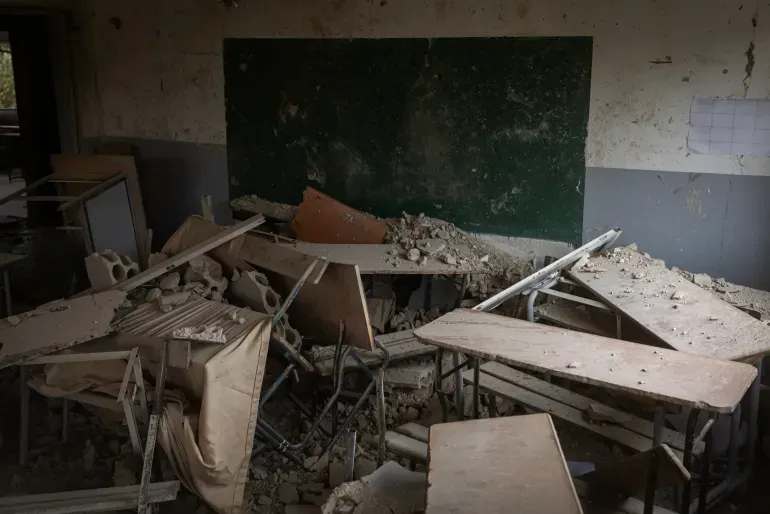
Lebanese authorities report that Israeli attacks have resulted in approximately 4,300 fatalities and the displacement of over one million people. These displacements have primarily affected residents of southern Lebanon and Beirut's southern suburbs. The scale of these attacks shows the severe humanitarian crisis that necessitated widespread displacement. The reported fatalities and displacement figures highlight the profound impact on civilian populations and infrastructure. The cessation of hostilities, leading to the recent deal to end the war, has been a key factor enabling the return of hundreds of thousands of people. However, the long-term consequences of these attacks continue to pose significant challenges for recovery and reconstruction efforts in the affected regions.
Ongoing Displacement
Approximately 500,000 individuals remain displaced across Lebanon, according to the International Organization for Migration (IOM). This figure represents those who have not yet returned to their homes following the recent ceasefire deal. Many of these individuals were displaced from areas such as southern Lebanon and Beirut's southern suburbs due to Israeli attacks. The IOM continues to monitor the situation, noting that while over 640,000 people have returned, a substantial number still require support and assistance in their current locations. This ongoing displacement presents significant humanitarian challenges, including the need for shelter, food, and access to essential services for those unable to return. The IOM's data, collected in coordination with local authorities since June 22, provides a clear picture of the scale of this lingering crisis. The organization stresses the importance of continued international and local efforts to address the needs of these half a million individuals who are still awaiting a safe and sustainable return to their homes.