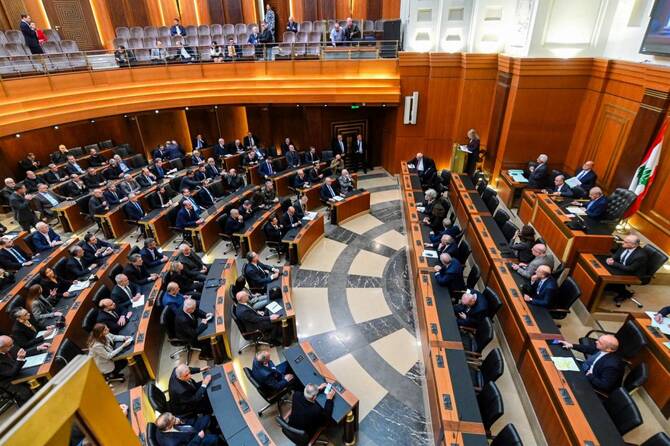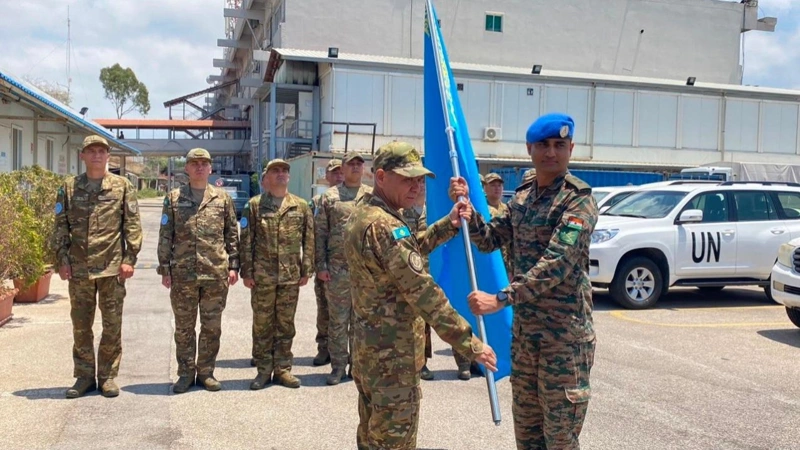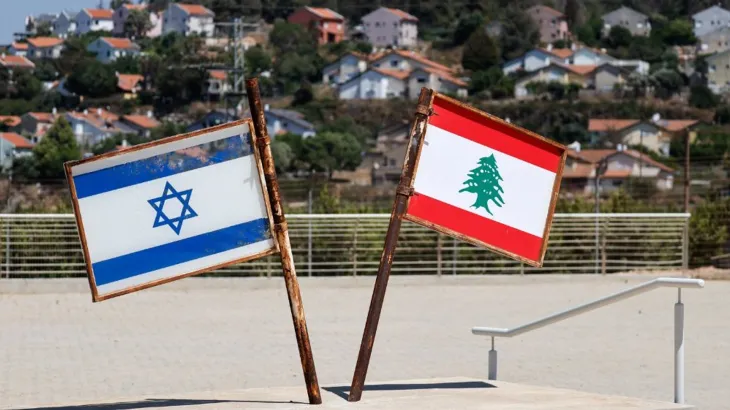
A round of talks between Israel and Lebanon recently concluded in Italy, aiming to address ongoing issues between the two nations. These discussions were specifically focused on advancing a potential deal designed to bring stability to the volatile border region, though significant obstacles have reportedly emerged during the process. The negotiations in Italy represent a key continuation of diplomatic efforts, building upon a framework established by a US-brokered agreement reached just last month. This report was published on 15 Jul 2026.
Conflicting Demands Surface
The US-brokered agreement, which provided the foundational framework for the recent talks, outlines a full plan. Key components of this framework include the disarming of Hezbollah and a phased-out Israeli withdrawal from southern Lebanon. These provisions are central to the proposed deal. Lebanon, for its part, has consistently insisted on the complete and unconditional withdrawal of Israeli troops from its territory as a prerequisite for any lasting peace. This demand reflects a long-standing national position regarding its sovereignty. Conversely, Israel maintains its firm insistence that Hezbollah lay down its weapons, viewing this as a key component of any lasting accord and a fundamental requirement for its own security. These deeply divergent demands and non-negotiable stances have presented significant hurdles in the ongoing negotiations, making progress particularly challenging for the mediators involved. The chasm between these two core demands remains a primary impediment to reaching a mutually acceptable resolution.
Hezbollah's Stance
Hezbollah is reportedly rejecting the proposed deal, which aims to address long-standing issues between Lebanon and Israel. The group's rejection introduces a significant challenge to the ongoing diplomatic efforts in Italy, as its cooperation is seen as vital for the implementation of any agreement concerning southern Lebanon. The current framework, brokered by the United States, explicitly includes provisions for the disarming of Hezbollah and a phased withdrawal of Israeli forces from southern Lebanon. From its perspective, Lebanon has consistently called for a complete Israeli withdrawal from its territory as part of any agreement, emphasizing sovereignty. Israel, in turn, has maintained its insistence that Hezbollah disarm as a fundamental condition for a durable accord, citing security concerns. Hezbollah's outright rejection of the proposed terms shows the complexity of the situation and notes the difficulty in securing consensus among all involved parties. This opposition directly impacts the viability of the US-brokered agreement's core tenets.
Humanitarian and Territorial Context
The backdrop against which these negotiations are taking place is marked by severe humanitarian and territorial challenges. Since March, the Israeli military has been responsible for the deaths of more than 4,000 Lebanese citizens, a grim statistic that shows the intensity of the conflict. During the same period, the military has also displaced over 1 million Lebanese from their homes, creating a significant internal displacement crisis and exacerbating humanitarian needs across the country. These profound humanitarian impacts coincide with Israel's ongoing occupation of 600 square kilometers within southern Lebanon. The territorial control and the dire humanitarian situation form a critical and pressing backdrop to the discussions aimed at a potential deal between Lebanon and Israel. Addressing these deeply entrenched issues is considered critical for any sustainable resolution. The scale of human suffering and territorial dispute adds immense pressure to the diplomatic process.
US-Brokered Agreement Details
The discussions in Italy are a direct continuation of diplomatic efforts initiated by a US-brokered agreement reached last month. This agreement established the foundational framework for the current talks, which aim to address long-standing issues between Lebanon and Israel. The United States has played a central and active role in facilitating these negotiations, acting as the primary mediator between the two nations. The agreement explicitly calls for the disarming of Hezbollah, a key demand from the Israeli side, and a phased-out Israeli withdrawal from southern Lebanon, a core Lebanese demand. The full nature of this framework was intended to provide a roadmap for resolving decades of conflict. However, the emerging obstacles in Italy suggest that translating this framework into a concrete, implementable deal faces considerable resistance, particularly regarding the specifics of disarming Hezbollah and the timeline for Israeli withdrawal.