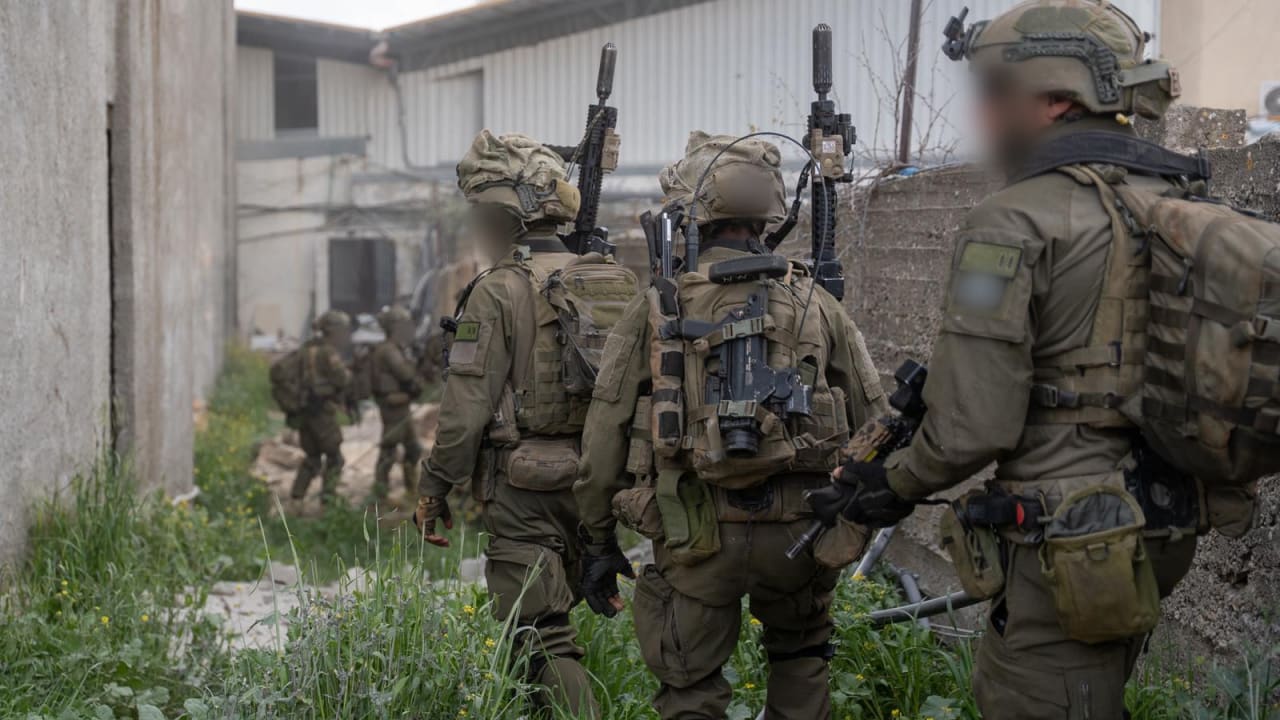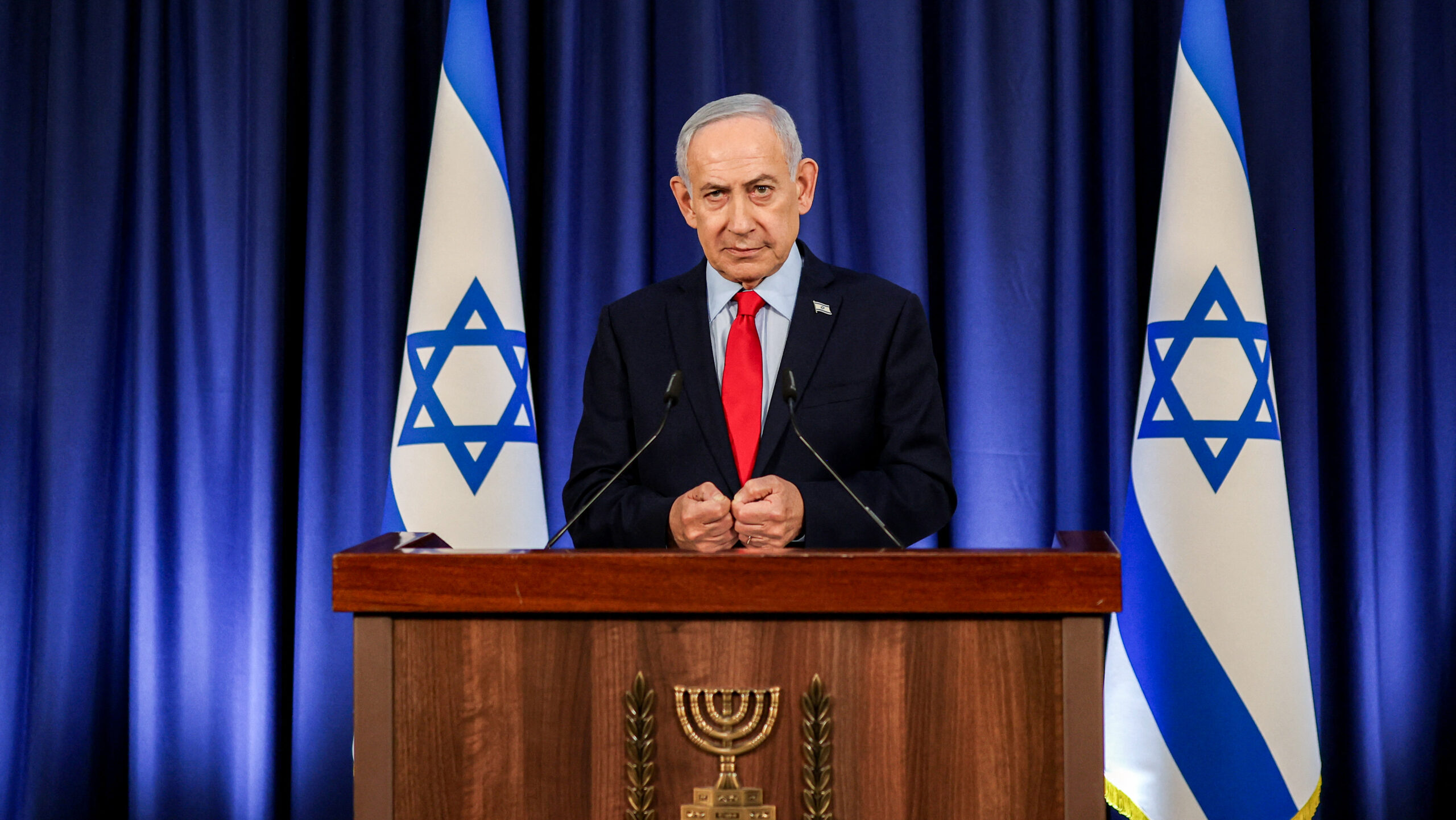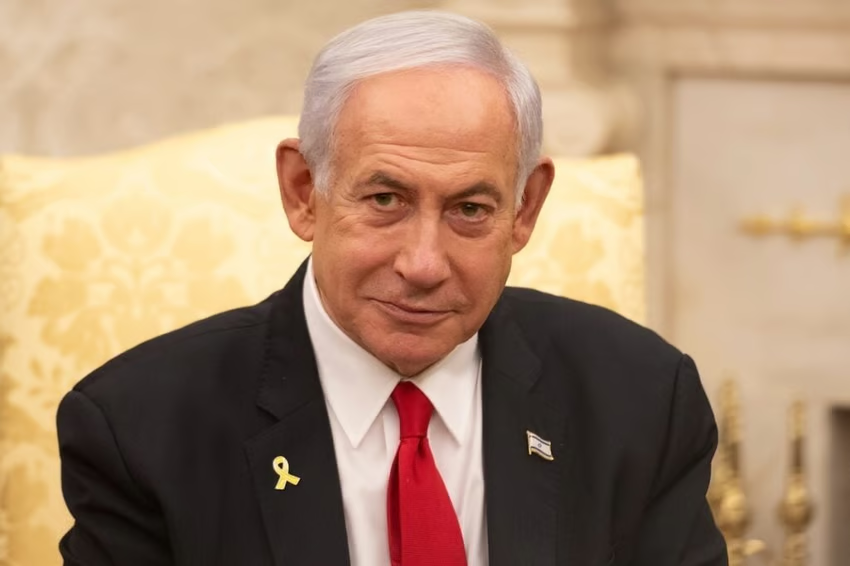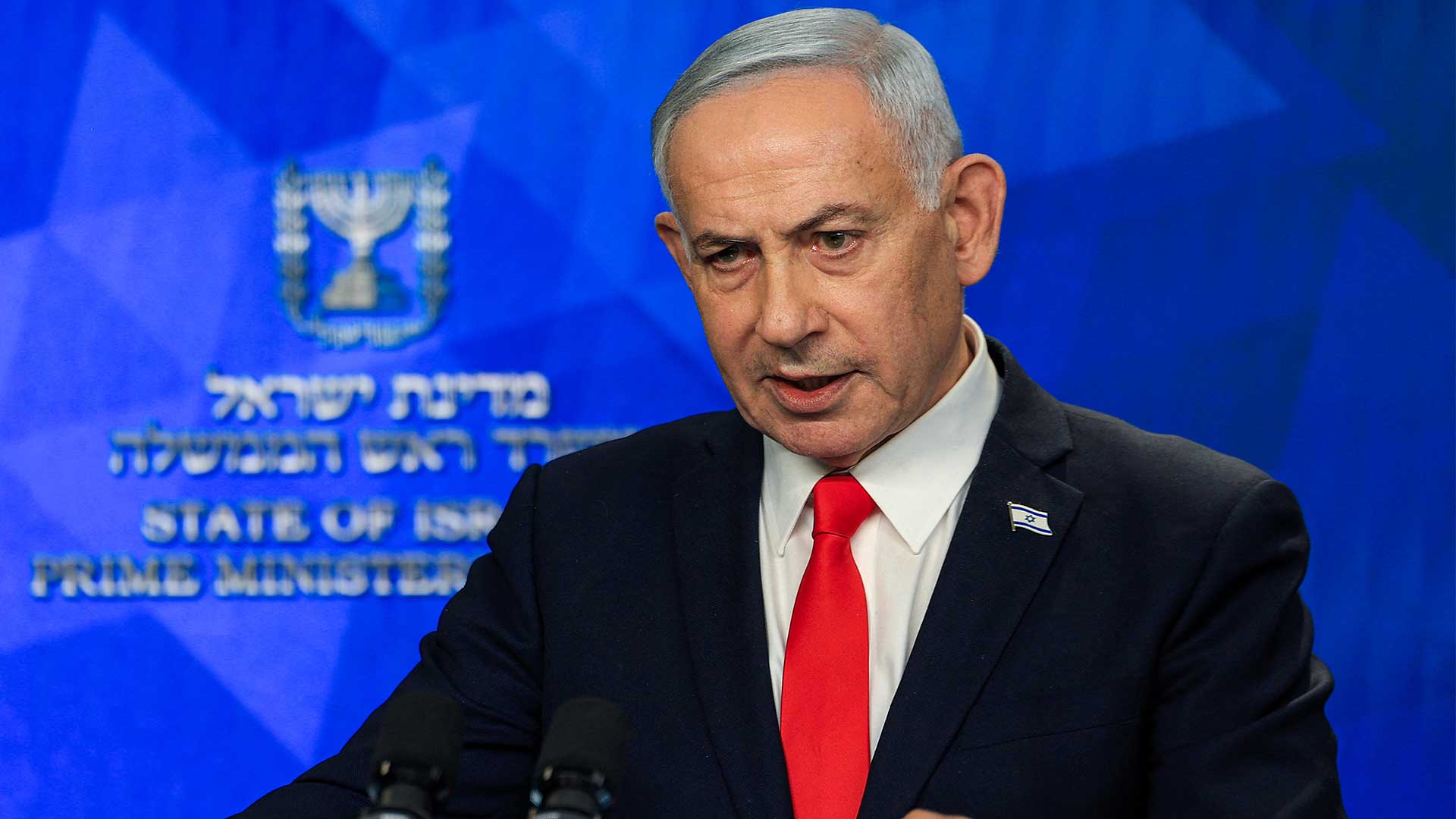
Israeli Prime Minister Benjamin Netanyahu announced on Monday that Israeli forces would maintain a prolonged military presence in Gaza, Lebanon, and Syria. Speaking at a televised press conference, Mr. Netanyahu declared the establishment of "deep security zones around the State of Israel." He stated, "We did this in Gaza, in Lebanon, and in Syria. And I want to make it clear: we will remain in these security zones for as long as necessary to protect our country." The Prime Minister's declaration on Monday showed a strategic decision to project Israeli security interests across its borders, even as broader regional dynamics shift.
Security Zones Established Amidst Regional Flux
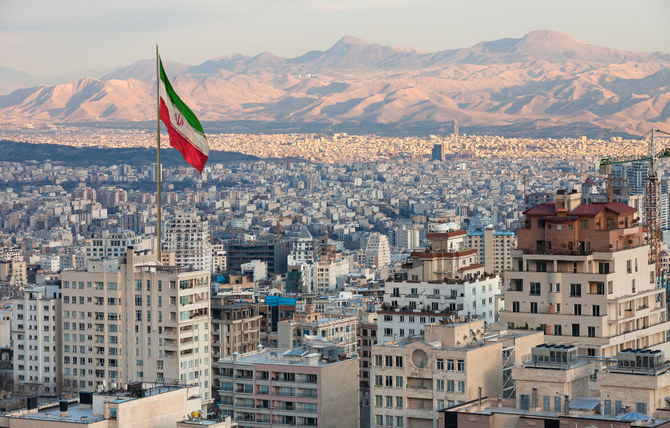
The announcement regarding Israel's long-term military deployment came at a critical juncture for regional stability. The Strait of Hormuz, a key waterway carrying roughly one-fifth of global oil and gas exports, had been effectively closed following US-Israeli strikes on Iran. This military action by the United States and Israel triggered a broader regional escalation, leading to significant economic disruption. In response to the disruption in the Strait, Tehran introduced transit fees for commercial shipping, further exacerbating tensions and impacting global trade. This action caused a sharp rise in global energy prices, sending ripples through international markets. However, in a move signaling a potential de-escalation, US President Donald Trump announced that oil tankers had resumed transiting the Strait of Hormuz, indicating a partial return to normalcy for this vital shipping lane.
Regional De-escalation Agreement Precedes Netanyahu's Statement
Prime Minister Benjamin Netanyahu's remarks on Monday followed a significant diplomatic breakthrough. The United States and Iran had announced an agreement to end months of military confrontation across the Middle East. This key agreement, aimed at stabilizing the volatile region, was mediated by Pakistan, noting its growing role in international diplomacy. Under the terms of the accord, Washington and Tehran agreed to an "immediate and permanent termination" of military operations in the region. This commitment from both powers marked a substantial effort to dial down hostilities that had characterized the preceding months. Further technical negotiations are expected to take place in the coming days to iron out the specifics of the agreement. A formal signing ceremony is scheduled to occur in Switzerland on Friday, marking a significant step towards regional de-escalation following the recent tensions and providing a framework for future stability.
Netanyahu's Strategic Rationale
Israeli Prime Minister Benjamin Netanyahu directly linked the establishment of new security zones to the recent agreement between the United States and Iran. He indicated that the enduring military presence in Gaza, Lebanon, and Syria is essential for Israel's long-term security, irrespective of broader diplomatic efforts. The Prime Minister's declaration, made during his televised press conference, follows the broader regional de-escalation agreement, which saw the United States and Iran commit to an "immediate and permanent termination" of military operations in the Middle East. Netanyahu emphasized that these security measures are designed to protect Israel, asserting that forces "will remain in these security zones for as long as necessary to protect our country." This stance suggests Israel's intention to maintain an independent security posture despite the broader regional diplomatic shifts.
Broader Implications for Region
The long-term military presence vowed by Prime Minister Benjamin Netanyahu in Gaza, Lebanon, and Syria signals a sustained Israeli security posture in the Middle East. This declaration comes despite the recent agreement between the United States and Iran to achieve an "immediate and permanent termination" of military operations in the region. Israel's continued presence in these areas could introduce new dynamics into the regional security landscape, which has seen fluctuating tensions recently. The establishment of "deep security zones" around Israel suggests a strategic realignment, even as diplomatic efforts, such as those mediated by Pakistan leading to the US-Iran accord, aim for de-escalation across the Middle East. The interplay between Israel's declared security needs and the broader regional peace initiatives will be a key factor in determining the future stability of the Middle East.