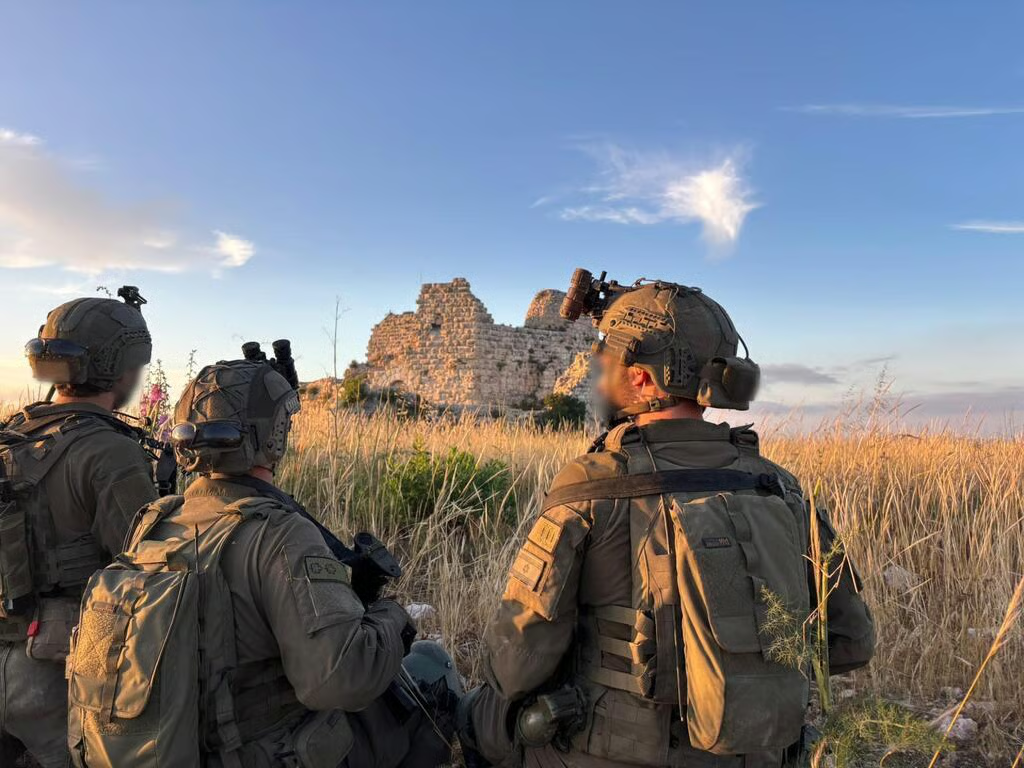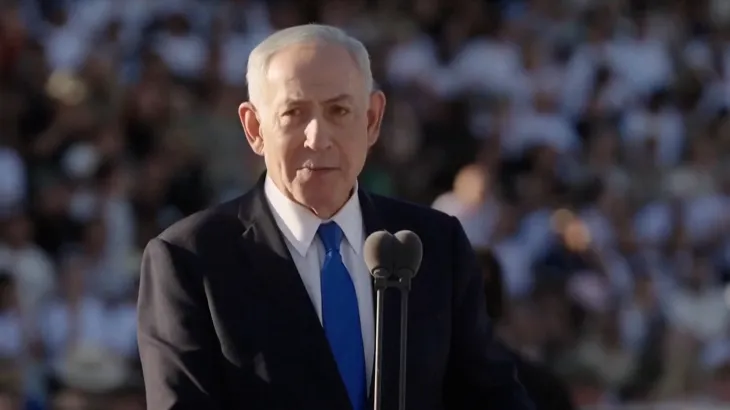
Israeli Prime Minister Benjamin Netanyahu declared on June 25, 2026, that Israel plans to maintain a military presence in Lebanon, Syria, and Gaza for an indefinite period. Speaking at a graduation ceremony for combat officers in southern Israel, Mr. Netanyahu stated, "We will remain in Lebanon, Syria, and Gaza as long as required." The remarks indicate a long-term strategic outlook for Israeli operations in these territories, signaling a significant policy direction regarding regional security. This declaration shows Israel's commitment to addressing perceived threats from its northern and southern borders, projecting a posture of enduring engagement in areas critical to its defense doctrine.
Statement Details and Location
Israeli Prime Minister Benjamin Netanyahu made his announcement on June 25, 2026. The statement occurred during a graduation ceremony for combat officers, which was held in southern Israel. This setting, addressing newly commissioned military personnel, provided a high-profile platform for articulating a key strategic policy. Mr. Netanyahu articulated Israel's intent to maintain an ongoing military presence in Lebanon, Syria, and Gaza. His remarks emphasized that this presence would extend "as long as required," suggesting a conditional but open-ended commitment rather than a fixed timeline. This declaration outlines a long-term strategic posture for Israeli forces in these territories, signaling an indefinite commitment to military operations in the specified regions. The location and context of the statement, addressing graduating combat officers, showed the operational implications of the policy and the readiness required from the military. The address served to reinforce the strategic rationale behind Israel's security operations to its future military leadership.
Regional Security Context
Regional security dynamics in the Middle East continue to be shaped by various geopolitical factors, including ongoing conflicts and strategic interests of regional powers. The broader context involves the complexities of border security, the presence of non-state actors, and the long-standing disputes between nations. Israel's stated intention to maintain a presence in neighboring territories reflects a strategic approach aimed at addressing perceived security threats and safeguarding its borders. This approach is often framed within Israel's national security considerations, which prioritize preventing hostile forces from establishing footholds near its frontiers. The regions of Lebanon, Syria, and Gaza have historically been focal points of instability, characterized by military engagements and political tensions that frequently draw international attention. Developments in these areas often trigger responses from various international and regional bodies, as they impact the wider stability of the Middle East and its complex web of alliances and rivalries. The long-term implications of sustained military presence by any state in these sensitive areas are frequently subject to international discussion and diplomatic efforts aimed at de-escalation and conflict resolution, noting the delicate balance of power in the region.
Implications of Presence
A sustained Israeli military presence in Lebanon, Syria, and Gaza could lead to heightened regional tensions. Such a deployment in these territories is likely to provoke responses from various state and non-state actors operating within or near these areas, potentially leading to increased skirmishes or broader confrontations. The declaration by Israeli Prime Minister Benjamin Netanyahu suggests a long-term commitment that might alter existing dynamics of power and security along Israel's borders, potentially reconfiguring regional military postures. This strategic posture carries potential for increased military engagements and could complicate international efforts toward de-escalation in the Middle East, as such a presence might be perceived as an escalation by other parties. The implications extend to humanitarian concerns in Gaza, where a continuous military presence could further impact the civilian population and aid operations. Similarly, the ongoing conflicts in Syria, already a complex multi-sided arena, could see new dimensions added by a prolonged Israeli military footprint. The fragile political stability in Lebanon, often influenced by regional power plays, could be significantly affected. Maintaining a military footprint in these regions could also impact diplomatic relations with neighboring countries and international bodies monitoring the security situation, potentially leading to increased scrutiny and calls for restraint from the international community.