Negotiations between Israel and Lebanon concluded in Florida on 22 October 2026 without an agreement after two days of discussions. Officials failed to set a date for any future talks between the two parties. Israeli Defense Minister Israel Katz stated that his government seeks a "permanent security zone" as a result of the ongoing military operations. The collapse of these diplomatic efforts coincides with an intensification of Israeli military activity across Lebanon. No further meetings have been scheduled to address the impasse.
Escalation of Military Strikes
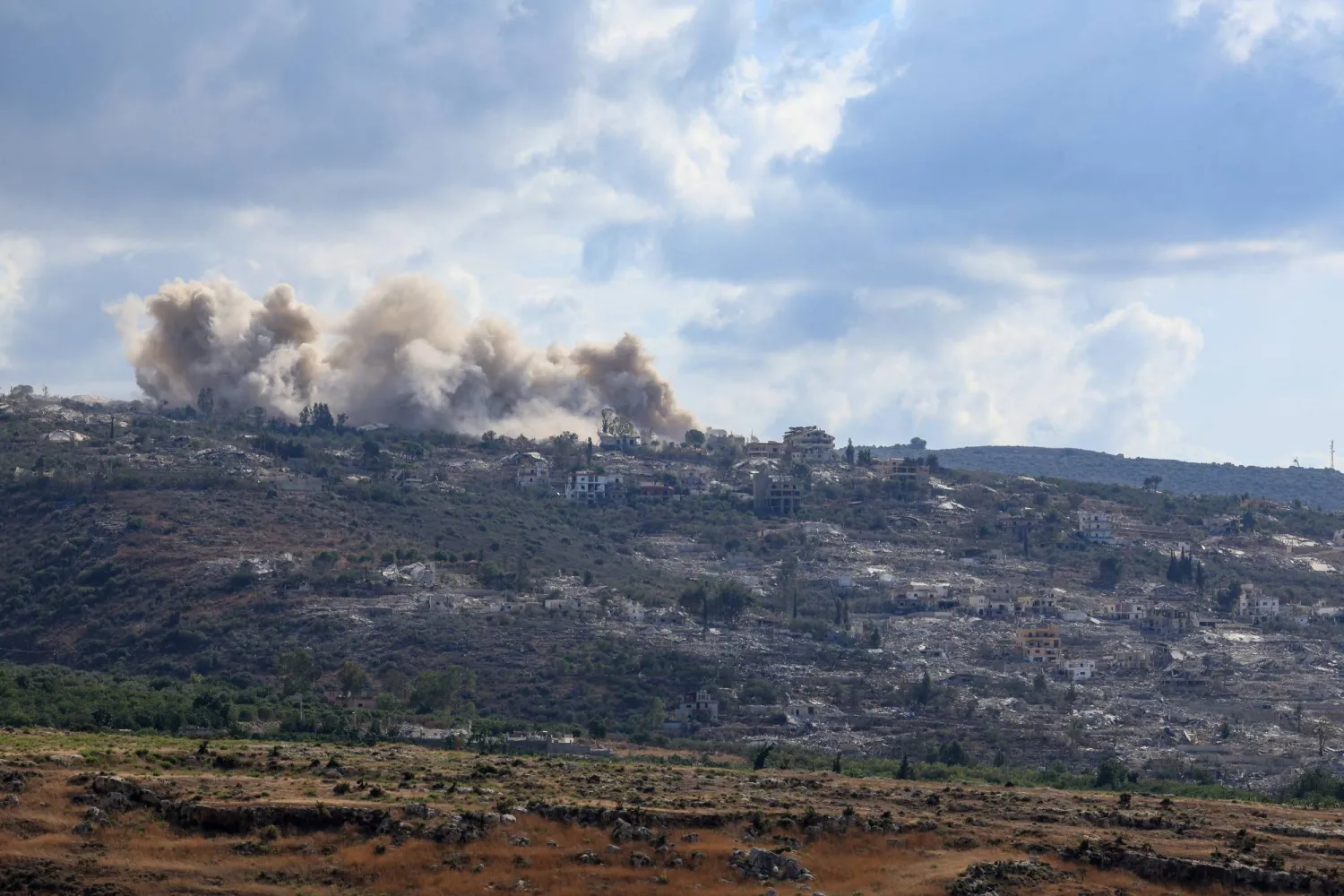
Explosions were reported in Ain al-Samahiyah and near Zawtar ash-Sharqiyah as military activity expanded across the region. These incidents occurred alongside a series of airstrikes targeting locations in Kfar Tebnit and Haddatha.
Israeli forces also initiated a shelling campaign directed at Habbariyeh, a village situated north of the Shebaa Farms. Ground operations in the vicinity of the Shebaa Farms remain active following the breakdown of diplomatic negotiations. The intensity of these strikes across Southern Lebanon and Eastern Lebanon follows reports from earlier military deployments in the area. Official military statements have not provided a timeline for the duration of the current shelling or the aerial operations in Kfar Tebnit and Haddatha. Local residents near Zawtar ash-Sharqiyah and Ain al-Samahiyah have faced sustained combat operations as the exchange of fire persists along the border regions.
Territorial Expansion and Demolition
Demolition operations are currently underway in Kfar Tebnit as the Israeli military intensifies its presence in the region. Reports from the area indicate that these activities involve the structural destruction of buildings within the village.
Israeli tanks are simultaneously advancing into the territory surrounding Nabeh Khokh. This movement of heavy armor follows the recent surge in military operations across Southern Lebanon. Military officials have not released a full schedule regarding the duration of these demolition efforts or the specific objectives for the armored advancement near Nabeh Khokh. The progression of these ground forces occurs as combat operations persist in other parts of the region, including the ongoing shelling and aerial strikes near Zawtar ash-Sharqiyah and Ain al-Samahiyah. No further information regarding the strategic status of the terrain occupied near Nabeh Khokh has been provided by military sources at this time.
Impact on Southern Lebanon
Military operations across Southern Lebanon have resulted in significant structural damage within the region designated as the Yellow Line. Israeli forces have destroyed approximately 60 towns and villages located within this specific zone during the course of the war. These demolition activities represent a change in the physical landscape of the border area. The destruction follows a broader pattern of military engagement that has affected numerous residential locations throughout the territory. No information has been provided by military sources regarding the future status of the land where these 60 towns and villages were situated. The ongoing operations continue to alter the infrastructure of the region as combat persists near other areas including Nabeh Khokh and Kfar Tebnit. Official military statements have not offered a timeline for the conclusion of these demolition efforts within the Yellow Line. Residents remain displaced from these sites as military activity continues to intensify across the southern border.