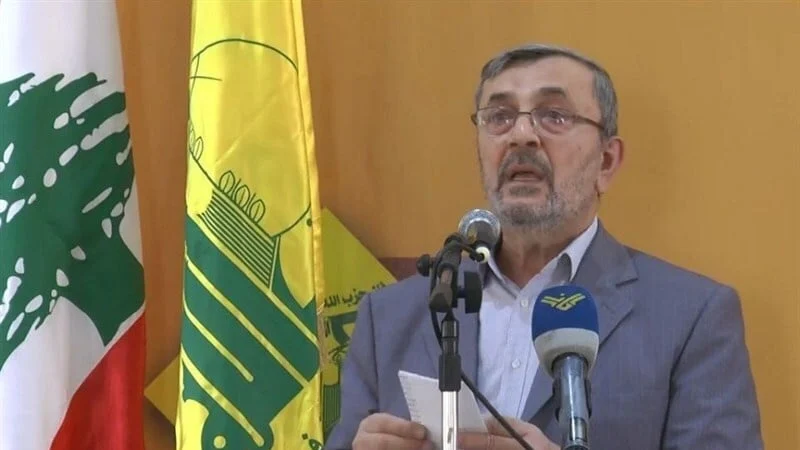
Lebanese President Joseph Aoun is reportedly recognizing a profoundly shifting regional dynamic, a new reality that he has acknowledged ahead of his first visit to the White House. This emerging landscape sees Iran’s once-expanding “Shia Crescent” of influence, which stretched across Iraq, Syria, Lebanon, and Yemen, now perceived as significantly waning. This strategic re-evaluation by President Aoun comes at a key moment, as a new American-led regional order is reportedly taking shape, prompting leaders across the Middle East to reconsider their long-standing alliances and geopolitical postures. Joseph Aoun stated, articulating the urgency and potential of the moment, "It is my duty to seize all opportunities that come to us with solutions. And today there is a golden opportunity called America that we must seize." He further emphasized the deeply personal and historical roots of his commitment to peace and stability, declaring, "I am a son of the South and I have known the suffering since 1969. The people of the South have the right to [live in peace]." Addressing the complex and sensitive issue of disarmament within Lebanon, he noted the inherent difficulties, saying, "Disarming is a difficult process, especially since [Hezbollah’s weapons] are not present in specific barracks, but hidden everywhere," and firmly affirmed Lebanon’s sovereignty by stating, "no one negotiates on our behalf."
Shifting Regional Tides
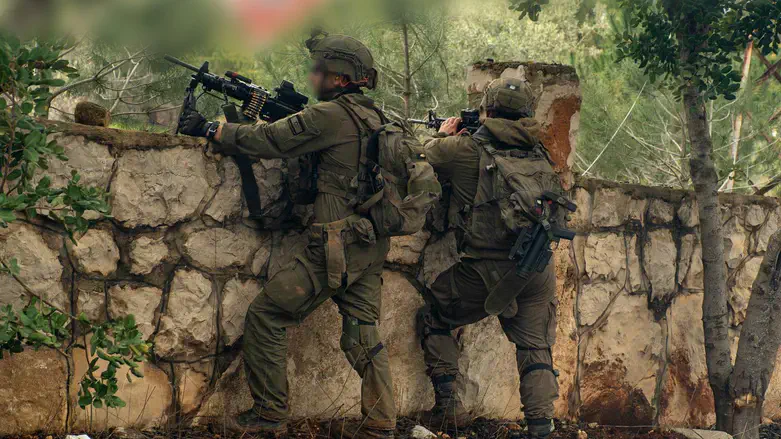
The regional landscape has been dramatically reshaped by recent events, which have fundamentally altered the balance of power. Hamas’s October 7, 2023, attack triggered a powerful Israeli response that has significantly shattered Iran’s regional proxy network, diminishing its operational capacity and influence. This period has also seen the collapse of the Assad regime in Syria, a monumental development largely attributed to sustained Israeli military pressure. These profound changes mark a notable and undeniable shift in the regional power dynamics, particularly concerning the influence of non-state actors previously supported and armed by Iran. These events are prompting a full re-evaluation of strategic alliances and priorities across the Levant, forcing nations to adapt to a rapidly evolving geopolitical environment. The implications extend far beyond immediate borders, affecting various regional capitals as countries assess the evolving security landscape and its potential for long-term stability or further upheaval. The culmination of these events has created a new and challenging environment for leaders like Joseph Aoun to consider in their foreign policy approaches, necessitating a pragmatic and forward-looking strategy.
Economic Imperatives Drive Policy
Lebanon, under President Joseph Aoun, is reportedly placing economic interests squarely at the center of its foreign policy, a strategic shift that reflects both domestic needs and regional opportunities. This strategic reorientation coincides with significant regional developments, including a landmark agreement signed in Washington on July 17 by Iraq and Syria. This agreement aims to revive and expand the defunct Kirkuk-Baniyas oil pipeline, a project with substantial economic implications for the region. The renewed pipeline is designed to allow Baghdad to export a significant volume of oil, up to two million barrels per day, providing a key alternative route that bypasses the strategically sensitive and often volatile Strait of Hormuz. This development shows a broader regional trend towards securing economic pathways independent of traditional chokepoints.
President Aoun connects the enduring issue of militia arms in Lebanon to historical events, specifically tracing its origins back to 1969 and the Cairo Agreement, noting the deep-seated nature of this domestic challenge. Despite these internal complexities and the broader regional shifts, Lebanon has maintained some diplomatic engagement with various regional actors. For instance, Lebanese Defense Minister Michel Menassa attended the funeral of Iranian Supreme Leader Ali Khamenei, indicating a continued, albeit nuanced, level of interaction even amidst evolving geopolitical realities. This balancing act reflects Lebanon’s intricate position within the Middle East, navigating complex relationships while striving to prioritize its national interests.
Strategic Alignment and Future Outlook
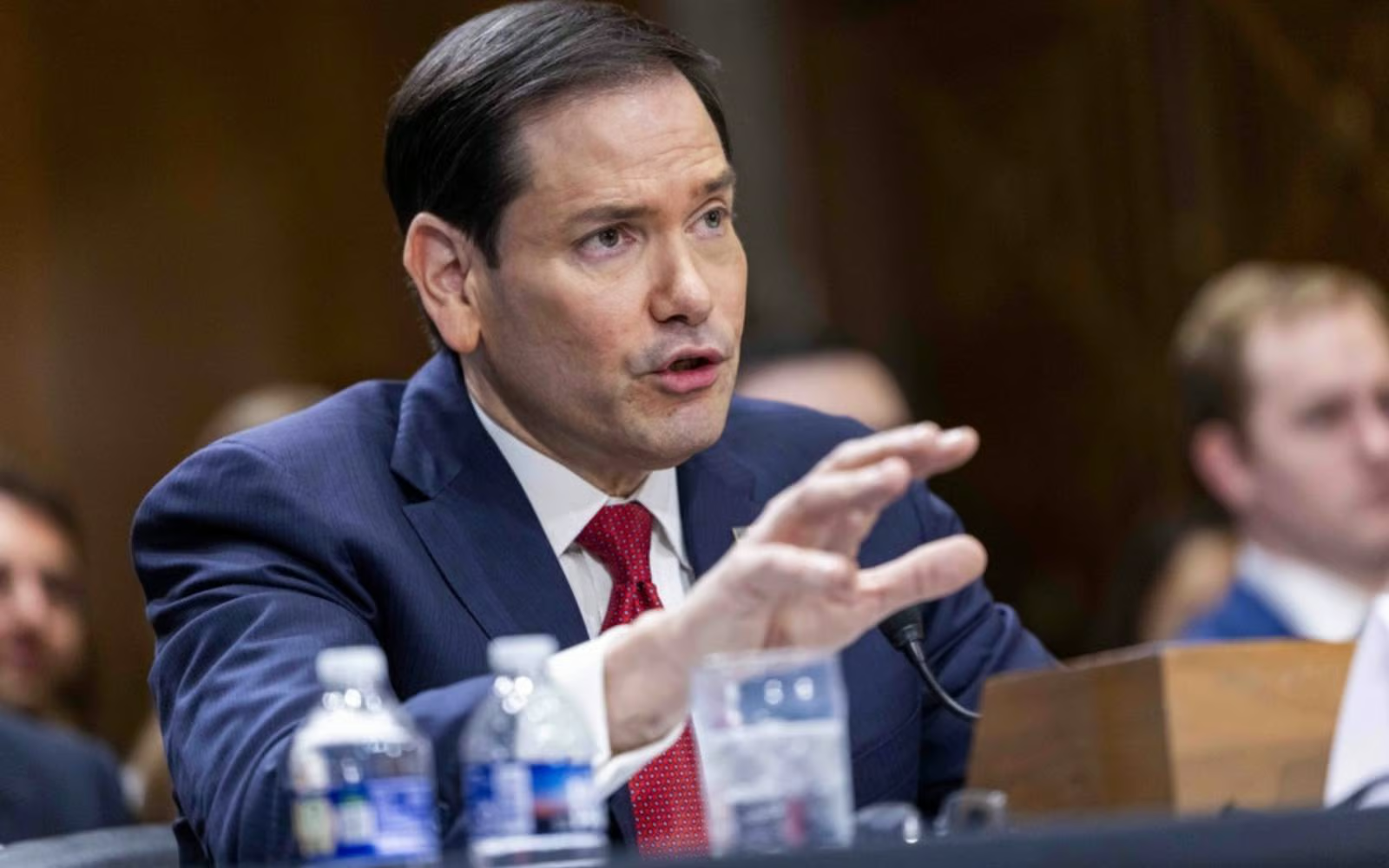
An emerging American-led regional order is reportedly taking shape, a reality that Lebanese President Joseph Aoun has recognized and is actively engaging with. His scheduled meeting with U.S. President Donald Trump indicates a high-level diplomatic engagement aimed at solidifying Lebanon’s role within this evolving structure. President Aoun has already attributed a notable improvement in Lebanon’s economic indicators to the June 26 Trilateral Framework involving Israel and the U.S. This framework appears to be a significant factor in Lebanon's strategic reorientation amid the profound regional shifts, offering a pathway towards economic stabilization and growth. The upcoming meeting between Aoun and Trump is expected to solidify discussions on Lebanon's integration into this evolving regional structure, particularly concerning its critical economic revival efforts. The Trilateral Framework's direct impact on economic indicators suggests a tangible and immediate link between diplomatic initiatives and Lebanon's financial stability, providing a compelling incentive for continued engagement with the new American-led order. This strategic alignment shows a pragmatic approach by Lebanon to leverage new regional dynamics for its own national benefit.