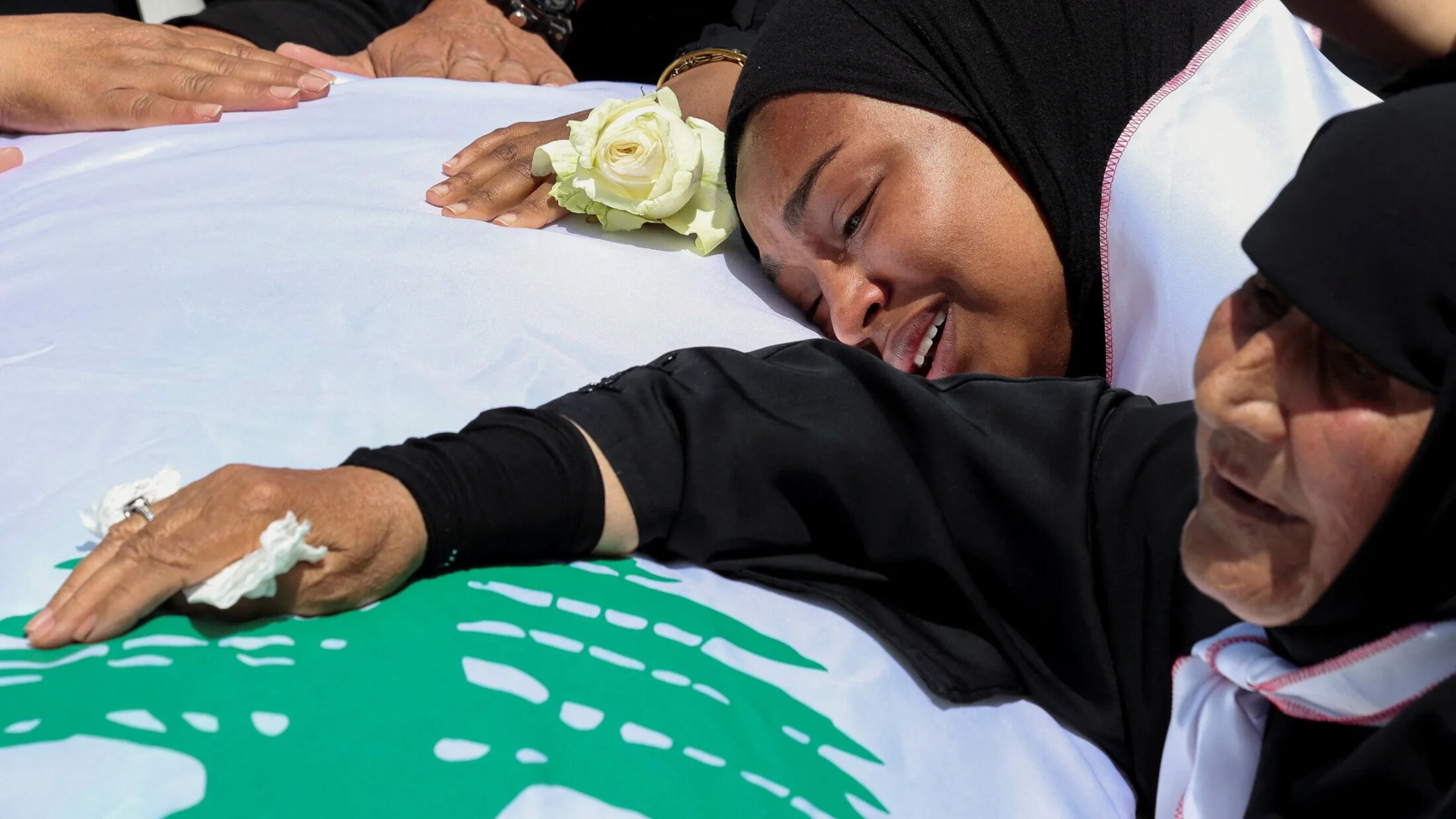
Israel's ongoing conflict with Lebanon has displaced over one million people since March 2, contributing to a severe and escalating humanitarian crisis in the country. The sheer scale of this displacement, affecting more than a million individuals, paints a stark picture of the human cost of the hostilities. The current situation draws undeniable parallels to historical periods of conflict that have long shaped the region, most notably the 1982 Israeli invasion of Lebanon. These displacement figures show the severe and broad impact of the conflict on civilian populations across Lebanon, particularly in its southern regions, where communities have faced repeated cycles of violence and upheaval. The humanitarian challenges are immense, encompassing not only the immediate needs of those forced from their homes but also the long-term implications for recovery and stability.
Echoes of Past Liberation
The memory of past struggles and triumphs remains vivid for many Lebanese citizens. Abeer was 19 years old when southern Lebanon was liberated on May 25, 2000, after 18 years of Israeli occupation. This key moment in the nation's history brought an end to a prolonged foreign military presence. She described the profound feeling at the time, stating with clear recollection, "It was a joy like I had never experienced before." This sentiment of collective relief and celebration resonated deeply across the country, marking a significant milestone in Lebanon's sovereignty.
Israel's military presence in Lebanon extended over several decades, with its roots tracing back to earlier interventions. The initial entry of Israeli forces into Lebanon occurred in 1978 under Operation Litani. This operation marked a significant escalation in regional tensions and set a precedent for future military engagements. Later, in 1982, the Israeli army again invaded southern Lebanon, with the explicitly stated aim of dismantling the Palestinian Liberation Organisation. This offensive, a major military undertaking, became widely known as Operation Peace for Galilee. The decision to launch Operation Peace for Galilee was not taken lightly, as it received formal approval from the Israeli parliament, noting the strategic importance attributed to the mission by the Israeli government.
Following the initial advance, Israeli forces reached the Lebanese capital, Beirut, a major strategic objective. They remained stationed there for three years, a period that profoundly impacted the city and its inhabitants. After this extended presence in Beirut, Israeli forces eventually withdrew to southern Lebanon. However, their withdrawal from the capital did not signify a complete departure from Lebanese territory. Instead, they maintained a significant presence in southern Lebanon for an additional 15 years, continuing to exert control and influence over the border region until the momentous liberation in 2000. This prolonged occupation left indelible marks on the social, economic, and political fabric of southern Lebanon.
The historical context of territorial disputes further complicates the narrative of occupation and liberation. The Chebaa Farms, a contested area, were also previously occupied by Israel during the 1967 Six Day War. This earlier occupation adds another layer to the complex history of the region and contributes to ongoing disputes over sovereignty. Reflecting on these past events and drawing poignant comparisons to the current situation, Abeer emphasized the enduring importance of remembering the liberation. "We need to remember this day because we were victorious and hopefully we will be again," she asserted, articulating a deep-seated hope for a future free from conflict. Abeer further noted the devastating impact of recent hostilities on her ancestral village, noting that Kfar Kila has been significantly impacted. "They have turned Kfar Kila into a football field," she lamented, vividly describing the extent of the destruction. She expressed a profound personal longing for her ancestral home and the graves of her family, noting, "Our grandparents, my mother and father are buried in Kfar Kila. I pray we can return to them, to our homes and to our work." This heartfelt plea shows the deep connection between identity, land, and memory for those affected by displacement. An image caption within the article makes a forward-looking reference to May 13, 2026, suggesting an enduring perspective on the timeline of potential return or resolution.
The Scars of Today's War
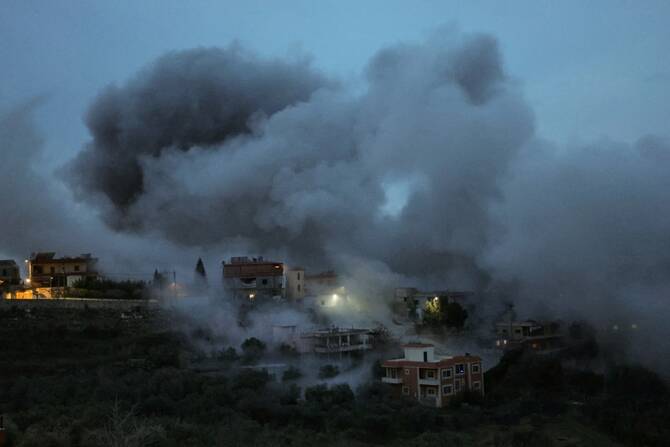
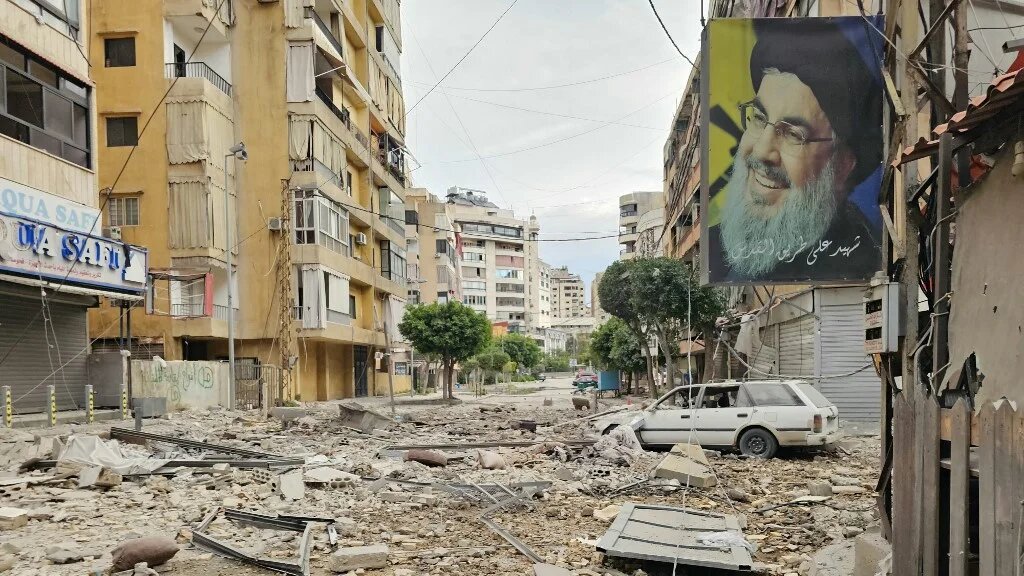
The ongoing conflict has left significant and visible damage across Lebanon, particularly concentrating its destructive force in the southern regions. The human toll has been tragically high. According to full data provided by Lebanon’s health ministry, Israeli strikes in Lebanon have resulted in the deaths of 3,151 people and have wounded a further 9,571 individuals since the start of the current war. These figures represent a staggering loss of life and a widespread impact on civilian health and well-being. Beyond the immediate casualties, these strikes have also led to widespread structural damage, profoundly altering the landscape of communities. A significant indicator of this destruction is that 45 percent of towns in southern Lebanon have reported either damage or outright destruction, illustrating the widespread devastation inflicted upon residential areas, infrastructure, and local economies.
The displacement of people, a direct consequence of the escalating conflict, began in earnest on March 2. Since that date, Israel’s war on Lebanon has displaced more than a million people, creating an urgent and multifaceted humanitarian crisis. This mass movement of populations has placed immense strain on resources, host communities, and aid organizations, exacerbating existing vulnerabilities. In a brief moment of respite, a temporary ceasefire was reached on April 16, offering a short-lived pause from the relentless hostilities. While providing some immediate relief, such temporary measures often fail to address the underlying causes of conflict or the long-term recovery needs of affected populations.
Consequently, the long-term implications of the conflict continue to affect daily life and critical infrastructure across the country. The repeated cycles of conflict and displacement show the inherent fragility of peace in the region. Each new wave of violence erodes trust, impedes development, and deepens the scars left by previous conflicts. The article also references the year 2026 within an image caption, suggesting a forward-looking perspective on the ongoing situation, perhaps hinting at recovery efforts, political developments, or the enduring hope for a more stable future.
Voices of Resilience and Memory
Lebanon commemorates Liberation Day annually on May 25, a date etched into the national consciousness, marking the withdrawal of Israeli forces from southern Lebanon. This historic event was not a sudden occurrence but rather the culmination of a sustained guerrilla campaign mounted by Hezbollah throughout the 1990s, which ultimately succeeded in forcing Israeli troops to leave the area. The strategic and persistent actions of Hezbollah played a decisive role in achieving this liberation, a fact that remains central to the narrative of resistance in Lebanon. The conflict, however, had roots stretching back decades, embodying a complex tapestry of historical grievances and territorial disputes. Among these, the 1967 Six Day War stands out, during which Israel occupied the Chebaa Farms, an area that remains a significant point of contention and dispute to this day. The continued occupation of the Chebaa Farms serves as a constant reminder of unresolved territorial issues, perpetuating a sense of unfinished business for many Lebanese.
Hope for Future Return
Lebanon commemorates May 25, 2000, as the definitive date of liberation, a day when Israeli forces withdrew from southern Lebanon, ending a long chapter of occupation. Throughout the period of Israeli presence, Hezbollah has consistently maintained attacks on Israeli occupation troops, viewing these actions as legitimate resistance against foreign military control. This ongoing resistance has been a defining feature of the conflict landscape in southern Lebanon. The year 2006 marked another significant and devastating chapter in Lebanon's recent history with the July War, a large-scale conflict that further showed the precarious security situation in the region and led to extensive damage and displacement. These profound events, from the 2000 liberation to the 2006 war and the current hostilities, continue to shape the aspirations for future returns for those displaced by ongoing conflicts. The hope for returning to homes, rebuilding lives, and achieving lasting peace remains a powerful driving force for countless individuals affected by the persistent cycles of violence in Lebanon. The article's mention of the date 13 May 2026 in an image caption, along with the general reference to 2026, reinforces the idea that the future, while uncertain, is continuously contemplated in the context of these historical and ongoing struggles for sovereignty and stability.