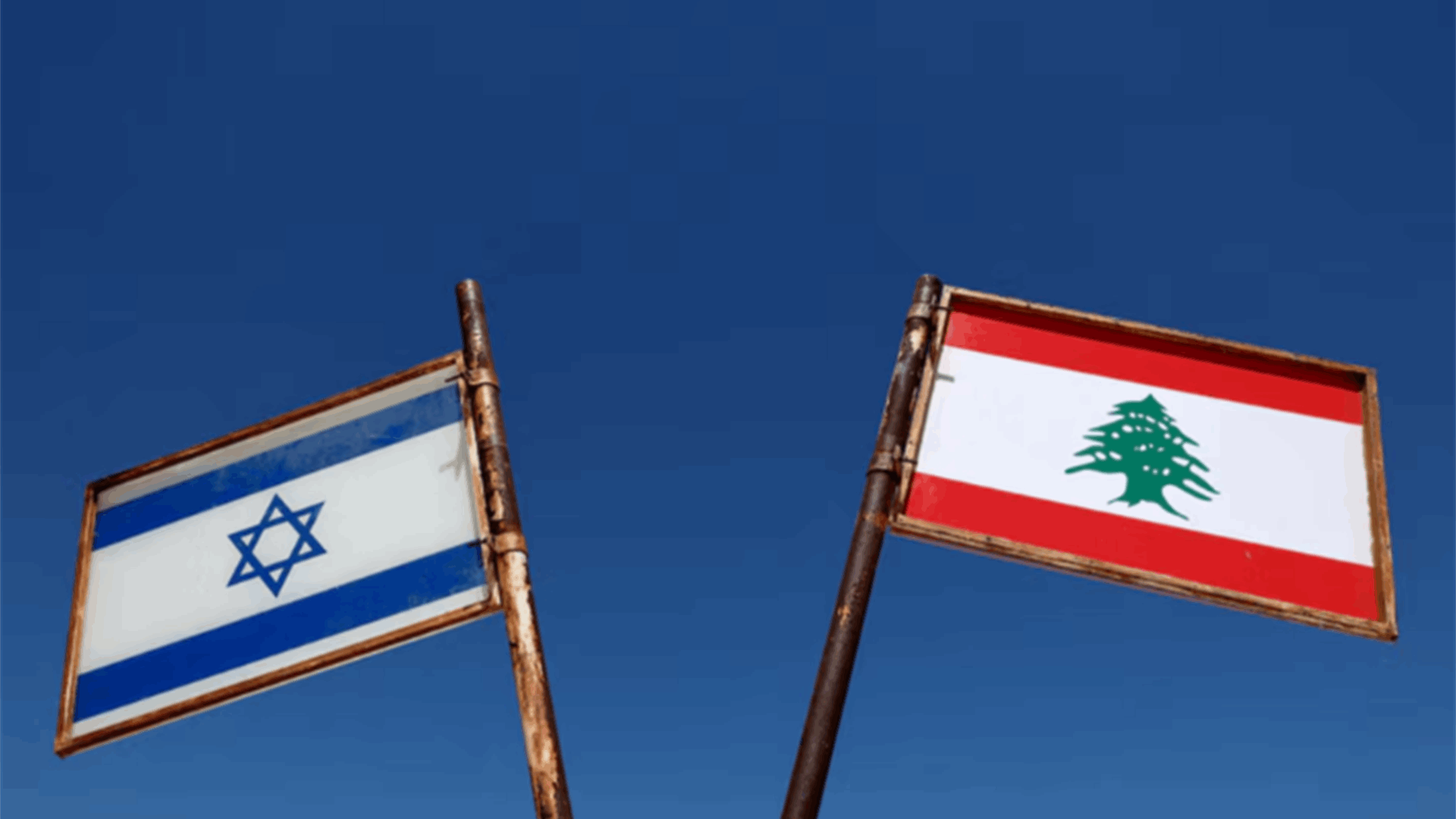
Israel and Lebanon signed a framework agreement in Washington on June 26, 2026, bringing an end to hostilities between Israel and Hezbollah. This significant diplomatic achievement aimed to de-escalate a protracted period of conflict that had severely impacted the border region. Lebanese authorities estimate that approximately 1.2 million people were displaced during the conflict, a staggering number that shows the humanitarian crisis it engendered. The framework agreement brought hostilities between Israel and Hezbollah to a halt, offering a glimmer of hope for stability. Following the framework agreement, around 400,000 displaced people returned to southern Lebanon within 24 hours, according to Lebanese authorities, marking a swift initial response to the cessation of fighting.
A Lebanese official stated that the agreement "enabled 400,000 displaced people to return to their homes in southern Lebanon, and that alone is significant." This rapid return of hundreds of thousands of individuals to their homes shows the immediate impact of the ceasefire and the strong desire of the population to resume their lives. This significant movement followed the cessation of conflict facilitated by the Washington agreement, which was intended to provide a pathway for peace and the safe return of civilians. The initial wave of returns noted the urgent need for full support and reconstruction efforts in the affected areas.
Obstacles to Return
The return of displaced civilians does not extend to villages located within the “Yellow Line” security zone established by Israel. This designated zone presents a formidable barrier to full repatriation for many. According to Lebanese figures, the “Yellow Line” security zone encompasses 64 towns and villages that remain under Israeli control, effectively cutting off a substantial portion of the border region from its inhabitants. Despite this, people are returning to their homes in Shaqra, a village situated on the edge of the Yellow Line, demonstrating their resilience and determination to reclaim their lives. However, those who have returned still lack basic services such as water and electricity, noting the severe infrastructural challenges that persist even outside the most restricted areas. The absence of these fundamental utilities makes daily life incredibly difficult and impedes any meaningful recovery.
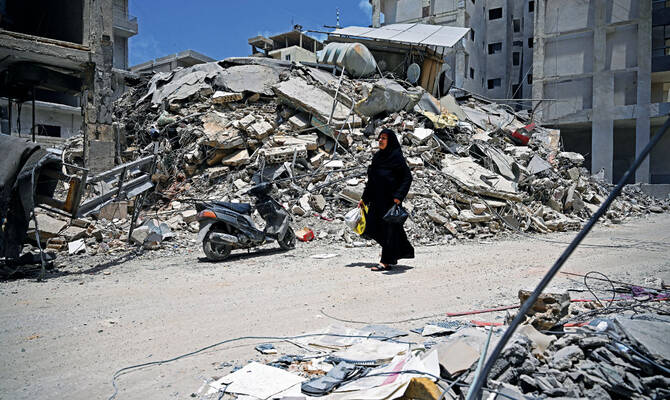
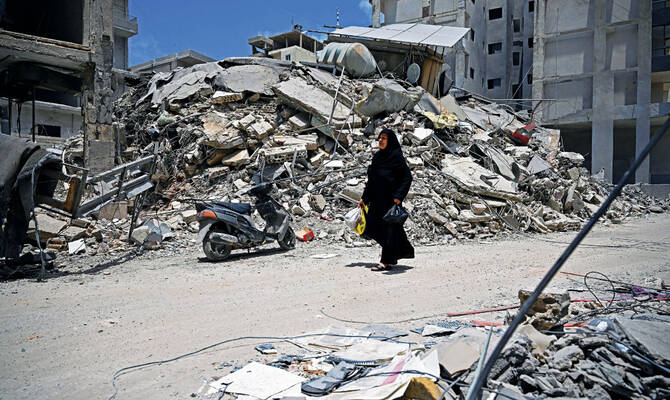
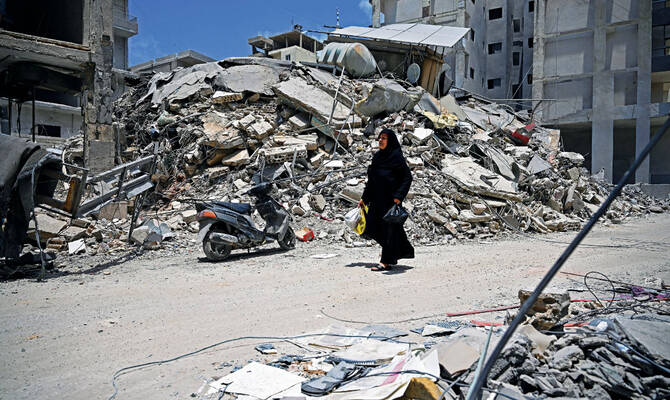
Israeli airstrikes caused extensive damage to villages, impacting the ability of residents to rebuild and creating a landscape of devastation. Ali Al-Amine, editor-in-chief of the independent Lebanese news website Janoubia, stated, "Israeli airstrikes caused extensive damage to villages, and many homeowners and shop owners are reluctant to begin repairs or even replace shattered windows. Some simply cannot afford it, while others are waiting for lasting stability before trying to rebuild." This reluctance stems from a deep-seated fear of renewed conflict and the financial burden of reconstruction without guaranteed security. Civilians who have returned to find their homes destroyed have taken refuge in school buildings, which have turned into collective shelters, providing temporary respite but not long-term solutions. These makeshift accommodations often lack adequate facilities and privacy, adding to the hardship faced by displaced families. The psychological toll of living in such conditions, coupled with the uncertainty of their future, remains a significant concern.
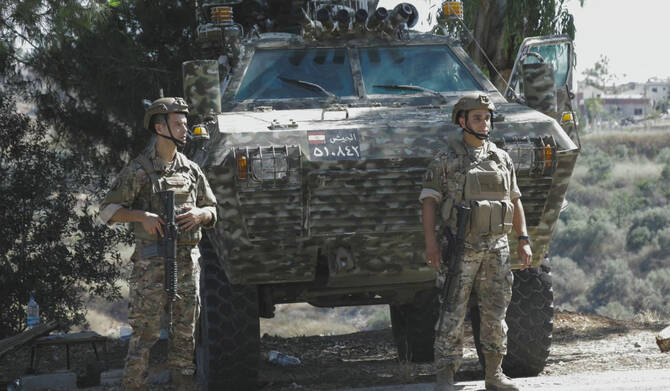
No Israeli withdrawal has yet taken place from any of the pilot zones amid continuing disagreements over their designation. This lack of progress on withdrawal further complicates the return process and fuels distrust. The Israeli military wants the Lebanese army to deploy in areas that are not occupied and refuses to withdraw from any of the areas it occupies, creating a stalemate that directly affects civilian populations. Israel was preventing displaced civilians from returning to villages south of the Yellow Line, reinforcing its control over these territories. Israeli forces have been calling drivers who crossed the Yellow Line on their mobile phones, warning them to turn back immediately or risk being targeted, a tactic that instills fear and restricts movement. This direct intervention by Israeli forces shows the ongoing security risks and the volatile nature of the border region, even after the framework agreement.
Hostilities have continued through Israeli shelling, drone strikes, house demolitions, and military operations, demonstrating that the cessation of major conflict has not led to complete peace. The Norwegian Refugee Council (NRC) reported that "Israeli strikes continue to kill civilians in Lebanon," indicating a persistent threat to life and safety. Israeli-declared military zones inside Lebanon, along with unexploded ordnance and access restrictions, were keeping many families from returning home safely. These zones, often unmarked or poorly communicated, pose a severe danger to anyone attempting to traverse them. Unexploded ordnance, a deadly legacy of the conflict, contaminates vast areas, turning agricultural land and residential spaces into hazardous zones. Access restrictions, including checkpoints and patrols, further impede the free movement of people and goods, strangling local economies and preventing essential services from reaching affected communities. The combination of these factors creates a complex and dangerous environment that discourages return and prolongs displacement.
Infrastructure and Economic Devastation
Assessments by Lebanon’s National Council for Scientific Research and the UN Development Programme estimate direct damage to buildings south of the Litani River alone at $1.38 billion as of April 29. This figure represents only a fraction of the total devastation. The World Bank’s Rapid Damage and Needs Assessment for Lebanon reported that the 2024 war caused an estimated $6.8 billion in physical damage, noting the immense scale of destruction across various sectors. Reconstruction and recovery needs are estimated at approximately $11 billion, a colossal sum for a country already facing severe economic challenges. The sheer amount of debris is staggering, with around 8.5 million cubic meters of rubble reported, alongside the near-total collapse of water, electricity, and road networks. This widespread infrastructural damage means that even if homes were intact, the basic services required for a functional community are largely absent. The destruction of essential infrastructure compounds the humanitarian crisis, making it incredibly difficult for returnees to rebuild their lives and for communities to recover.
Twenty-one towns in the border region have been completely destroyed, with dozens of villages sustaining damage. This level of destruction means that for many, there is simply no home to return to, forcing them to seek permanent relocation or remain displaced indefinitely. Despite these challenges, the International Organization for Migration reported that 646,107 displaced individuals had returned, according to its latest assessment, indicating a continued, albeit difficult, movement back to affected areas. Concurrently, tents that once lined Beirut’s sidewalks, public squares, and parks have disappeared. Local authorities have dismantled “unauthorized” encampments across the city, often without providing adequate alternatives for the displaced. Official shelters have also gradually emptied as people seek alternative arrangements, whether with relatives, in rented accommodations, or in partially damaged homes. Before this emptying, more than 137,000 displaced people had been sheltering in approximately 700 centers across Beirut and other parts of Lebanon, noting the immense pressure on urban infrastructure and social services during the peak of displacement. The closure of these shelters, while a sign of some returns, also raises concerns about the vulnerability of those who may not have found stable housing.
Hezbollah's Stance and Security Concerns
Around half a million people remain displaced in Lebanon, even as a framework agreement between Israel and Lebanon sought to end hostilities. This persistent displacement shows the limitations of the agreement and the deep-seated security concerns that continue to plague the region. Hezbollah did not commit to the ceasefire until the Lebanese-Israeli framework agreement was announced, indicating its independent operational considerations. Despite this, Hezbollah dismissed the framework agreement as “null and entirely in Israel’s interest,” signaling its continued opposition and potential for future actions.
Further complicating the security situation, Hezbollah launched rockets into Israel on March 2. This action was described as retaliation for the US-Israeli attack on Iran and it violated the ceasefire agreement that had been reached between Israel and Hezbollah in November 2024. These actions show persistent security concerns in the region and demonstrate the fragility of any peace initiatives. The continued presence of these zones and potential hazards contribute to the ongoing displacement. The framework agreement, while intended to facilitate returns, has not yet resolved all obstacles for those seeking to go back to their homes. The presence of unexploded ordnance poses a direct threat to civilians, while military zones and access restrictions physically prevent movement, creating a constant state of uncertainty and danger. These factors combine to create a challenging environment for the displaced population, making long-term planning and recovery exceedingly difficult. The underlying tensions and the capacity for renewed conflict continue to cast a long shadow over the prospects for lasting peace and the full return of displaced communities.
Humanitarian and Financial Needs
The 2026 Lebanon Flash Appeal seeks to raise $639.9 million to address the country's humanitarian challenges, but only 37.1 percent of this amount has been secured to date. This significant funding gap severely limits the ability of humanitarian organizations to provide essential aid and support to those most in need. The lack of sufficient funding jeopardizes critical programs, including food assistance, healthcare, shelter, and education for displaced populations and host communities. In an effort to support those affected, the Lebanese ministry is set to initiate cash assistance to 130,000 displaced families, a key intervention designed to provide immediate relief and allow families to prioritize their most pressing needs. This direct financial aid can be a lifeline for many struggling to cope with the economic fallout of the conflict. Concurrently, Yassine Jaber, the Lebanese minister of finance, has estimated the overall damage from the recent conflict at $20 billion, noting the extensive financial burden facing the nation. This astronomical figure encompasses not only physical destruction but also economic disruption, loss of livelihoods, and the long-term costs of recovery and reconstruction. The scale of this financial challenge shows the need for strong international support and sustained investment to help Lebanon rebuild and recover from the devastating impact of the conflict. Without full and coordinated efforts, the path to recovery for Lebanon's displaced population and its economy remains fraught with immense difficulties.