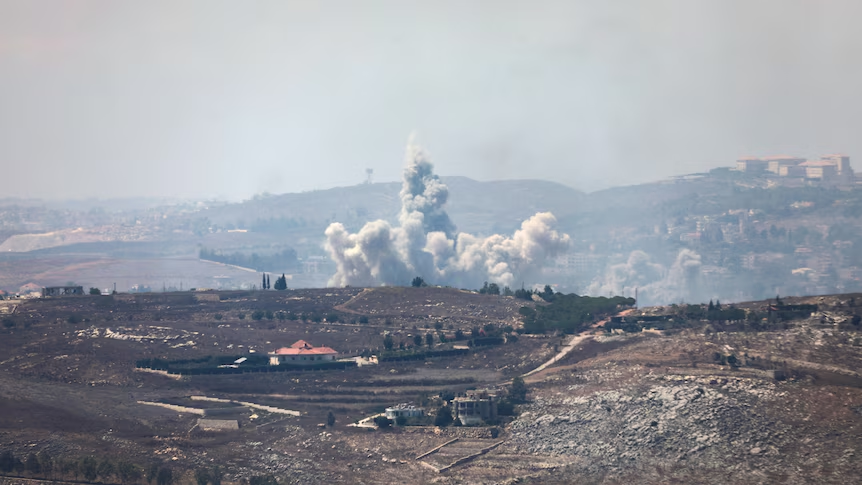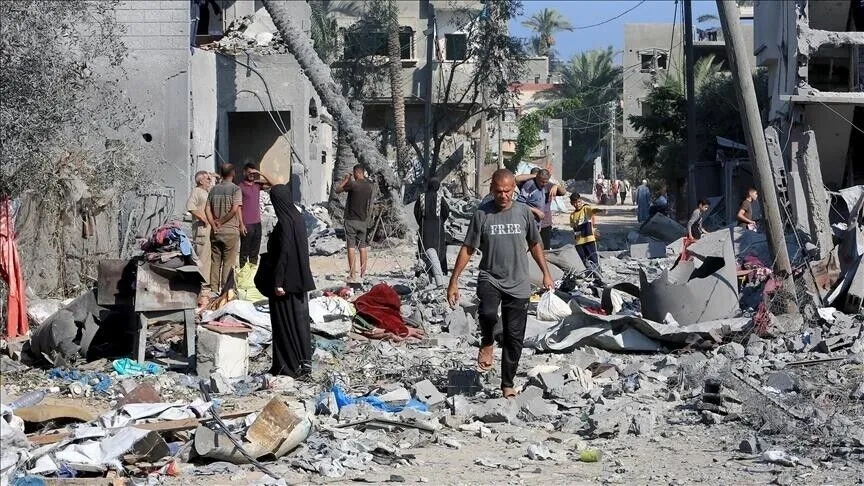
Nearly 800 children have been killed and approximately 360,000 displaced in Lebanon during nearly three years of Israeli attacks. The ongoing conflict has also resulted in significant injuries among the young population, noting the severe humanitarian crisis unfolding in the country. The cumulative impact of these prolonged hostilities has placed an immense burden on Lebanon's youngest residents, with their lives and futures profoundly affected by the violence.
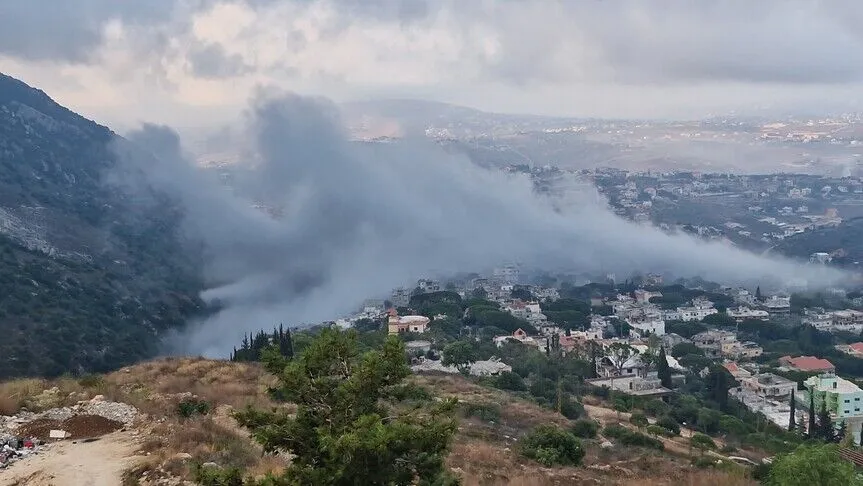
Recent Israeli strikes targeting the town of Arabsalim and the city of Nabatieh injured three children. These incidents show the widespread threat that children face in areas affected by the conflict. Across the same period, 1,050 children were among the 12,378 people who sustained injuries, a stark reminder of the broad civilian toll. The nature of these injuries often includes physical trauma, but also encompasses the long-term psychological scars inflicted by constant exposure to violence and instability.
Escalating Violence and Casualties
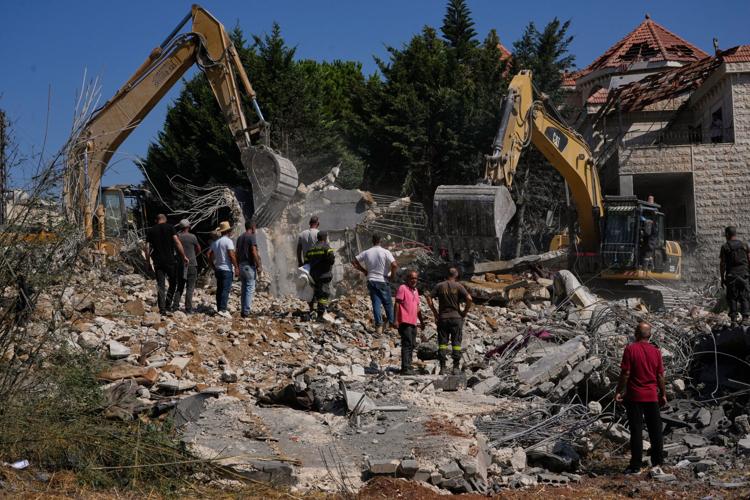
The past 24 hours have witnessed further tragic events, with two children killed and four others injured in an airstrike on a house in the town of Kfar Rumman in the southern Nabatieh district. This incident adds to a grim tally of child casualties. The Lebanese Health Ministry reported that 259 children were among the 4,362 people killed in Israeli attacks since March 2, indicating a continuous pattern of violence impacting the civilian population. During the current offensive, Israeli forces have advanced more than 10 kilometers (6.2 miles) into Lebanese territory, further exacerbating the security situation and increasing the risk to communities. These incursions have led to widespread displacement and destruction, disrupting daily life and essential services for countless families.
The scale of the human cost since the beginning of March is significant, with Lebanese authorities reporting that Israeli attacks have resulted in the deaths of 4,362 people and injuries to 12,378 others. This period of intense conflict has also forced more than 1 million individuals from their homes, creating a massive internal displacement crisis within Lebanon. The displacement affects all demographics, but children are particularly vulnerable to the disruption of their education, health, and overall well-being.
The Devastating Impact on Children
The long-term consequences of these conflicts are particularly severe for children. Nearly 800 children were killed during the two Israeli wars in 2024 and 2026, according to reports, demonstrating a recurring pattern of devastating loss of young lives. The conflicts also led to the displacement of a significant portion of Lebanon's youth population. Approximately 360,000 children were forced from their homes during these Israeli wars, contributing to the total of around 1.2 million people displaced. This mass displacement not only severs children from their homes and communities but also disrupts their access to education, healthcare, and protective environments, leaving them exposed to heightened risks.
The ongoing situation is further complicated by Israel's continued occupation of areas in southern Lebanon. Some of these territories have been under Israeli control for decades, a legacy of previous conflicts and territorial disputes. Other areas were seized more recently during the 2023–2024 war, adding to the complexity of the geopolitical landscape and the challenges faced by Lebanese authorities in securing their borders and protecting their citizens. This persistent occupation contributes to a climate of insecurity and instability, making it difficult for displaced populations to return and for reconstruction efforts to proceed effectively.
Calls for Support and Peace
The international community and humanitarian organizations have expressed grave concerns about the welfare of children in Lebanon. A framework agreement, signed on June 26 under US sponsorship, outlines a phased Israeli withdrawal from Lebanese territory in exchange for the deployment of the Lebanese army. This agreement represents a potential pathway toward de-escalation and the establishment of more stable conditions in the region. However, despite a ceasefire announced on April 17, UNICEF stated in May that "children in Lebanon continue to pay 'the highest price' as a result of persistent violence, displacement, and psychological trauma." This assessment shows that even with formal agreements or ceasefires, the lingering effects of conflict continue to severely impact the youngest members of society.
UNICEF has repeatedly warned about the profound and long-lasting impact of these Israeli attacks on Lebanese children. The organization has consistently called for an immediate end to the violence to protect the country's youth, emphasizing the urgent need for sustained peace and humanitarian access. The physical and psychological toll on children includes not only direct injuries and deaths but also the disruption of their education, the loss of family members, and the trauma associated with living in a conflict zone. These factors collectively create a generation at risk, noting the critical need for extensive support and intervention from both national and international bodies to mitigate the devastating effects of the ongoing hostilities.