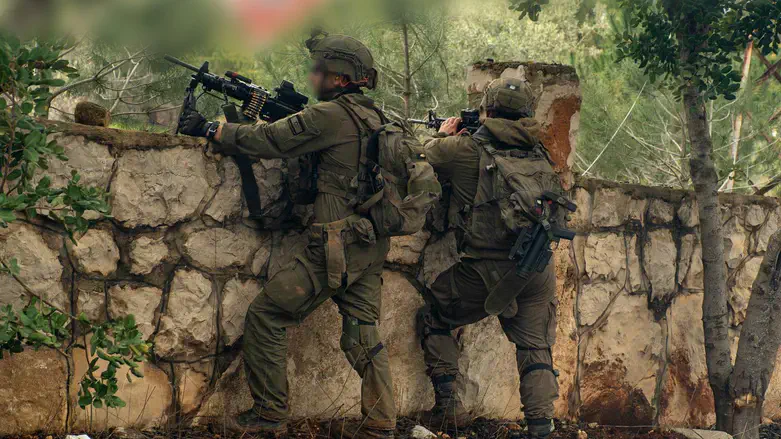
Fighting between Israel and Hezbollah reignited in the days following joint strikes on Iran by Israel and the U.S. Earlier this year. The escalation occurred amidst ongoing efforts to secure a lasting cessation of hostilities in the region. Hezbollah ultimately rejected a ceasefire agreement presented in June, contributing to continued tensions and a volatile security situation. This rejection has been a significant hurdle in de-escalation efforts, raising concerns about the potential for further conflict.
Escalating Conflict and Failed Agreements
Despite the recent flare-up, Israel and Lebanon had reached a ceasefire agreement in June. This agreement was intended to bring an end to the hostilities that have plagued the border region. However, concerns persist that fighting between Israel and Hezbollah in Lebanon will intensify again, potentially unraveling any previous diplomatic progress. The fragility of the situation is a constant worry for international observers and local populations alike. This month, the memorandum of understanding between the U.S. And Iran effectively disintegrated, further contributing to regional instability and complicating diplomatic efforts to de-escalate tensions in Lebanon. The breakdown of this agreement has added another layer of complexity to an already fraught geopolitical landscape.
The ongoing fears that fighting in Lebanon between Israel and Hezbollah will pick back up are rooted in the historical volatility of the region and the recent rejection of the ceasefire by Hezbollah. This rejection has left a vacuum in the peace process, with no immediate alternative agreement in sight. The international community continues to monitor the situation closely, urging all parties to exercise restraint and return to negotiations. The failure of past agreements shows the challenges in achieving a durable peace, particularly when key actors are not aligned on the terms of cessation.
Humanitarian Toll Mounts
The conflict in Lebanon has resulted in a significant humanitarian toll, with the UN reporting that more than 3,500 people have been killed because of the conflict. These fatalities represent a devastating loss of life and highlight the extreme dangers faced by civilians caught in the crossfire. Additionally, the violence has led to the displacement of approximately 1 million individuals within Lebanon, forcing countless families to abandon their homes and seek safety elsewhere. This mass displacement has created a severe internal refugee crisis, stretching the resources of local communities and aid organizations. Thousands more have sustained injuries due to the ongoing hostilities across the country, requiring extensive medical care and long-term support. The UN's figures show the severe impact on civilian populations and infrastructure in the region, including homes, schools, and hospitals. These casualties and displacements highlight the urgent need for a cessation of hostilities to alleviate the suffering of those affected by the prolonged conflict and to allow for critical humanitarian aid to reach those most in need. The scale of the crisis demands a strong and immediate international response to prevent further loss of life and displacement.
Diplomatic Efforts and Demands
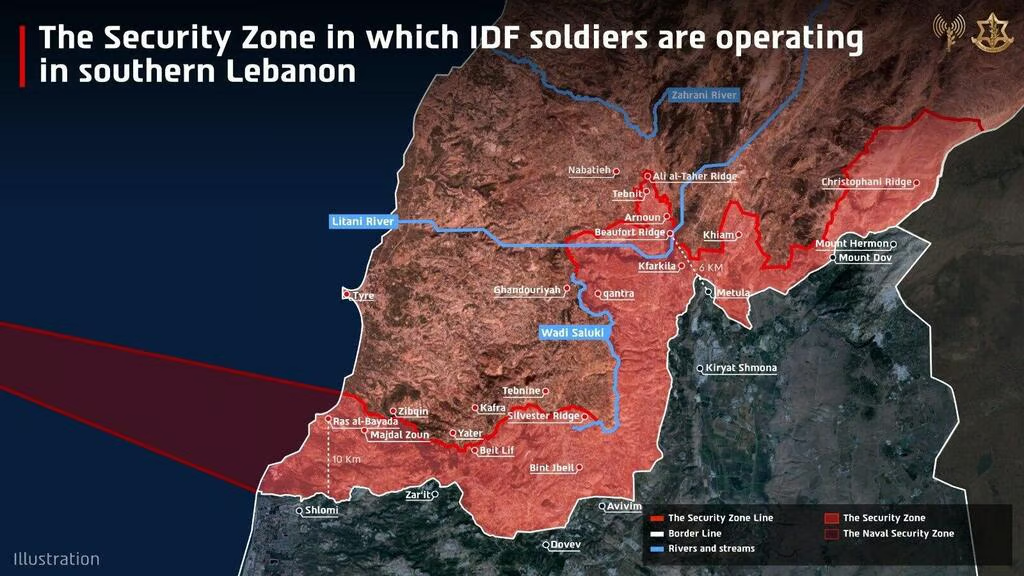
In an attempt to address the escalating crisis, the Lebanese president is scheduled to meet with Trump and other officials this week in Washington. This high-level diplomatic engagement is key for advocating on behalf of Lebanon's security and humanitarian needs. During these discussions, the Lebanese president is reportedly talking about not only a stronger ceasefire but also Israel withdrawing troops from southern Lebanon. This dual demand reflects Lebanon's desire for both an immediate cessation of hostilities and a long-term resolution to the presence of foreign forces on its territory. The president is also expected to address the demand for Israel to withdraw its troops from southern Lebanon, a long-standing point of contention and a key element for achieving lasting stability in the border region. These discussions in Washington are anticipated to be key in shaping the future trajectory of the conflict and the potential for a more stable peace.
Aid Organization's Perspective
President and CEO of Oxfam America Abby Maxman recently joined Brittany Lewis on "Forbes Newsroom" to discuss the ongoing humanitarian crisis in Lebanon. Their conversation focused on the severe impact of the conflict on civilian populations and the urgent need for international intervention to provide relief and protection. Maxman detailed the challenges faced by aid organizations operating within the country, including securing safe access to affected areas, managing logistical complexities, and ensuring the delivery of essential supplies to displaced communities. Her insights showed the critical role of humanitarian aid in mitigating the suffering caused by the conflict and the importance of sustained international support to address the vast needs of the Lebanese people. The discussion noted how the escalating violence exacerbates existing vulnerabilities and places immense strain on the capacity of aid agencies to deliver life-saving assistance effectively.