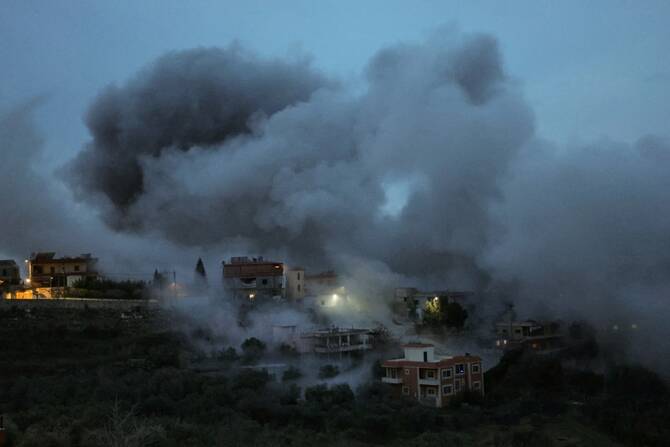
Israeli attacks have killed at least 3,185 people in Lebanon since the war on the country restarted on March 2, according to figures released by Lebanon's Ministry of Public Health. The Ministry's statement provides a grim update on the casualties amidst the renewed conflict, detailing the profound human cost of the hostilities. This official count notes the severe impact on civilians and infrastructure across Lebanon, painting a stark picture of the ongoing crisis. The updated toll reflects persistent and escalating violence that has gripped the region since early March, with Lebanese officials continuing to monitor the situation closely and provide critical updates. The figures show the urgent need for attention to the humanitarian situation.
Rising Casualty Figures
The Ministry of Public Health in Lebanon reported that 9,633 people have been wounded since the war on the country restarted on March 2. This significant figure adds to the growing count of casualties documented by Lebanese authorities, demonstrating the widespread suffering inflicted by the conflict. The Ministry's statement did not provide a detailed breakdown of the types of injuries or the demographic profile of the wounded, but it unequivocally shows the extensive human impact of the ongoing hostilities. Medical facilities across Lebanon have been under significant strain as they contend with the influx of patients requiring urgent care for injuries sustained during the conflict. The reported number of wounded individuals is in addition to the 3,185 deaths previously confirmed by the Ministry since hostilities resumed in early March, bringing the total number of affected individuals into the thousands. Lebanese officials continue to monitor the situation closely, providing updates as more information becomes available from affected areas. The consistent reporting from the Ministry of Public Health aims to document the full scope of the conflict's devastating toll on the civilian population and the country's healthcare system.
Context of Conflict
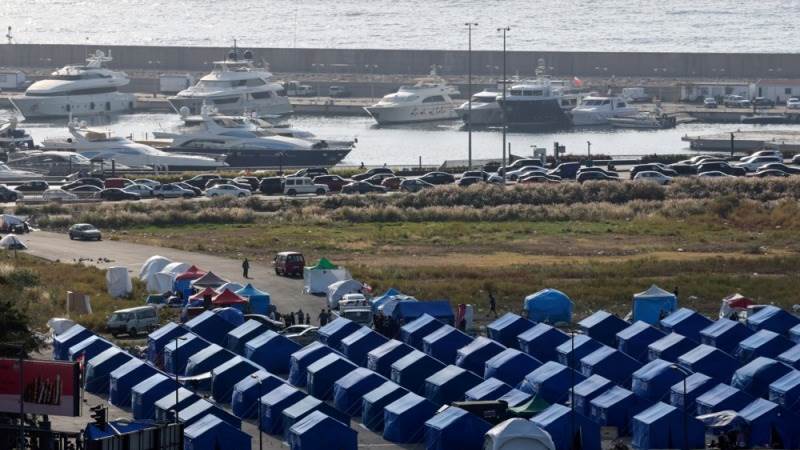
The renewed conflict in Lebanon emerged following increased hostilities along its southern border with Israel. Tensions have steadily escalated in the region since March 2, leading to the reported casualty figures from Lebanon's Ministry of Public Health. The ongoing exchanges have primarily affected southern Lebanon, prompting widespread displacement and significant damage to homes, businesses, and essential infrastructure in border communities. Independent reporting from outlets such as Middle East Eye has consistently noted the profound impact of these military actions on civilian populations, emphasizing the daily challenges faced by residents. The current situation represents a significant deterioration in regional stability, with both sides involved in ongoing military operations that continue to claim lives and cause destruction. Authorities in Lebanon continue to assess the broader implications for the country's security and humanitarian situation as the conflict persists, striving to provide aid and support to those most affected.
Ministry's Statement
Lebanon's Ministry of Public Health has been the primary source of official casualty figures since the renewed conflict with Israel began on March 2. The Ministry's statements have consistently documented the human toll, providing regular updates on both fatalities and injuries. Its reporting plays a key role in informing the public and international community about the ongoing impact of hostilities, serving as a vital record of the conflict's human cost. Officials from the Ministry have stressed the severe strain placed on medical facilities across Lebanon as they contend with a high volume of patients requiring emergency and long-term care. These statements typically present aggregated numbers without detailed breakdowns of demographics or injury types, focusing instead on the overall scale of the crisis and its immediate consequences. The Ministry of Public Health continues to monitor the situation, aiming to provide full data on the conflict's devastating effects on the civilian population and the nation's public health infrastructure.