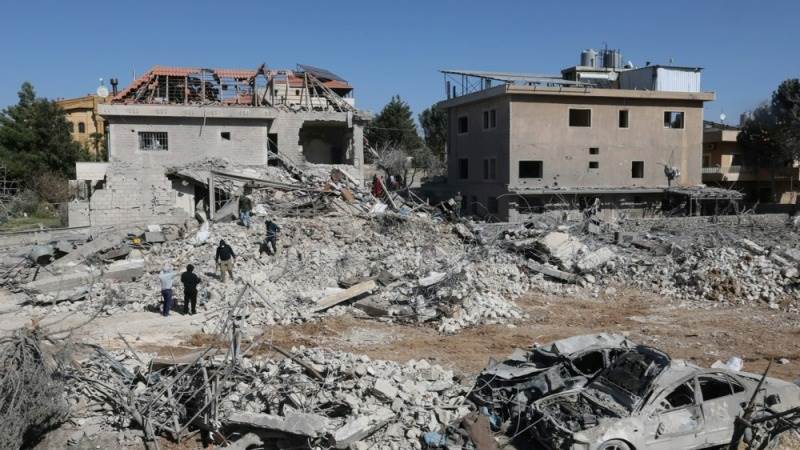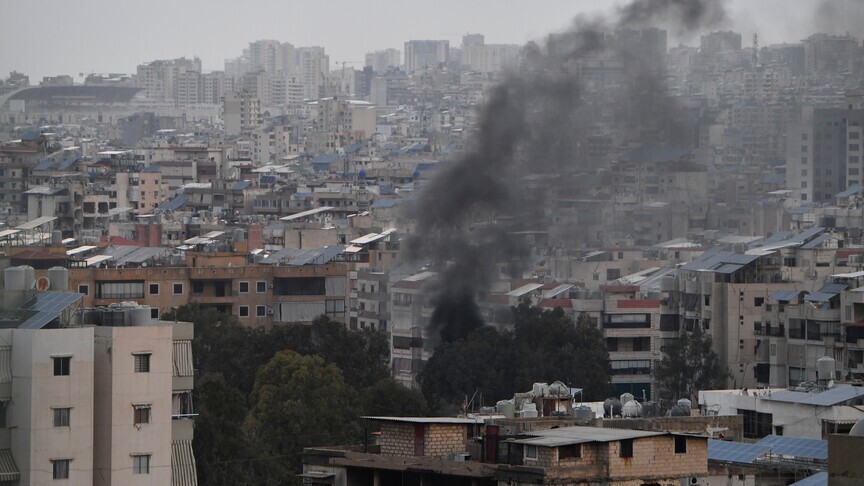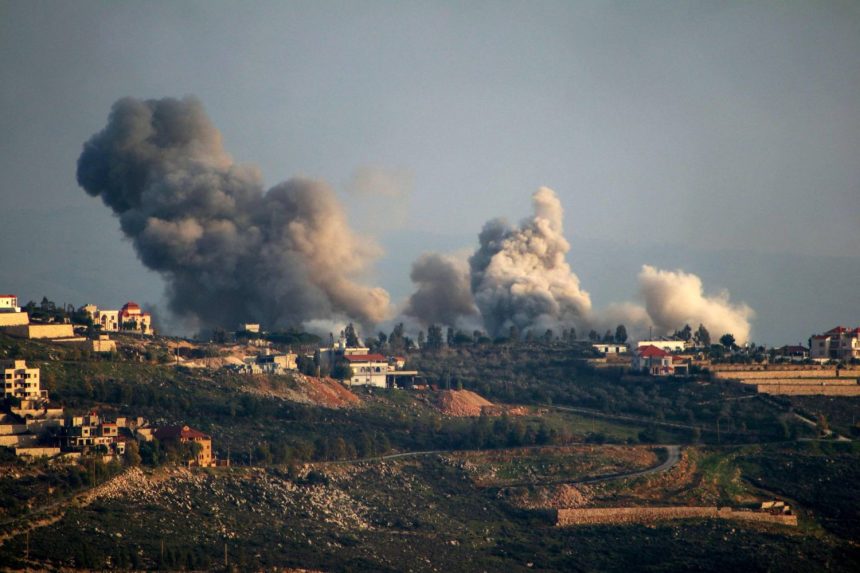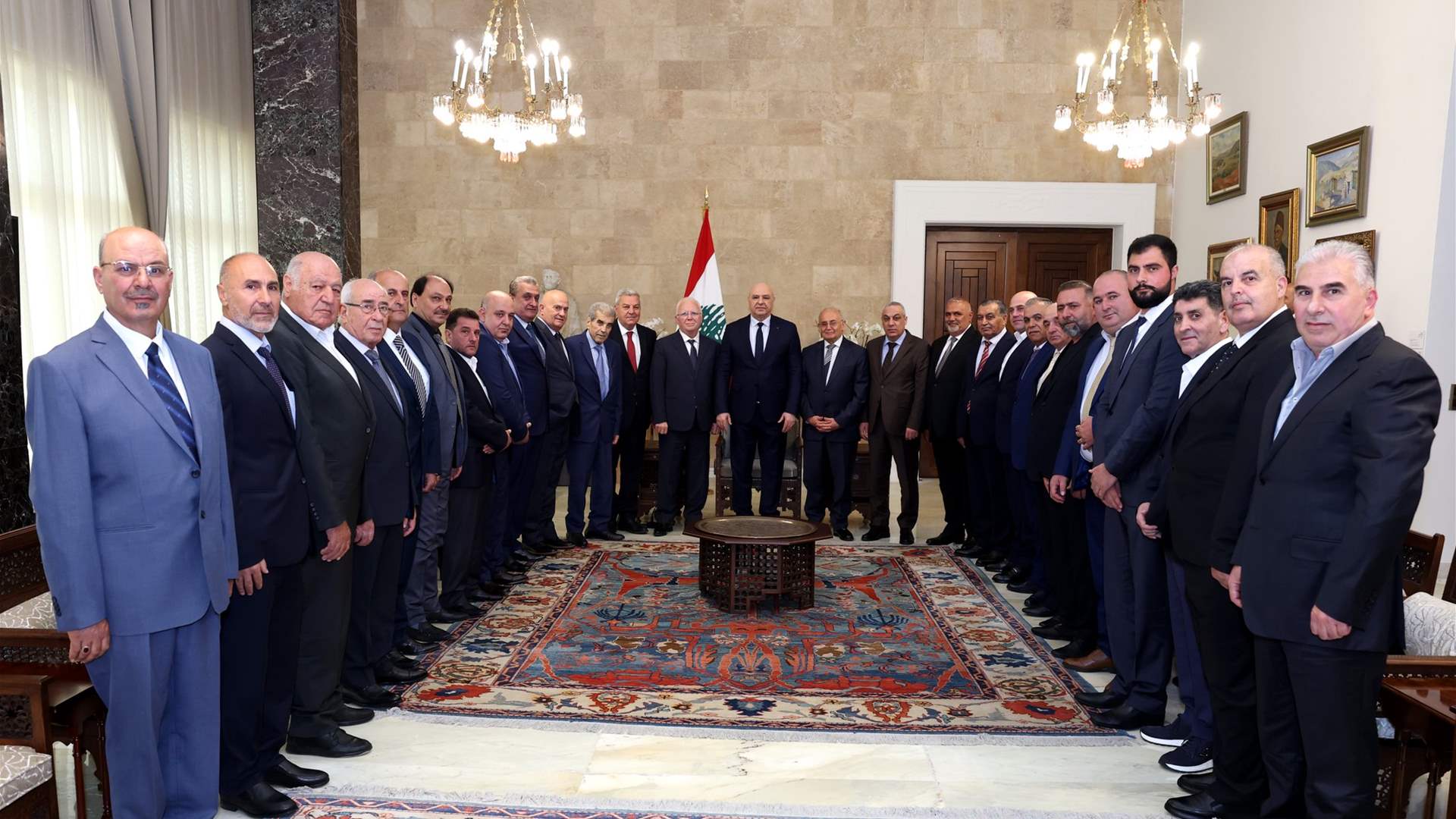
Lebanon has established a full framework for ongoing negotiations, prioritizing an Israeli withdrawal and a ceasefire. The Lebanese government's demands also include the deployment of the Lebanese army along its southern border, the safe return of displaced residents, and significant economic and financial assistance for the country. This full framework, which centers on these key elements, forms the bedrock of Lebanon's diplomatic engagement.
Key Negotiation Pillars
Lebanon's negotiating position centers on several core objectives, as outlined by government officials. A primary demand is a complete cessation of hostilities, leading to a permanent ceasefire along its southern border. This is coupled with the insistence on the full withdrawal of Israeli forces from Lebanese territory, a long-standing point of contention that Lebanon views as essential for its sovereignty and stability. The framework set by Lebanon for these ongoing negotiations explicitly details these requirements.
Additionally, Beirut seeks to reinforce its sovereignty over its southern regions through the deployment of the Lebanese Army to the border. This move is intended to assert national authority and ensure security in areas that have historically been flashpoints. The government also prioritizes the safe and dignified return of all residents displaced by recent conflicts, emphasizing the humanitarian imperative to allow these individuals to return to their homes and rebuild their lives. Economically, Lebanon is requesting substantial financial aid and assistance for reconstruction efforts, showing the humanitarian and developmental aspects of its demands, recognizing the severe impact of prolonged instability on its infrastructure and economy. These pillars collectively form the foundation of Lebanon's engagement in ongoing diplomatic discussions, reflecting a unified national stance.
President's Stance on War
Lebanese President Joseph Aoun has emphasized that the country's negotiation priorities are clear and non-negotiable. According to President Aoun, "any discussion beyond these points is inaccurate." This firm declaration shows the government's resolve to adhere strictly to its outlined demands for peace and stability. He noted Lebanon's historical experience with conflict, stating, "We have experienced wars and seen where they led Lebanon. Can anyone still bear their cost?" The President further articulated that Lebanon has already paid "the impossible and whatever costs less" in past conflicts, showing the nation's imperative to avoid further escalation. His remarks reinforce the government's unified position on the necessity of a ceasefire and Israeli withdrawal as foundational requirements for any diplomatic resolution, asserting that these points are fundamental to any meaningful progress.
Economic and Diplomatic Efforts
President Joseph Aoun affirmed his commitment to fostering economic ties, stating he would maintain efforts with Saudi Arabia aimed at reopening markets for Lebanese products. These initiatives are also intended to provide key support for farmers operating within Lebanon, a sector vital to the country's economy and food security. The push for economic assistance aligns with Lebanon's broader demands for financial aid and reconstruction, recognizing the significant impact of ongoing instability on its agricultural sector and overall economy. Such diplomatic endeavors are seen as integral to stabilizing the country and mitigating the adverse effects of regional tensions. Aoun's focus on agricultural support and market access notes a key component of Lebanon's strategy for economic resilience as it navigates the complex political landscape, demonstrating a proactive approach to national recovery. He stated he would continue these efforts with Saudi Arabia to reopen markets to Lebanese products and provide support for farmers within Lebanon.
Broader Context and Concerns
Lebanese President Joseph Aoun stated it was his duty to do "the impossible and whatever costs less" to keep war away from the nation and its citizens. This profound statement reflects the heavy burden of leadership in a region prone to conflict and the President's commitment to prioritizing the well-being of his people. President Aoun emphasized the need to avoid further conflict, reflecting broader concerns about the humanitarian and economic toll on the country. His determination to prevent further hostilities shows the gravity of the current situation and the urgent need for a diplomatic resolution based on Lebanon's established framework.