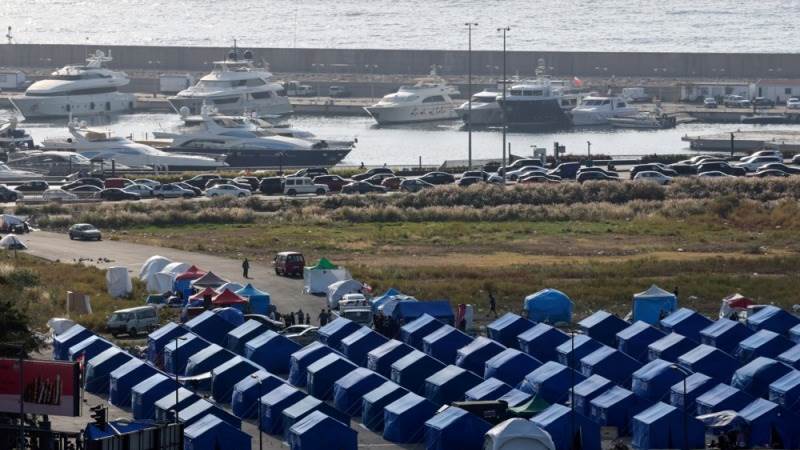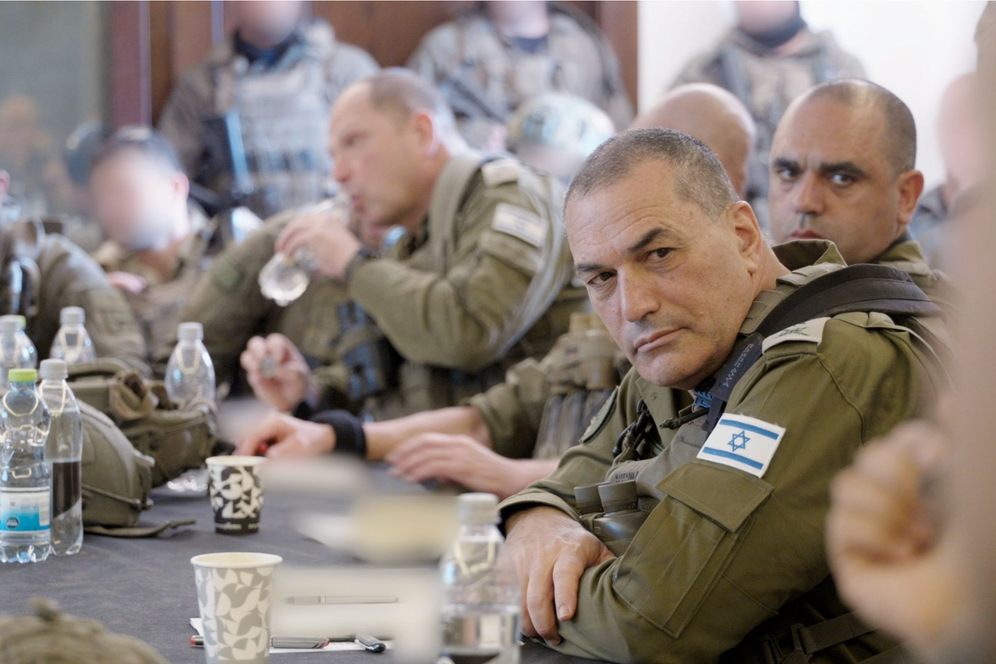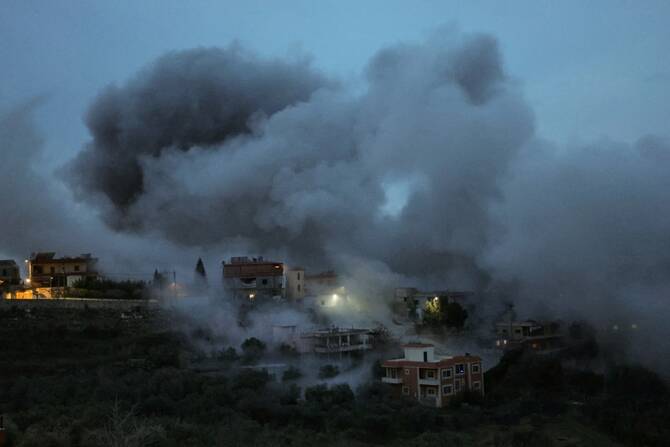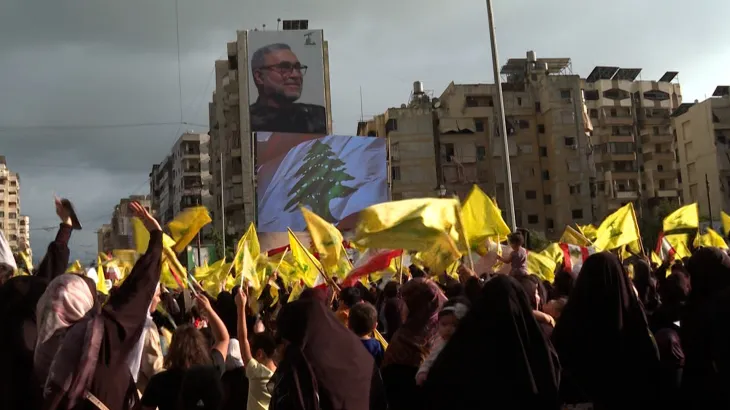
Lebanon is observing its annual Liberation Day under continuous Israeli bombardment, particularly in its southern regions. The ongoing military actions across the border have intensified fears among Lebanese citizens regarding renewed occupation, coinciding with the national day that commemorates the 2000 withdrawal of Israeli forces from southern Lebanon. This year's observances are overshadowed by the sustained cross-border hostilities, which have been a prominent feature of the current security situation. The recurring strikes from Israel have drawn significant attention and concern within the country, casting a somber mood over the national holiday. The claim that Lebanon marks Liberation Day under Israeli bombardment shows the gravity of the present circumstances, directly contrasting the celebratory nature typically associated with the occasion.
Liberation Day Significance
Liberation Day commemorates the date in 2000 when Israel concluded its 22-year occupation of southern Lebanon. The annual observance marks the withdrawal of Israeli forces from the region, an event celebrated as a significant moment in Lebanese history. For over two decades, parts of southern Lebanon were under Israeli control, following a series of military operations that began in the late 1970s. This protracted military presence deeply impacted the lives of residents in the southern territories, shaping the region's political and social landscape. The 2000 withdrawal led to widespread celebrations across the country, signifying the end of the foreign military presence in its southern territories and a triumph of national sovereignty. This historical event is fundamental to the national identity and resilience observed on Liberation Day, serving as a powerful reminder of the nation's capacity to overcome foreign occupation. The day is traditionally a time for reflection on the sacrifices made and the unity displayed in achieving this significant liberation.
Current Israeli Actions
This year's Liberation Day celebrations in Lebanon are occurring amidst claims that occupation is returning to the country’s south. This assertion reflects the ongoing military operations and persistent Israeli presence near the border, raising significant concerns among the Lebanese population. These actions have intensified anxieties regarding the potential for renewed foreign control in areas that were liberated over two decades ago, threatening the hard-won sovereignty commemorated on this very day. The current situation contrasts sharply with the historical significance of Liberation Day, which marks the definitive withdrawal of Israeli forces from southern Lebanon in 2000. The continuous cross-border hostilities contribute to a sense of instability and apprehension throughout the region, making the commemoration particularly poignant. The daily exchanges of fire and the visible military activity along the border fuel the fears that the gains of 2000 are being eroded, prompting a re-evaluation of the security landscape in southern Lebanon. The claim that Lebanon marks Liberation Day under Israeli bombardment notes the stark reality faced by citizens in the affected areas.
Historical Context
Lebanon's Liberation Day commemorates the withdrawal of Israeli forces from southern Lebanon in May 2000. This event marked the end of a 22-year occupation of the region, which began with various military operations and subsequent establishment of a security zone. The departure of Israeli troops was met with widespread celebrations across Lebanon, signifying a key moment in the nation's history and its sovereignty over its southern territories. The annual observance shows the country's resilience and its struggle against foreign military presence, reinforcing a collective memory of resistance and eventual triumph. Historically, the continuous presence of Israeli forces in southern Lebanon shaped the political and security landscape for over two decades, leading to significant displacement and conflict. The 2000 withdrawal is remembered as a significant achievement, reinforcing national identity and the principle of territorial integrity. It represented a moment of national unity and pride, as the country reclaimed its land after a prolonged foreign military presence.