Lebanon and Israel have advanced discussions regarding the establishment of "pilot zones" in southern Lebanon, marking a significant development in ongoing regional dialogues. Ambassadors-level talks between the two nations were anticipated to occur on Tuesday, July 14, 2026, to further these efforts. The progress comes as both sides explore mechanisms for de-escalation and stability along their shared border. The discussions precede the article's publication date of July 15, 2026, indicating recent movement on the initiative.
U.S.-Mediated Diplomatic Push
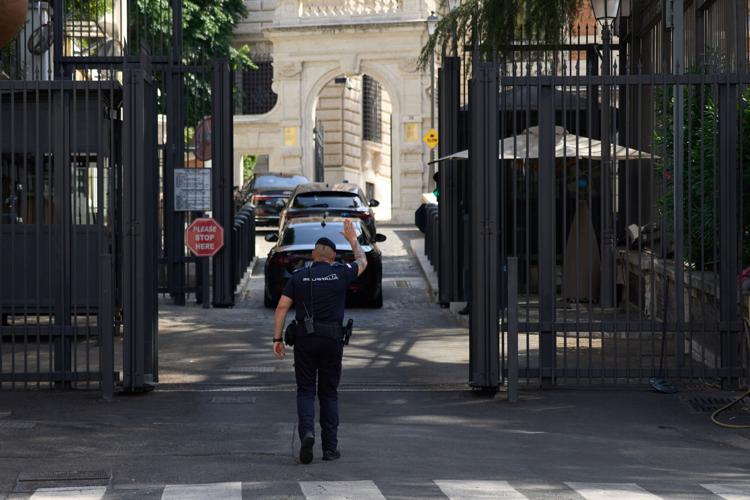
Diplomatic engagements between Lebanon and Israel, aimed at establishing pilot zones, occurred in Rome under the mediation of the United States. These discussions represent a critical component of broader efforts to foster stability and de-escalation along the contentious border region. The involvement of the United States as a mediator shows the international community's interest in resolving long-standing issues between the two nations. The talks in Rome provided a neutral ground for representatives from Lebanon and Israel to deliberate on the practical implementation and operational aspects of the proposed pilot zones. This diplomatic push is part of a sustained international focus on preventing further conflict and promoting peaceful coexistence in southern Lebanon. The structure of these U.S.-mediated talks allowed for direct communication on sensitive security and operational matters, paving the way for the potential advancement of the pilot zone initiative. The nature of the discussions reportedly centered on defining the parameters, oversight mechanisms, and specific geographical areas for these proposed zones. Such high-level engagement in a third-party location notes the delicate nature of the negotiations and the necessity of external facilitation to bridge divides between the two countries.
Pilot Zones in Southern Lebanon
The proposed pilot zones in southern Lebanon are envisioned as specific areas where enhanced security measures and development initiatives could be implemented to foster stability. These zones aim to create a framework for de-escalation along the border between Lebanon and Israel, which has long been a flashpoint for regional tensions. The concept involves defining geographical parameters for these areas, along with establishing clear oversight mechanisms to ensure their effective operation. Discussions in Rome, mediated by the United States, focused on the practical implementation and operational aspects of these zones. Both Lebanon and Israel are exploring how such zones could contribute to preventing future conflicts and promoting peaceful coexistence in the border region. The initiative represents a diplomatic effort to address security concerns through structured, localized interventions.
Context and Next Steps
Diplomatic efforts between Lebanon and Israel are focused on establishing pilot zones in southern Lebanon, a region historically marked by conflict. These discussions, facilitated by the United States, aim to create specific areas designed to enhance security and promote stability along the border. The ongoing talks represent a strategic move to de-escalate tensions and prevent future confrontations between the two nations.
The concept of pilot zones involves defining precise geographical boundaries within southern Lebanon where particular security protocols and development initiatives would be implemented. Establishing clear oversight mechanisms for these zones is a key aspect of the negotiations. Such measures are intended to provide a framework for managing security concerns and fostering an environment conducive to peace. The continued engagement, particularly with US mediation, shows the international community's commitment to finding practical solutions for stability in the volatile border region.