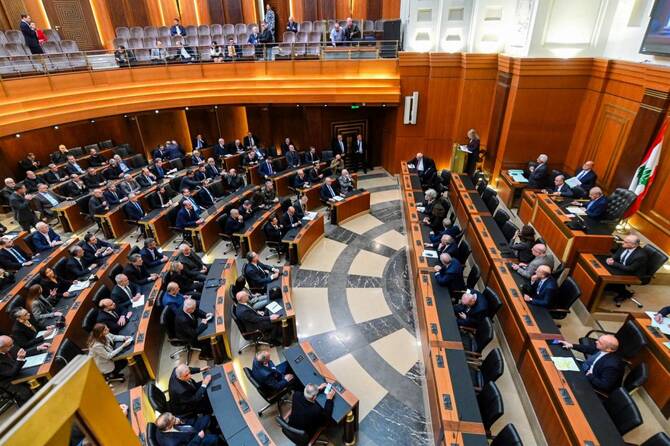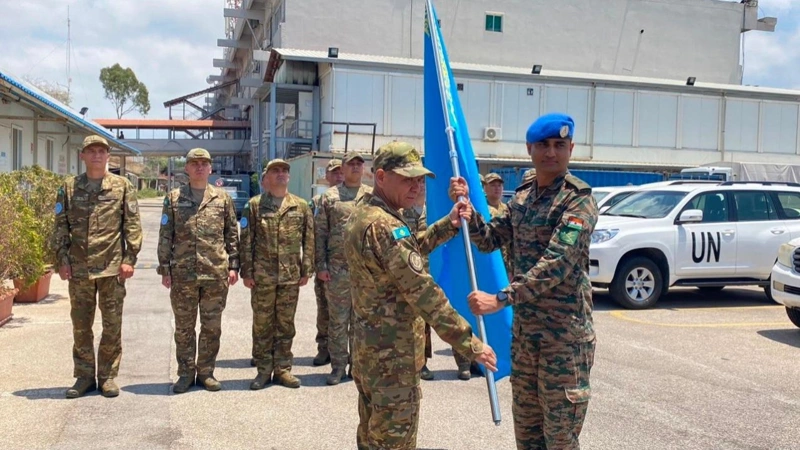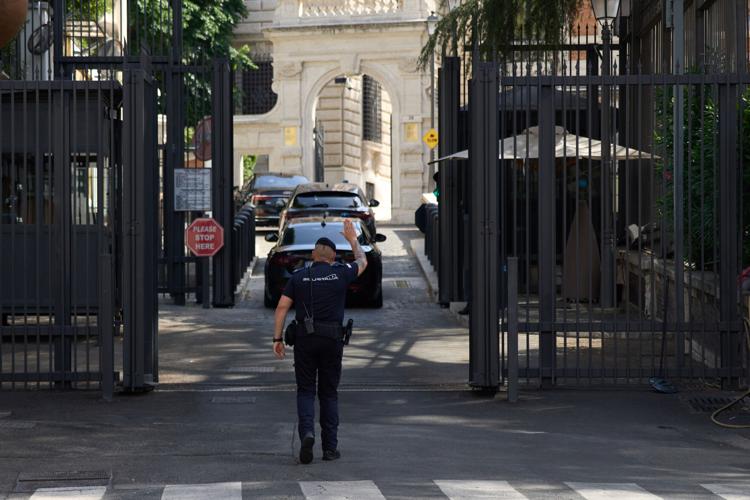
Lebanon and Israel have advanced plans for establishing "pilot zones" in southern Lebanon, following two days of U.S.-mediated talks in Rome. The initiative involves Israeli forces withdrawing from these zones and transferring control to the Lebanese army. After two days of intensive U.S.-mediated discussions in the Italian capital, Lebanon and Israel took concrete steps toward implementing these "pilot zones." The U.S. State Department described the discussions as "productive," affirming that significant progress was made. A statement from the U.S. State Department indicated, "The parties agreed on the structure and guidelines for the pilot zone process, to be finalized and implemented in the coming days." This key agreement sets the stage for a phased implementation of the withdrawal and transfer of authority, marking a potential turning point in the long-standing tensions in the region.
Framework Agreement Details
Lebanon and Israel announced a "framework agreement" on June 26, outlining a full plan for Israeli forces to withdraw from southern Lebanon in exchange for the disarmament of the Iran-backed Hezbollah militant group. This framework agreement also envisions key steps toward an eventual peace agreement between Lebanon and Israel, a goal that has eluded both nations for decades. This deal was specifically designed to commence with two "pilot zones" where the Israeli military would transfer control to the Lebanese army, which would then be responsible for clearing the areas of any Hezbollah presence. This handover mechanism is central to the agreement's objectives. Lebanese and Israeli officials previously stated that these initial pilot zones would encompass the strategically important towns of Froun, Ghandouriyeh, and Zawtar. The U.S. State Department confirmed that the parties had "agreed on the structure and guidelines for the pilot zone process, to be finalized and implemented in the coming days," reiterating the immediate next steps. Following the successful implementation of these initial zones, the U.S. State Department indicated that "we will move to expanded technical talks ... With the aim of reaching a full agreement between Israel and Lebanon," signaling a long-term vision for regional stability.
Background and Stalled Progress
Implementation on the ground had stalled ahead of this week's talks in Rome, despite previous agreements and the urgent need for de-escalation. The delay occurred after the latest Israel-Hezbollah war began, significantly disrupting prior diplomatic efforts. This conflict was ignited following the Lebanese militant group's firing of rockets into Israel, an action that escalated an already tense situation. This action took place days after Israel and the United States launched their war on Iran on February 28, further complicating the regional security landscape. Following these events, Israel invaded Lebanon and has since occupied a large swathe of the country's south, leading to widespread displacement and humanitarian concerns. The occupation has been a major point of contention in subsequent negotiations, showing the urgency of the pilot zone initiative.
Divergent Stances and U.S. Hopes
Lebanese President Joseph Aoun stated before the recent Rome talks that instructions had been given to the Lebanese delegation "to demand the immediate withdrawal of Israeli forces from the two pilot zones before any further discussions." This firm position reflects Lebanon's insistence on a clear and immediate Israeli pullback as a prerequisite for deeper engagement. This stance contrasts sharply with public statements from Israeli officials, who have indicated plans for an extended occupation of southern Lebanon, suggesting a fundamental disagreement on the timeline and scope of withdrawal. Further complicating the situation, Hezbollah has asserted it will not abide by the agreement and has no intentions of disarming, posing a significant challenge to the framework's core objective of disarming the militant group. This declaration by Hezbollah casts a shadow over the prospects of full implementation and peace.
U.S. President Donald Trump has expressed a strong desire for Israel to withdraw or "redeploy" forces from Lebanon, as well as from a strip it is currently occupying in southern Syria. Mr. Trump remarked, "Southern Syria and from parts of Lebanon, yeah, it would be good to get out, I think, and I think you might see things get a little bit calmer. We have to focus our energy on the big leagues. The big leagues are Iran." This statement from the U.S. President shows a strategic shift in American foreign policy priorities, aiming to reduce regional entanglements to concentrate on what he perceives as larger threats. President Trump also proposed that Syrian President Ahmad al-Sharaa send forces into Lebanon to address the Hezbollah presence, suggesting a regional solution to the militant group's influence. He specifically proposed that Syrian President Ahmad al-Sharaa send forces into Lebanon to "take care of" Hezbollah, indicating a desire for external intervention to resolve the issue. However, Syrian President Ahmad al-Sharaa has publicly stated his desire for Syria to remain out of the regional conflict, indicating no interest in military intervention in Lebanon. This rejection by President al-Sharaa notes the complexities of regional alliances and the reluctance of some actors to become further embroiled in the ongoing disputes. The divergent views among key players, from the immediate parties to external powers, illustrate the delicate balance required for any lasting resolution in the region.