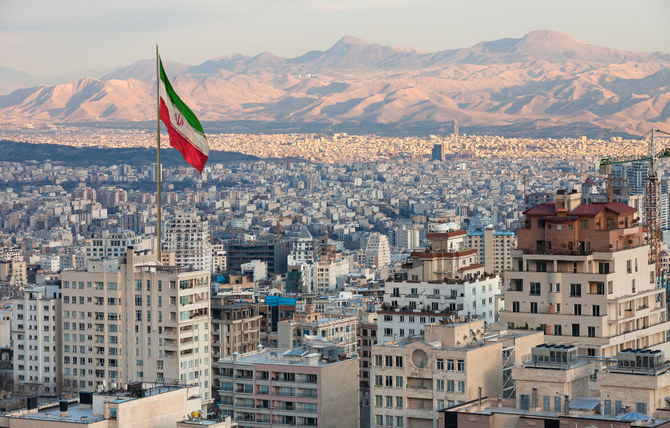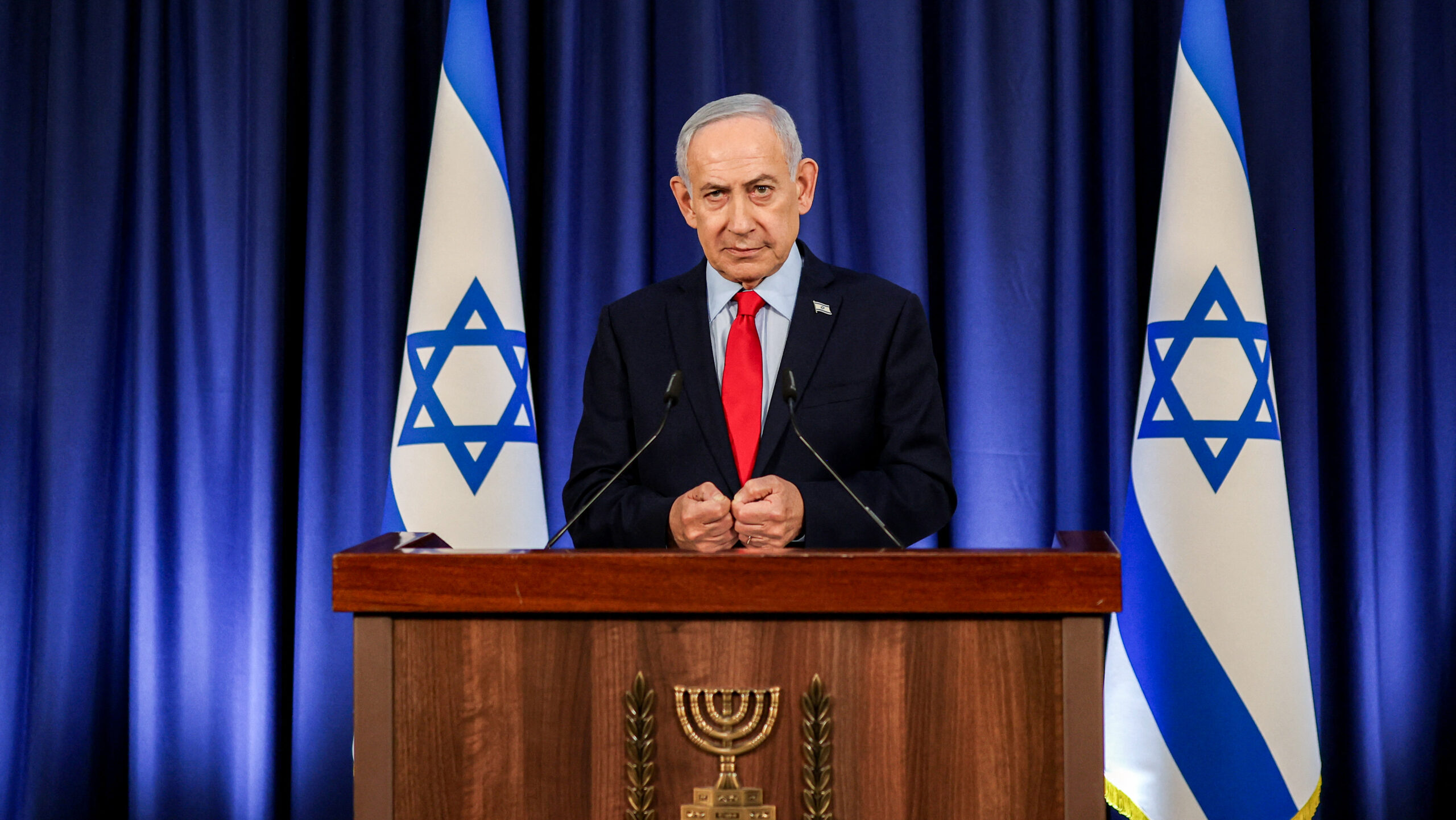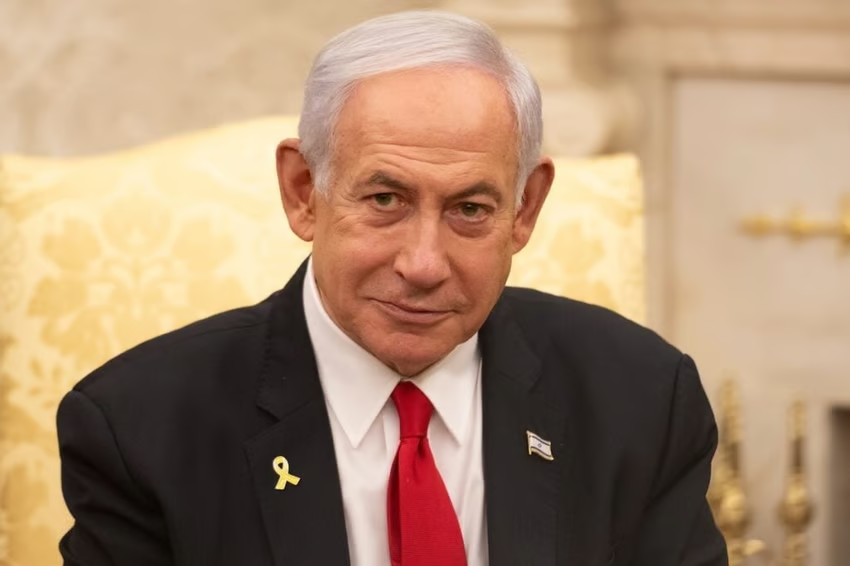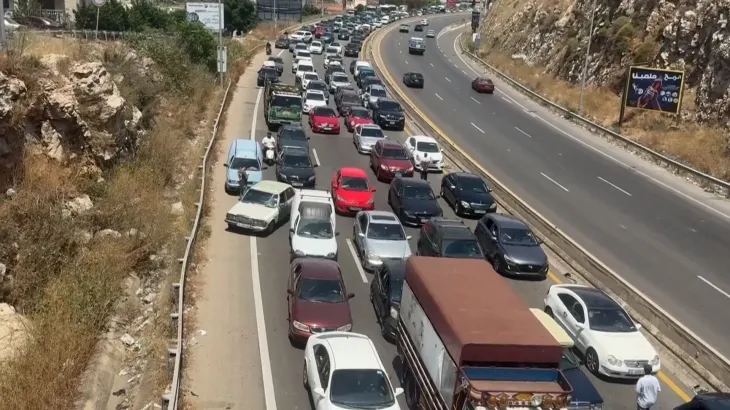
People in Lebanon awoke Monday morning to news of a ceasefire agreement brokered between the United States and Iran, which reportedly extends its provisions to include Lebanon. This significant development comes as a potential turning point for a region grappling with persistent conflict and follows a period of intense diplomatic efforts. The announcement of the US-Iran deal, which reportedly includes Lebanon within its scope, has ignited cautious optimism among many, though lingering doubts about its long-term efficacy persist given the complex history of the conflict. This development follows a separate ceasefire agreement reached on June 3 between Israel and Lebanon after direct negotiations between the two nations. The earlier agreement aimed to de-escalate tensions in the region, providing a framework for stability that was, however, challenged by subsequent events. The layering of these agreements shows the international community's ongoing efforts to bring an end to the protracted hostilities affecting Lebanon.
Escalation and Past Violations
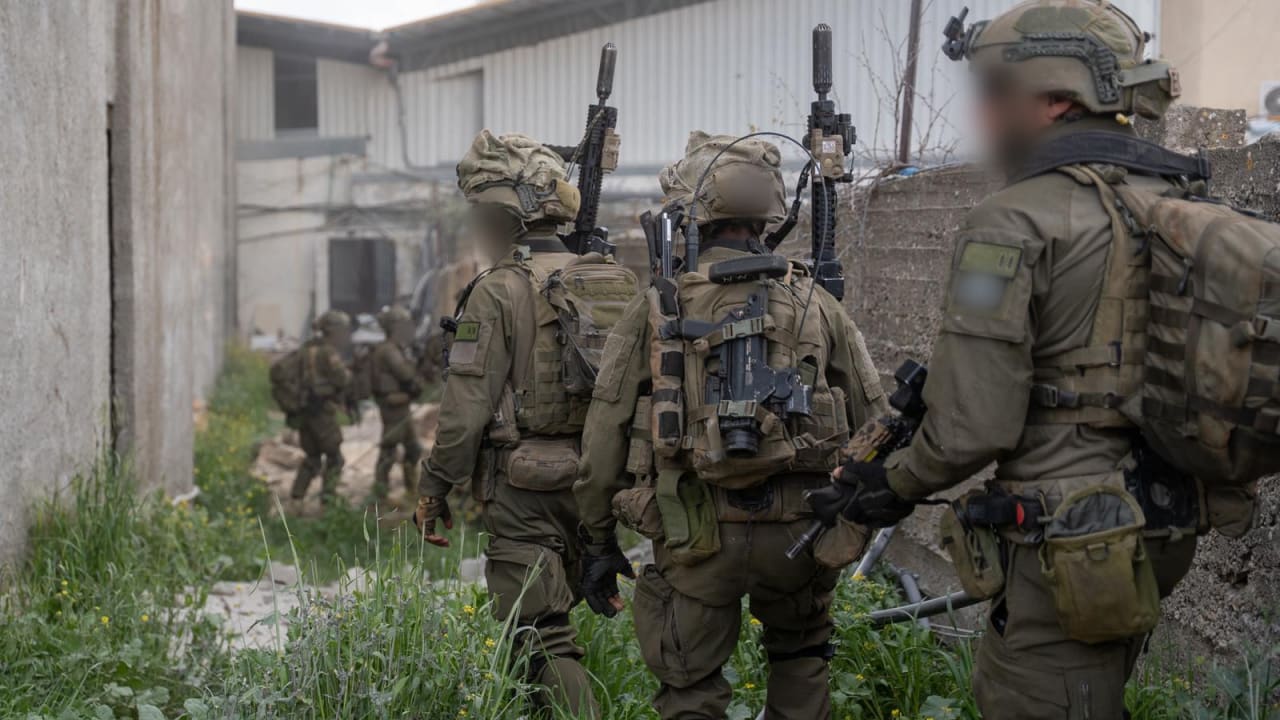
Israel intensified its war on Lebanon on March 2, marking the second such escalation in less than two years. This renewed aggression occurred after Hezbollah fired six rockets at Israel, which Hezbollah stated was its initial response to more than 10,000 Israeli violations of the 2024 ceasefire. The firing of these rockets by Hezbollah was a direct reaction to what it described as a pattern of Israeli infringements upon the existing ceasefire, signaling a deep-seated distrust and a cycle of retaliation that has plagued the border region. Since March 2, the conflict has resulted in significant casualties within Lebanon, noting the devastating human cost of the ongoing hostilities. Israeli actions have killed at least 3,783 people and wounded 11,699 others in the country during this period. These figures show the severe impact of the conflict on the civilian population, with thousands of lives lost and many more suffering injuries. The violence has included targeted strikes, indicating a precise yet deadly approach to military operations. Lebanese state media reported an Israeli drone strike on a car in southern Lebanon, which killed its driver, illustrating the targeted nature of some of these attacks and their immediate, tragic consequences for individuals.
Previous Ceasefire Terms and Unfulfilled Promises
The November 2024 agreement had stipulated that Israeli troops would withdraw from Lebanese territory, requiring a cessation of hostilities between the parties. This agreement was intended to provide a clear path towards de-escalation and a return to a more stable border environment. Under the terms of that ceasefire, Hezbollah was also mandated to withdraw its armed presence to areas north of the Litani River, a provision designed to create a buffer zone and reduce the immediate threat of cross-border engagements. Despite these explicit provisions, Israel did not fully withdraw its troops from Lebanese land. This failure to comply with the terms of the agreement left key points of contention unresolved and contributed to the continued instability. Five specific points along the Israeli-Lebanese border remained under Israeli occupation following the agreement, serving as tangible reminders of unfulfilled promises and a continued source of friction between the two nations. This partial adherence to the ceasefire terms eroded trust and set the stage for subsequent escalations, demonstrating the fragility of peace agreements when not fully implemented by all parties.
Reactions and Outlook Amidst Displacement
US President Donald Trump announced a ceasefire between Lebanon and Israel on April 16, adding another layer to the complex diplomatic landscape. This development followed a period of heightened tensions, as Hezbollah launched an attack after the February 28 killing of Iran’s Supreme Leader Ayatollah Ali Khamenei. The assassination of such a high-profile figure dramatically escalated regional tensions, prompting a strong retaliatory response from Hezbollah and further destabilizing an already volatile situation. The prolonged conflict has led to significant displacement within Lebanon, with more than 1.2 million people displaced from southern Lebanon, Beirut’s southern suburbs, and villages in the Bekaa Valley. This massive internal displacement represents a humanitarian crisis, forcing countless families from their homes and disrupting lives across wide swathes of the country. The scale of this displacement shows the profound and widespread impact of the conflict on the Lebanese population, far beyond the immediate casualties. As of Monday afternoon, Hezbollah had not carried out any operations since the US-Iran deal was announced, indicating a potential de-escalation in the immediate aftermath of the agreement. This temporary halt in operations offers a glimmer of hope that the latest ceasefire might hold, at least in the short term. The ceasefire announcement from the US President marks a critical moment for the region, offering a new opportunity for peace, though the history of past violations and unfulfilled agreements means that vigilance and sustained diplomatic efforts will be essential for any lasting stability. The international community will be closely watching to see if this latest agreement can finally bring an end to the cycle of violence that has plagued Lebanon for so long.