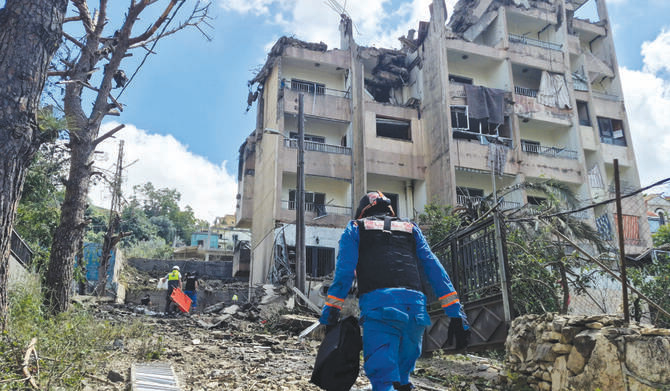
Lebanese President Joseph Aoun stated on Monday that Israel’s withdrawal from the country’s south remains an "uncompromised" national demand, as Israeli troops continue operations within a self-declared "yellow line" approximately 10 km deep inside Lebanese territory. President Aoun emphasized that Israel’s withdrawal from the country’s south was a “non-negotiable” demand, a stance reiterated during his address. The president said, "this year, the anniversary of the liberation comes as Lebanon is weighed down by a painful reality." He added that "Israeli attacks have not stopped, and our dear southern villages are still suffering under a renewed occupation," emphasizing that "Lebanon will not accept this reality." This ongoing military presence and the associated suffering show the urgency of Lebanon's demands for full territorial integrity.
President Aoun affirmed that "the path to a full Israeli withdrawal will remain an uncompromised, constant national demand that the Lebanese state works to achieve through the option of negotiations." He concluded, "The liberation of the south is a duty borne by the state with the support of its people." This declaration notes the Lebanese government's steadfast commitment to reclaiming its sovereign territory. Israeli forces, who invaded Lebanon during the latest war with Hezbollah, began their incursions on March 2. These Israeli troops are currently operating inside a self-declared "yellow line" that runs around 10 km deep inside Lebanese territory, a significant point of contention for Beirut.
Escalating Tensions and Talks
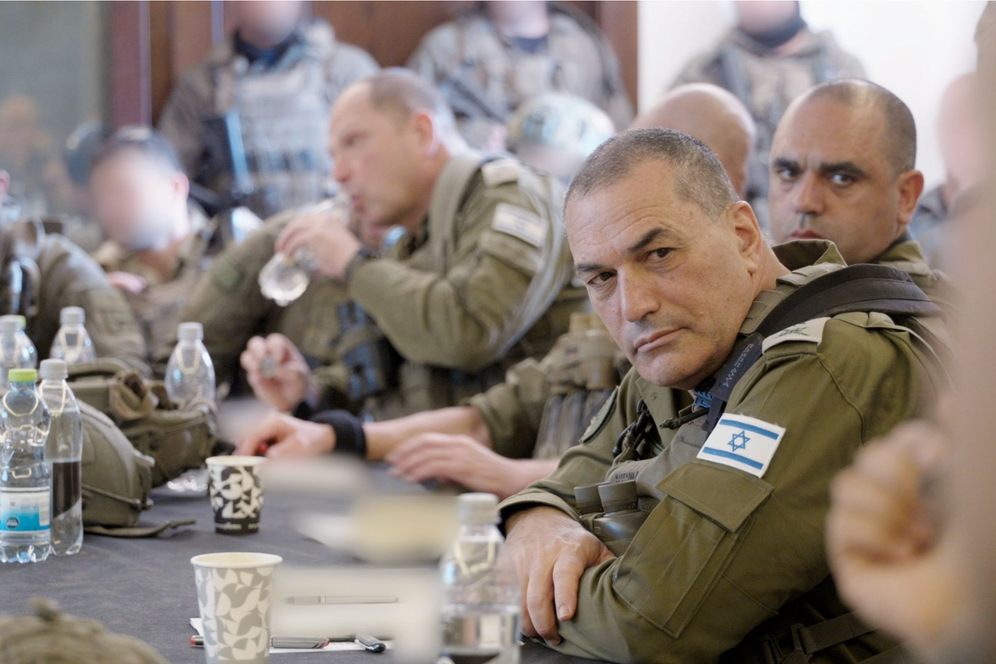
Lebanon and Israel commenced US-brokered talks last month, signaling a diplomatic channel amidst heightened regional tensions. These discussions represent a key effort to de-escalate the situation and address long-standing border disputes. A fourth round of negotiations is scheduled for early June, indicating ongoing diplomatic efforts amidst regional tensions and the complex political landscape. Parallel to these discussions, a meeting between military delegations from the two nations is planned for May 29 at the Pentagon in Washington. This high-level military engagement in the US capital shows the international community's involvement and the critical nature of the security concerns.
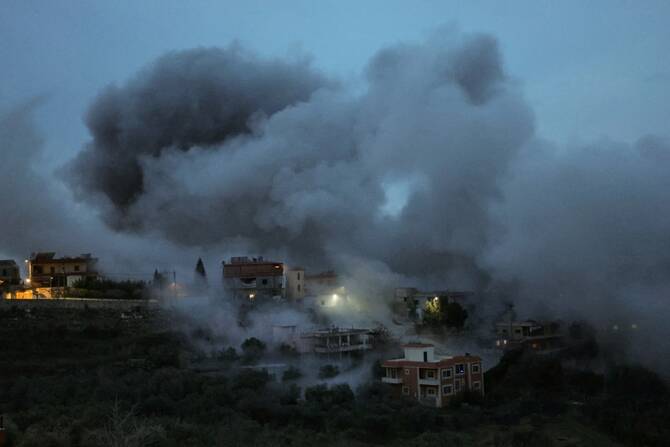
Despite a ceasefire that was intended to be in effect since April 17, Israel’s military has been conducting heavy strikes well beyond the previously established operational area. These actions contradict the supposed cessation of hostilities and raise serious questions about the effectiveness and adherence to the ceasefire agreement. In a recent development, the Israel Defense Forces issued a warning to residents in 10 villages across southern Lebanon, advising them to evacuate their homes. This warning was issued in anticipation of expected strikes targeting alleged Hezbollah positions within these areas. The continued military activity, particularly the pre-emptive evacuation notice, raises concerns about the stability of the ceasefire and the immediate future of the border region. The IDF's actions suggest an expansion of military operations, impacting civilian populations and further destabilizing an already volatile area.
Hezbollah's Stance and US Concerns
Hezbollah chief Naim Qassem reiterated his organization’s opposition to direct talks with Israel and its refusal to disarm. Qassem stated, "If this government is incapable of guaranteeing sovereignty, it should go," in reference to the Lebanese government's handling of the ongoing situation. He further questioned the nation's autonomy, asking, "Where is the sovereignty if America runs the cogs of the Lebanese state?" His remarks show Hezbollah’s consistent stance against normalization with Israel and its assertion of its armed status within Lebanon. This position creates significant internal challenges for the Lebanese government as it navigates international diplomacy and attempts to assert national authority.
US Secretary of State Marco Rubio addressed Hezbollah's statements, condemning what he described as a "reckless call to overthrow Lebanon’s democratically elected government." Rubio's comments highlight Washington's concerns regarding Hezbollah's influence on Lebanon's political stability and its challenges to the country's governance. The US stance emphasizes support for the elected government and criticizes actions perceived as undermining its authority. The international community, particularly the United States, views Hezbollah's continued armed presence and political influence as a destabilizing factor in Lebanon, complicating efforts to achieve lasting peace and sovereignty in the region. The US position reinforces the importance of strengthening state institutions and reducing the sway of non-state actors.
President Aoun's Call for Sovereignty
President Joseph Aoun has consistently asserted Lebanon's sovereign rights and its demand for a full Israeli withdrawal from its territory. He has characterized the ongoing presence of Israeli forces in southern Lebanon as a "renewed occupation," emphasizing that Lebanon will not accept this reality. President Aoun views the complete liberation of the south as an "uncompromised, constant national demand." His administration seeks to achieve this objective through diplomatic negotiations, affirming the state's duty to reclaim its full sovereignty with the support of the Lebanese people. This stance shows the government's commitment to upholding national integrity amidst persistent regional tensions and military incursions. His calls for sovereignty are central to Lebanon's position in ongoing US-brokered talks with Israel, where the nation aims to secure its borders and assert its independence fully. The President's unwavering commitment to these principles forms the bedrock of Lebanon's negotiating strategy and its long-term vision for a stable and secure future.