Lebanon is actively seeking Emirati investment, targeting key sectors such as ports, airports, and digital governance, as it navigates its ongoing economic crisis. This initiative aims to attract significant capital from the United Arab Emirates to bolster national infrastructure and support key economic recovery efforts. To facilitate this vital collaboration and strengthen bilateral economic ties, a new UAE-Lebanon Business Council is being established. The council's primary objective is to foster and encourage strong bilateral private-sector investment between the two nations, providing a structured platform for business engagement and development. Lebanon is actively courting Emirati capital, noting ports, airports, and digital governance as key sectors for potential UAE investment, showing the strategic importance of these areas for national development.
Economic Revival and Investment Sectors
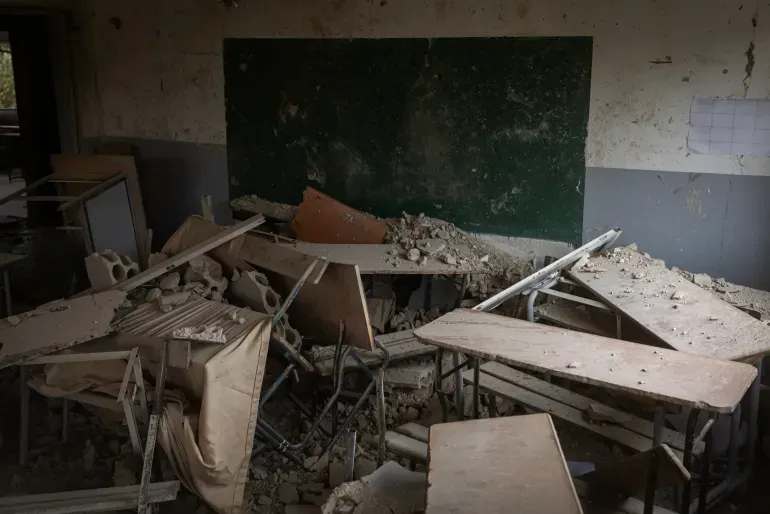
Lebanon is grappling with a severe financial collapse that commenced in 2019, plunging the country into an unprecedented economic downturn. The nation is urgently seeking to attract foreign direct investment to revitalize its struggling economy, with specific attention directed towards sectors deemed critical for both immediate recovery and long-term sustainable growth. These priority areas include the modernization and expansion of ports, the development of airports, and the enhancement of digital governance infrastructure. The Lebanese government views these sectors not only as foundational for economic stability but also as essential for future development and integration into the regional economy. Discussions with Emirati officials and business leaders have consistently centered on the numerous opportunities within these specific areas, aiming to secure substantial capital injections from the United Arab Emirates. This concerted push for investment is a central component of a broader national strategy designed to address the severe economic downturn and rebuild the country's financial resilience. The financial collapse that began in 2019 has profoundly impacted every aspect of Lebanese life, making foreign investment a critical lifeline for national resurgence.
Diplomatic Shifts and Travel Ban Lift
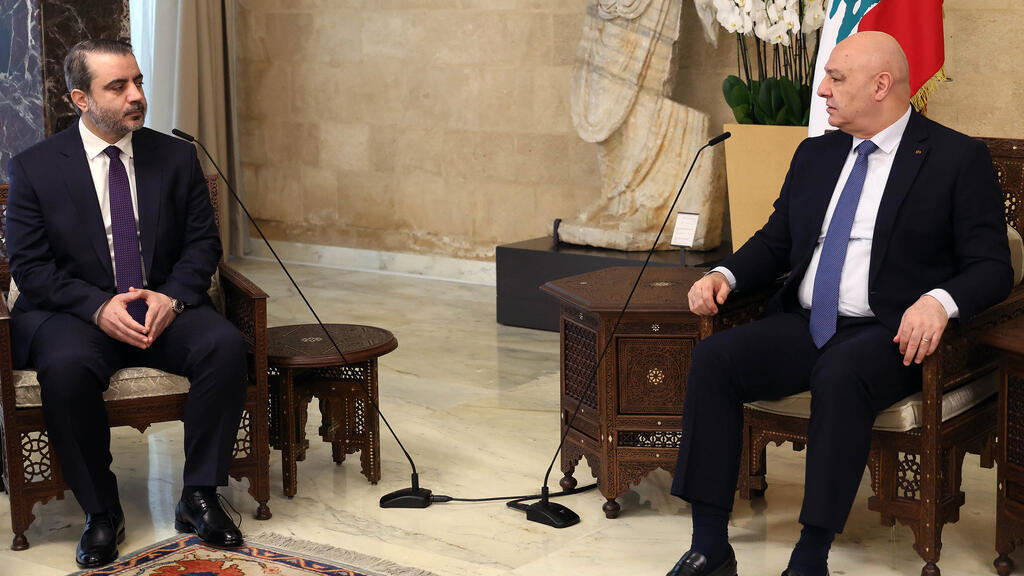
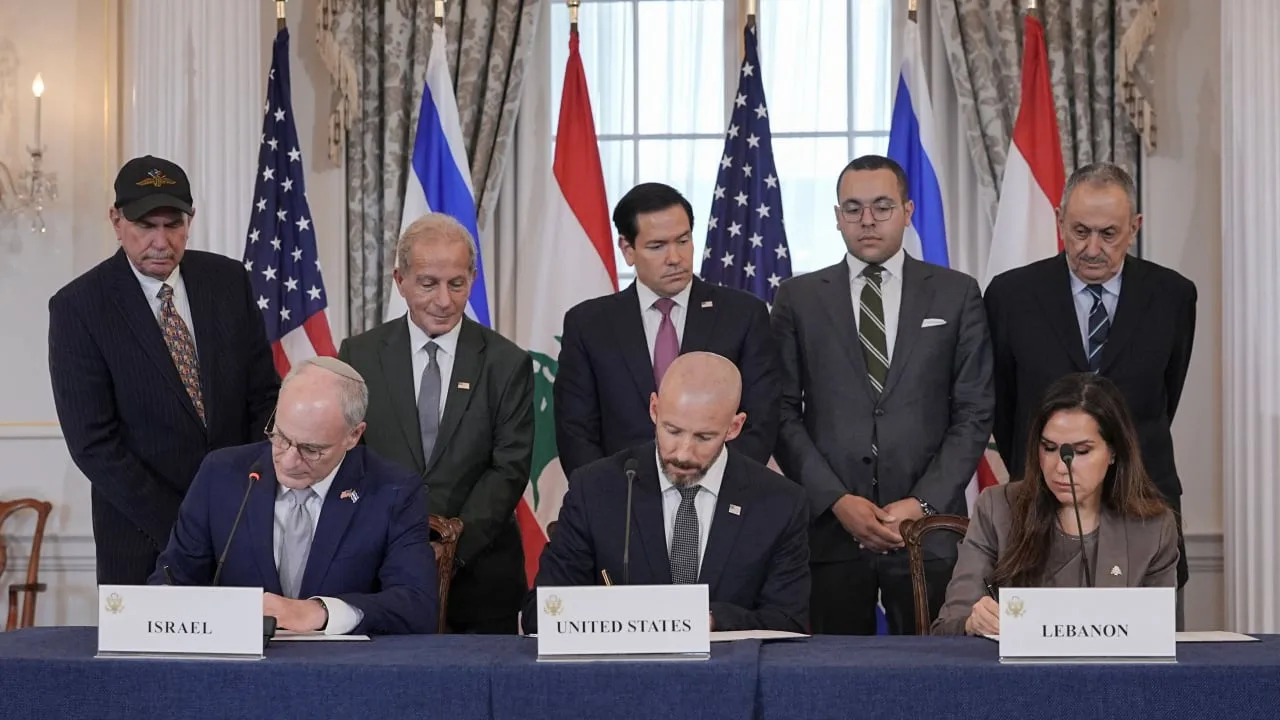
A significant development in bilateral relations occurred when the United Arab Emirates lifted its travel ban on Emiratis visiting Lebanon last May. This key decision followed President Aoun's visit to the Emirates, signaling a thawing of diplomatic tensions and a renewed willingness for engagement. The lifting of the travel ban also came after the signing of a trilateral framework involving Lebanon, the US, and Israel, which laid the groundwork for regional stability discussions. The UAE had previously prohibited its citizens from traveling to Lebanon for an extended period, specifically between 2021 and May of this year, a measure that significantly impacted tourism and business exchanges. Before the imposition of this travel ban, approximately 25,000 Emiratis visited Lebanon annually, contributing substantially to the Lebanese economy through tourism and related services. Following a 12-day conflict between Israel and Iran last June, visitor numbers to Lebanon from the UAE experienced a decline of about 50 percent, illustrating the sensitivity of travel to regional geopolitical events. The recent lifting of the travel restriction signals a positive shift in diplomatic relations and could pave the way for increased Emirati engagement with Lebanon across various sectors, including tourism, trade, and investment. The UAE lifted its travel ban on Emiratis visiting Lebanon following the signing of a trilateral framework between Lebanon, the US, and Israel, indicating a broader diplomatic context for the decision.
Facilitating Business Ties
In a strategic move to attract foreign capital, Lebanon has identified prominent Emirati business figures as welcome investors. These individuals include Mohamed Alabbar and Khalaf Al Habtoor, whose potential involvement is seen as a key driver for investment. The explicit naming of these high-profile individuals signals Lebanon's intent to engage specific, influential investors from the United Arab Emirates, leveraging their experience and financial capacity. This targeted outreach is a key component of Lebanon's broader efforts to secure much-needed investment from the Gulf nation, aiming to rebuild its economy.
In a move to formalize and streamline these investment avenues, Lebanon has already appointed its representatives to the newly established UAE-Lebanon Business Council. This proactive step notes Lebanon's commitment to swiftly operationalizing the council. The council aims to serve as a key mechanism for fostering and encouraging private-sector investment between the two countries, providing a structured platform for dialogue, cooperation, and deal-making. The swift appointment of Lebanese members shows the country's commitment to activating the council and facilitating bilateral business opportunities, demonstrating a readiness to engage constructively. Meanwhile, the United Arab Emirates is currently in the process of appointing its members to the UAE-Lebanon Business Council, with their full roster expected to be announced soon. This parallel process ensures that both sides will be equally represented and committed to the council's objectives.
Ambassador's Outlook and Regional Dynamics
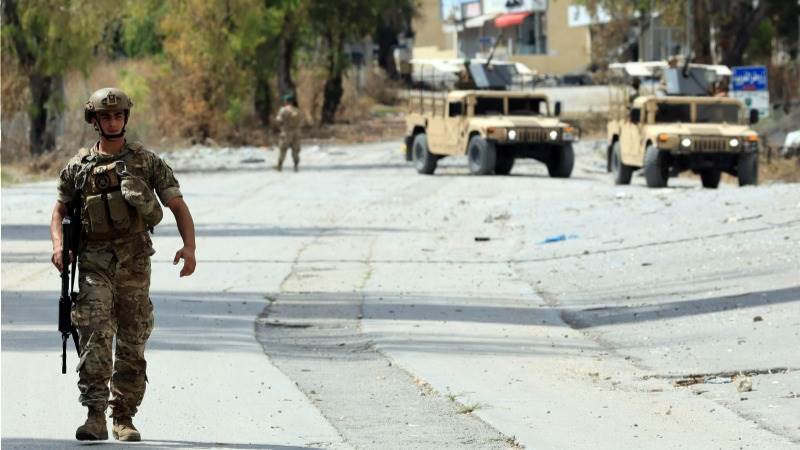
A trilateral framework involving Lebanon, the US, and Israel aims to establish a pathway toward an agreement for security control and disarmament, addressing long-standing regional concerns. This framework is key for fostering a more stable environment, which is often a prerequisite for significant foreign investment. The broader regional context, however, remains complex. The Iran-backed Hezbollah resumed hostilities with Israel in March, acting in support of Tehran as it faced attacks from the US and Israel. This resurgence of conflict shows the delicate geopolitical balance in the region and its potential impact on economic stability and investor confidence. During the period of renewed conflict, the UAE announced that it had successfully dismantled a 'terrorist network' that it stated was funded and operated by Hezbollah and Iran. This announcement further notes the differing regional alignments and security concerns that can influence diplomatic and economic relations. The trilateral framework between Lebanon, the US, and Israel aims to create a pathway towards an agreement for security control and disarmament, offering a potential avenue for de-escalation and long-term stability in the region.