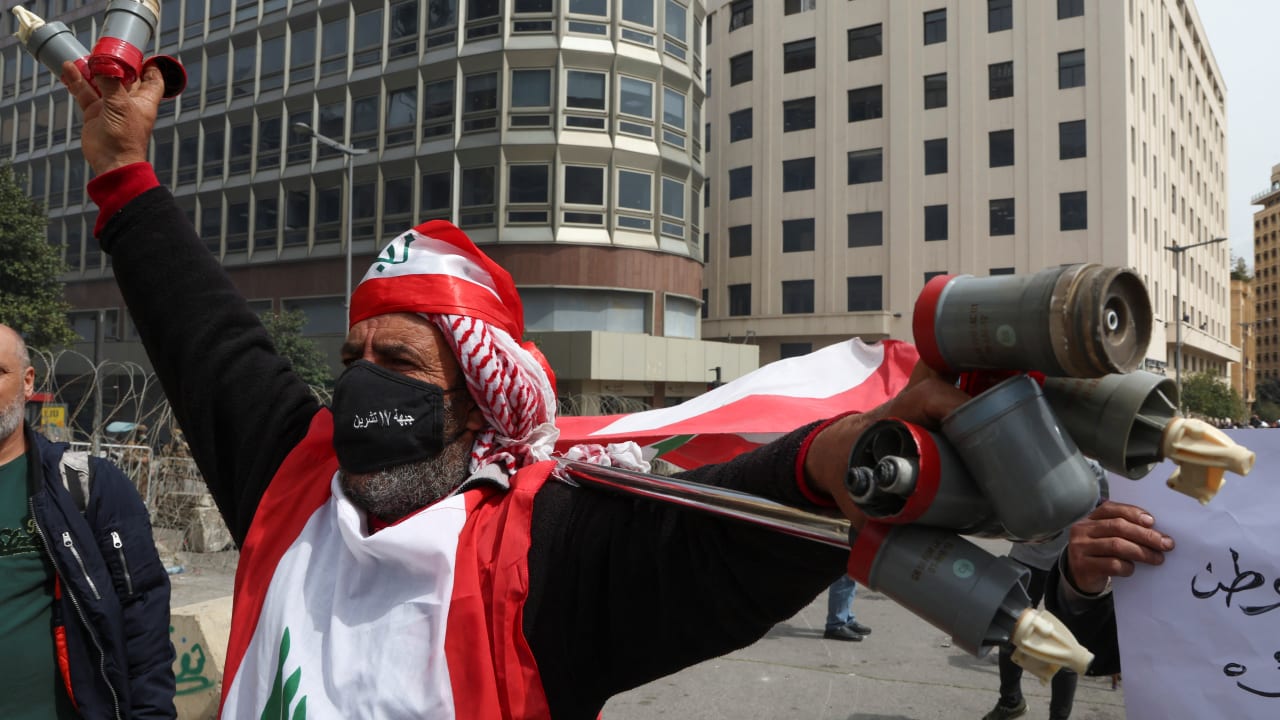
Hostilities since March 2 in Lebanon have resulted in at least 4,298 deaths and 12,196 injuries, according to figures released by the Ministry of Public Health. These grim statistics highlight the severe human toll exacted by the ongoing conflict. The persistent violence has also caused significant displacement, with nearly 500,000 people currently remaining displaced across the country, seeking safety and shelter away from their homes. The humanitarian situation continues to deteriorate amidst persistent clashes, particularly impacting southern regions, where the intensity of hostilities has been most pronounced. These figures show the severe human cost and widespread disruption caused by the conflict, affecting countless lives and livelihoods. The displacement crisis places additional strain on resources and aid efforts within Lebanon, exacerbating existing vulnerabilities and creating new challenges for humanitarian organizations. The scale of the casualties and the number of displaced persons paint a stark picture of the crisis unfolding across the nation.
Ongoing Hostilities and Civilian Impact
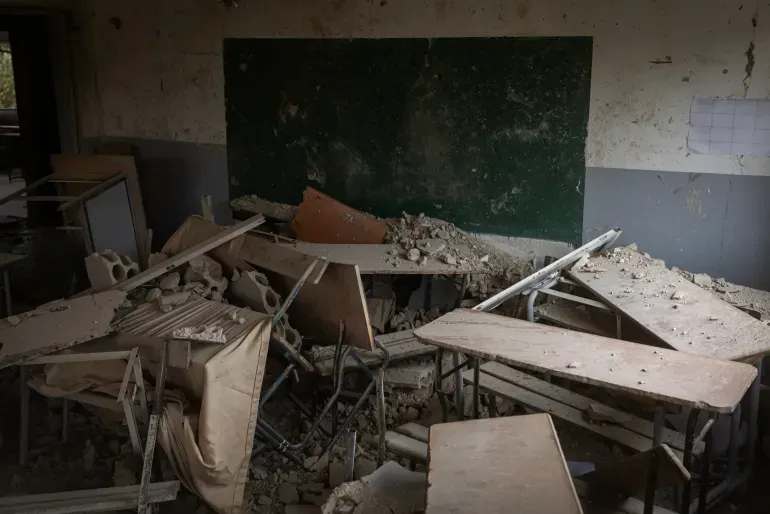
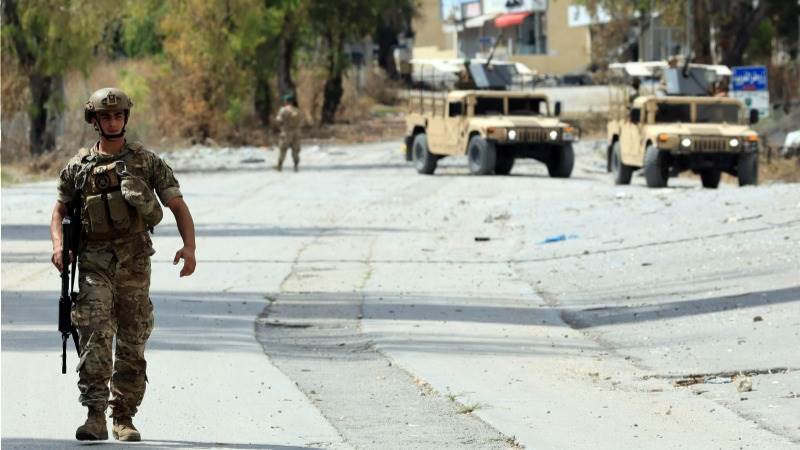
Daily reports indicate ongoing risks to civilians from airstrikes, shelling, demolitions, drone activity, and unexploded ordnance (UXO) incidents across Lebanon. These varied forms of attack create an environment of constant fear and insecurity for residents, particularly those living in proximity to the conflict zones. These persistent hostilities contribute directly to the widespread humanitarian challenges, making daily life precarious and access to essential services difficult. Damage to infrastructure and essential service networks, coupled with insecurity in parts of South and Nabatieh governorates, continues to impede humanitarian operations. This damage includes critical facilities such as hospitals, schools, and water infrastructure, further impacting the population's well-being. These factors complicate efforts to deliver aid and assistance to affected populations, further exacerbating the crisis by limiting the reach of vital support. The continuous threat of various forms of attack restricts access and safety for both civilians and humanitarian workers in the affected regions, making humanitarian response efforts exceptionally challenging and hazardous. The widespread insecurity also prevents many displaced individuals from returning home, prolonging their displacement.
Scale of Displacement and Needs
A total of 646,107 people have returned to their areas of origin, according to recent figures, indicating some movement back to less affected areas. Despite this, humanitarian and protection needs remain significant across the country, even with reduced hostilities in certain areas. The sheer number of individuals still displaced shows the enduring impact of the conflict on communities. As of July 2, a significant portion of the displaced population, numbering 47,143 Internally Displaced Persons, are housed in 430 collective shelters across Lebanon. These shelters provide temporary refuge but often face overcrowding and limited resources. Women and girls constitute over 53 percent of this displaced population, noting specific vulnerabilities and protection concerns within the affected groups, including risks of gender-based violence and limited access to reproductive health services. These ongoing needs show the continuing challenges faced by those impacted by the conflict, requiring sustained attention and resources from humanitarian actors. The presence of a large displaced population in collective shelters indicates sustained pressure on humanitarian resources and the urgent need for more durable solutions for shelter and resettlement.
Operational Challenges and Funding Gaps
Access constraints and funding shortfalls continue to limit the humanitarian response in Lebanon, impeding efforts to address the widespread needs. The 2026 Lebanon Flash Appeal, designed to address urgent humanitarian needs across various sectors, remains significantly underfunded, having secured only 37 per cent of its required budget. This substantial funding gap severely restricts the scope and scale of humanitarian interventions. These financial limitations directly impede the ability of aid organizations to scale up operations and reach affected populations effectively, leaving critical needs unmet. The combined challenges of restricted access due to insecurity and insufficient funding create significant hurdles for delivering essential assistance to those displaced and impacted by the ongoing conflict. This shortfall in funding exacerbates the humanitarian crisis, affecting the provision of critical services and supplies across the country, including food, water, sanitation, health, and education. Without adequate funding, the humanitarian community struggles to provide full support, prolonging the suffering of vulnerable populations in Lebanon.