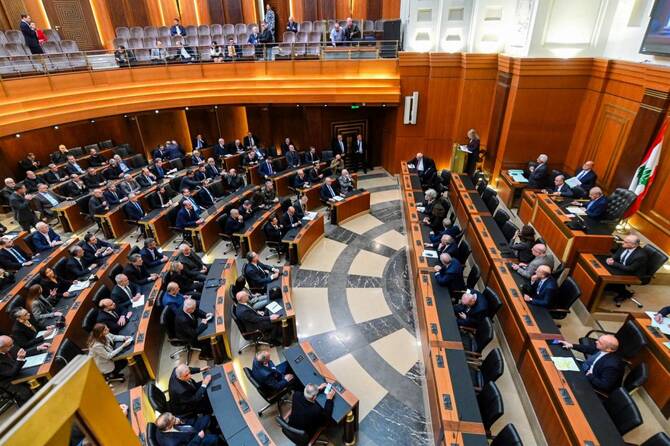
Lebanon’s Minister of Economy and Trade, Amer Bisat, embarked on a two-day visit to Damascus, Syria, to advance economic cooperation between the two nations. The visit, which spanned two days, centered on fostering a more strong Syrian-Lebanese rapprochement. Mr. Bisat's presence in the Syrian capital showed a significant push towards revitalizing bilateral relations. Discussions during the trip specifically focused on deepening the Syrian-Lebanese rapprochement through enhancing collaboration via two key institutional mechanisms: the Higher Ministerial Committee and the newly established Lebanese-Syrian Business Council. These initiatives aim to strengthen bilateral economic ties, facilitate joint ventures between Lebanon and Syria, and lay the groundwork for sustained economic partnership.
Reviving Bilateral Ties
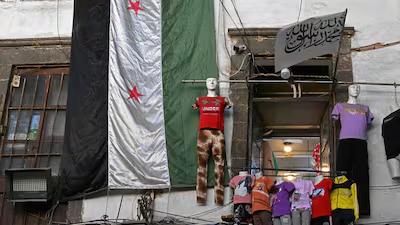
Lebanon and Syria announced the creation of a high-level committee in July to develop economic partnerships and security agreements. This initiative marked the first private-sector visit since the fall of the Assad regime in Syria. The visit by Minister Bisat represented a critical step in this renewed engagement. Syria's civil war concluded in 2024, paving the way for renewed economic focus and regional reintegration efforts. Syrian President Ahmad Al Shara showed the importance of this shift, stating, "the economy is more important than politics." This declaration noted a strategic pivot towards economic recovery and development as a cornerstone of national policy. Despite these collaborative efforts, tensions along the Syrian-Lebanese border escalated into violent clashes in 2025, indicating that while economic ties are strengthening, political and security challenges remain. The establishment of formal economic channels like the Business Council is seen as a way to build resilience and common interests, potentially mitigating future disputes.
Business Council's Role
Lebanon’s Minister of Economy and Trade, Amer Bisat, engaged in high-level discussions during his visit to Damascus, Syria, to solidify the economic framework between the two countries. During his two-day visit, Mr. Bisat held important meetings with Syrian President Ahmad Al Shara and Syrian Minister Nidal Al Shaar. These engagements were central to advancing the collaborative initiatives previously outlined, particularly regarding the newly established Lebanese-Syrian Business Council. The formation of the council aims to streamline trade operations, facilitate joint economic projects, and enhance investment opportunities across various sectors. Officials discussed mechanisms for improving cross-border logistics and implementing agreements that support mutual economic growth. The discussions also focused on identifying key areas where the business council can contribute to developing new partnerships and addressing existing trade barriers. Both sides emphasized the importance of private sector involvement in driving these economic advancements, recognizing that business-to-business connections are vital for sustainable growth. The creation of the business council is expected to provide a structured platform for businesses from Lebanon and Syria to explore commercial ventures, share expertise, and expand their market reach, thereby reinforcing the broader economic rapprochement between the two nations. This formalized structure is designed to provide stability and predictability for investors and traders looking to engage in cross-border activities.
Voices from the Summit
The launch of the Lebanese-Syrian Business Council was announced during the visit, marking a significant step in bilateral economic relations. This development follows the fall of former Syrian President Bashar Al Assad from power in 2024, an event that reshaped the geopolitical landscape of the region. With Western sanctions on Syria now lifted, international investor appetite has begun to revive, creating new opportunities for economic engagement. Syrian President Ahmad Al Shara emphasized the key role of financial collaboration, stating, "the importance of investment between the two countries to build a strong bilateral relationship." The President showed the necessity of strong economic ties for enduring partnership, noting that economic interdependence can serve as a foundation for broader stability. Syria's civil war, which began in 1976 and concluded recently, has left the country with immense reconstruction and development needs. The end of the conflict in 2024 has allowed for a renewed focus on economic recovery and regional integration efforts, with Lebanon playing a key role as a historical trading partner. The commitment to investment and trade through the newly formed Business Council is seen as essential for both nations to capitalize on the post-conflict environment and foster mutual prosperity.