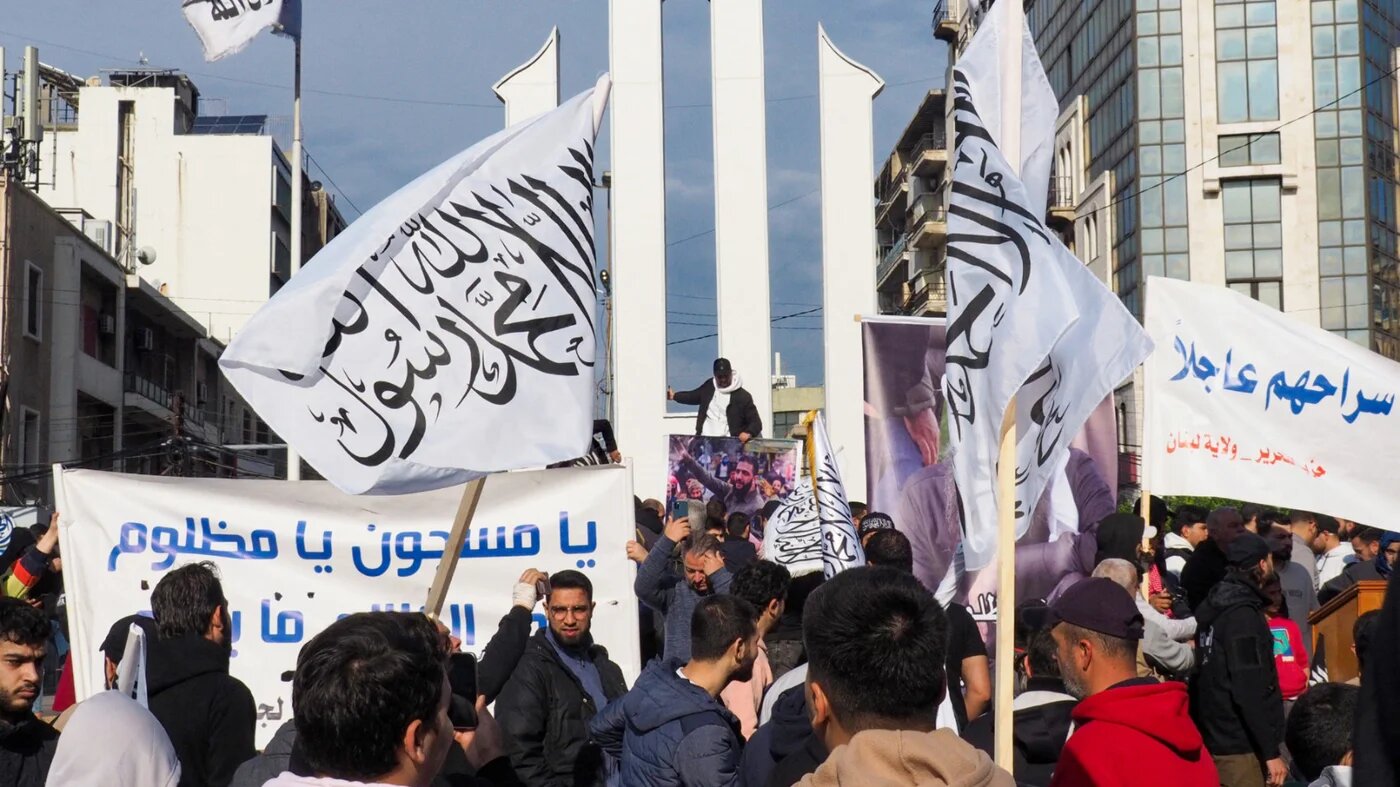
Over 600 prisoners concluded a 30-day hunger strike in Lebanese prisons on 13 October. The protest involved inmates held across various facilities in Lebanon, including those detained at Roumieh and in Tripoli. Youssef, Hamza, and Omar were among the participants who maintained the strike for the full month to demand changes to their conditions. Nizar Saghieh confirmed the end of the action after negotiations regarding the status of the detainees. The mobilization of the 600 individuals focused on grievances regarding legal processing times and systemic issues within the correctional system. Official reports indicate that the prisoners ceased their refusal of food following commitments to address specific concerns raised during the month-long period.
Crisis Within Overcrowded Facilities
At least seven hunger strikers died during the protest, with reports citing medical neglect or pre-existing illnesses as the primary causes. Roumieh prison currently operates at more than 300 percent of its official capacity, housing over 4,000 prisoners in facilities designed for only 1,000. Youssef, a Syrian detainee in Roumieh prison, noted, "People are exhausted, and every time a prisoner is transferred to hospital, tensions rise further. The general feeling is that our fate hangs in the balance, and no one knows how long this situation will last." Youssef added, "Like many prisoners here, we’ve spent years waiting for our cases to be resolved. So when the amnesty law was passed, we felt there was a real chance." Hamza, a resident of Tripoli, stated, "Our joy is incomplete, to be honest."
Controversial Amnesty Bill Details
The Lebanese parliament passed the general amnesty bill in August 2026, a move that initially raised hopes for resolution among the inmate population. Nizar Saghieh, a Lebanese lawyer and researcher, expressed concern regarding the scope of the legislation. "This law took the form of a self-amnesty, a blanket amnesty really, because it is unconditional, just like the general amnesty of the 90s," Saghieh stated.
Legal challenges followed the passage of the bill, leading the Lebanese constitutional council to review its provisions. On 12 October 2026, the constitutional council officially rejected an appeal lodged against the amnesty bill. While the council upheld the core legislative action, it mandated specific amendments to the clauses contained within the bill. These required revisions aim to adjust the legal framework established by the parliament, though the specific nature of the changes remains subject to ongoing administrative review.
Negotiations surrounding these mandated amendments and the broader status of detainees reached a critical point during the second week of October. The month-long hunger strike, which had mobilized inmates across various facilities, concluded on Monday, 12 October 2026. This cessation of the protest followed the announcement of the constitutional council’s decision and subsequent commitments to address the grievances of the detainees regarding their legal processing times. The participants, including Youssef, Hamza, and Omar, ended their refusal of food as authorities began to communicate the expected adjustments to the amnesty implementation process.