On Tuesday, July 21, President Donald Trump will welcome Lebanese President Joseph Aoun to the White House. The visit occurs as tensions between the United States and Iran have escalated, with both nations renewing attacks against each other. This heightened regional instability shows the urgency of the diplomatic discussions. President Aoun's discussions are expected to focus on the ongoing threat posed by Iran-backed Hezbollah and the situation in southern Lebanon. This includes addressing the persistent challenges to Lebanon's sovereignty and security. According to a statement from the Lebanese presidency, the talks will aim to strengthen the ceasefire and secure Israel's withdrawal from southern Lebanon, a long-standing objective for Beirut.
Historic White House Visit
The upcoming meeting will be the first visit by a Lebanese president to the White House in nearly 20 years, marking a significant moment in U.S.-Lebanese relations. President Joseph Aoun's presence in Washington signals a key engagement between the two nations, noting the importance of direct dialogue at the highest levels. During the discussions, President Aoun is also expected to press President Donald Trump on the issue of Israel's withdrawal from Lebanon. This diplomatic effort shows Lebanon's ongoing concerns regarding its southern border and its desire for full territorial integrity. The visit provides an opportunity for President Aoun to articulate Lebanon's position directly to the American administration, seeking U.S. Support for its security objectives.
Southern Lebanon Withdrawal Talks
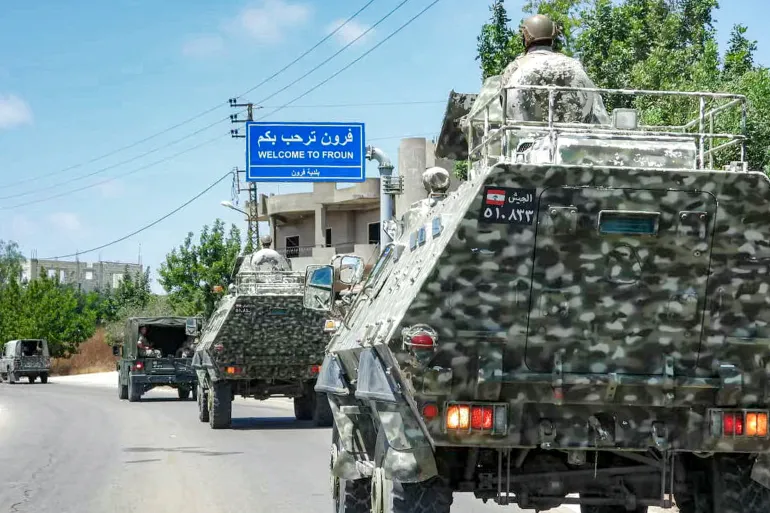
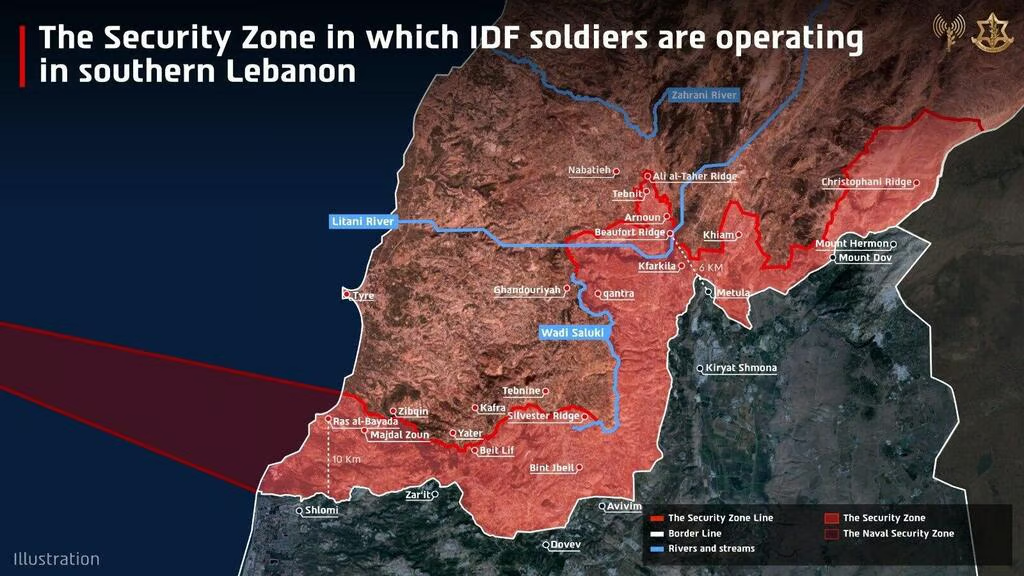
Recent U.S.-mediated talks between Lebanese and Israeli officials in Rome have resulted in agreements to establish 'pilot zones' in southern Lebanon. These zones are intended to facilitate the initial withdrawal of Israeli troops, with the Lebanese army subsequently assuming security responsibilities in those areas. This development marks a step in ongoing efforts to de-escalate tensions along the border and establish a more stable security environment. The implementation of these pilot zones is seen as a potential blueprint for a broader disengagement process, albeit one fraught with complexities.
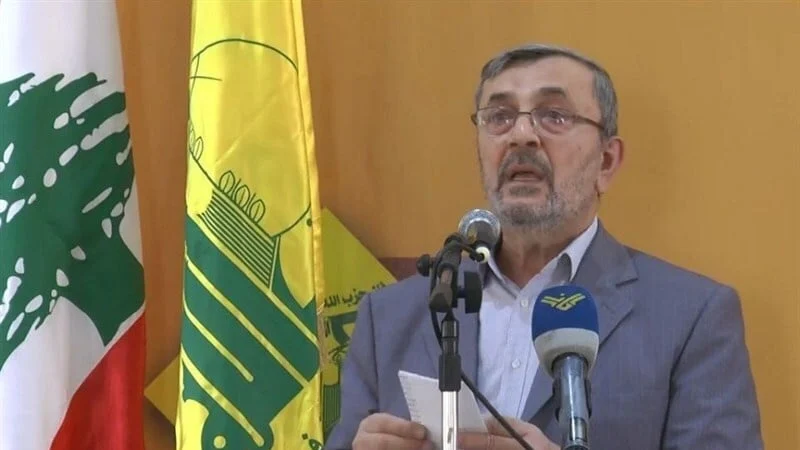
The agreement reached through these discussions does not, however, stipulate a firm deadline for Israeli forces to complete their withdrawal from Lebanese territory. Withdrawals are contingent upon Hezbollah and other armed groups disarming, a condition that Hezbollah has consistently rejected. This stipulation notes a persistent obstacle in achieving a full and lasting resolution to the conflict in the region, as it ties the withdrawal directly to the disarmament of a major non-state actor. The Lebanese government views the presence of Israeli forces as an occupation, while Israel cites security concerns related to armed groups.
Israeli forces continue to maintain a presence in parts of southern Lebanon and conduct periodic strikes as negotiations for a long-term settlement proceed. This ongoing military activity shows the fragile nature of the current situation and the complexities involved in reaching a full disengagement. The continued presence and actions by Israeli forces contribute to the instability and challenge the efforts to establish lasting peace and security in the border region.
Broader Security Goals
President Joseph Aoun's visit to Washington constitutes an element of a wider initiative aimed at restoring security and stability within Lebanon, alongside expanding the authority of the Lebanese state across its entire territory. This diplomatic engagement occurs amidst significant internal challenges and a pressing humanitarian crisis. The Ministry of Public Health in Lebanon reported that more than 4,000 Lebanese have been killed and over a million displaced since March. These staggering figures show the profound humanitarian impact of the ongoing instability and the pressing need for the security and stability efforts that President Aoun is advocating for during his discussions in the United States. The extension of state authority is key for effective governance and the provision of essential services to all Lebanese citizens, particularly in areas currently outside full governmental control.